
 EN
EN



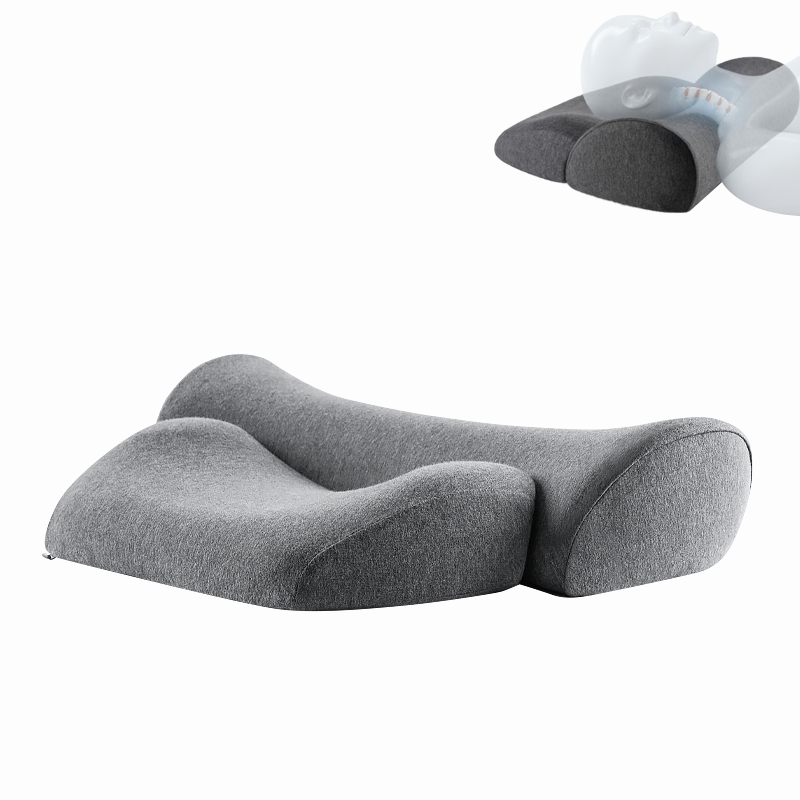
Launching a new sleep or comfort brand is an exciting milestone, but the financial reality of tooling, sampling, and minimum order commitments can quickly erode early-stage budgets. One of the smartest strategic decisions a new brand can make is to leverage memory foam OEM services that operate on a generic mould basis, eliminating the heavy upfront investment traditionally associated with custom tooling. When you remove the mould cost barrier, you free up capital for marketing, packaging, and brand building — the areas that actually drive consumer recognition and long-term growth.
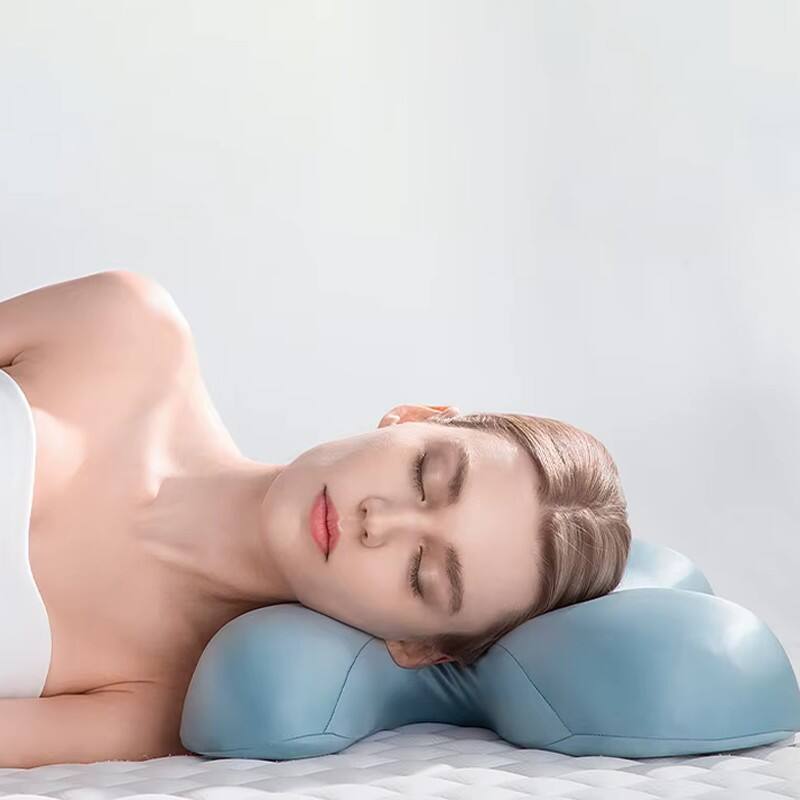
Generic mould memory foam OEM is not a compromise — it is a deliberate and commercially savvy pathway that thousands of successful brands have used to enter the market quickly, test product-market fit, and scale without burning runway. Understanding exactly how this model works, when it is the right fit, and how to extract maximum brand value from it is essential knowledge for any entrepreneur or product manager considering a foam-based product line. This article walks through the full picture, from cost logic to quality expectations to long-term brand strategy.
Understanding the Mould Cost Problem in Foam Product Development
Why Custom Moulds Are a Major Budget Obstacle
Traditional product development for memory foam items — whether pillows, seat cushions, mattress toppers, or ergonomic supports — often involves commissioning custom-shaped moulds. These moulds are precision-engineered steel or aluminium tools used in the foam cutting, pressing, or contouring process. The cost of developing a single custom mould can range from several thousand to tens of thousands of dollars depending on complexity, size, and the number of cavities required.
For an established brand with proven sales volume and a loyal customer base, spreading that mould investment across hundreds of thousands of units makes financial sense. For a new brand with no sales history and limited working capital, the same investment represents a serious and potentially brand-killing risk. If the product does not resonate with the market, that tooling cost is completely unrecoverable, making the entire launch far more fragile than it needs to be.
This is the core reason why memory foam OEM using generic moulds has become so popular among emerging brands. It decouples product launch risk from manufacturing infrastructure, allowing founders to test ideas without betting the company on a single tooling decision. The logic is sound, and the results across the industry speak for themselves.
The Hidden Costs Beyond the Mould Itself
Beyond the mould fee itself, custom tooling introduces additional costs that new brands often fail to anticipate. Sampling rounds to validate the mould geometry, lead time delays during mould revisions, storage and maintenance fees for keeping the mould at the factory, and higher minimum order quantities tied to cost recovery all compound the financial pressure. When you add these indirect costs together, custom tooling can add 30 to 50 percent more cost to the product development phase than brands initially budget for.
Generic mould memory foam OEM eliminates most of these hidden costs entirely. The manufacturer already owns and maintains the moulds. Sampling is faster because the tooling is proven and available immediately. Minimum order quantities tend to be lower because the manufacturer can blend orders from multiple clients using the same mould. The entire operational overhead of custom tooling simply disappears from the new brand's cost structure.
Understanding this full cost picture is critical for new brands doing financial modelling. The savings from choosing a memory foam OEM partner with existing generic mould infrastructure are not just visible on the per-unit cost line — they cascade across the entire launch budget, improving cash flow and reducing time to first revenue.
How Generic Mould Memory Foam OEM Actually Works
The Shared Infrastructure Model
A generic mould memory foam OEM supplier maintains a library of standardized mould shapes, sizes, and contour profiles that have been developed and proven over years of production. These are not low-quality afterthoughts — they are refined, market-tested shapes that reflect consumer preferences across common product categories such as cervical pillows, lumbar supports, seat pads, and mattress toppers. Because these moulds are shared across multiple client brands, the development cost is fully amortized, and no single brand bears the tooling burden.
When a new brand engages with a memory foam OEM partner on a generic mould basis, they select from the available shape library, specify their foam formulation requirements such as density, ILD (Indentation Load Deflection), and cell structure, and then customize the surface experience through fabric covers, branding embroidery, packaging, and labeling. The structural form comes from the shared mould; the brand identity is layered on top through all the touchpoints the consumer actually sees and feels.
This model is remarkably effective because most consumer purchasing decisions about comfort products are not made on shape geometry alone. Consumers respond to brand story, packaging quality, fabric texture, certifications, and how the product is positioned in the market. Generic mould memory foam OEM allows new brands to invest in all of those differentiating elements rather than sinking capital into tooling that consumers will never see or care about.
Foam Specification Flexibility Within Generic Shapes
One of the most important points for new brands to understand is that 'generic mould' does not mean 'generic product.' Within a standard shape, there is extensive room for product customization through foam formulation. Memory foam OEM manufacturers can produce the same physical shape in multiple densities, firmness levels, temperature-response profiles, and even specialty formulations such as gel-infused, graphite-infused, or open-cell structures. Each of these choices meaningfully changes the product's performance characteristics and market positioning.
A brand targeting premium wellness consumers might specify a high-density, slow-response memory foam in a standard cervical pillow shape, paired with a premium bamboo-charcoal cover. Another brand targeting budget-conscious shoppers might use a lighter density formulation in the exact same mould with a basic polyester cover. From the consumer's perspective, these are entirely different products with different performance promises, price points, and brand personalities — even though both used generic mould memory foam OEM production.
This flexibility means that new brands can build genuine product differentiation without custom tooling. The differentiation comes from the foam science, the materials selection, the certifications pursued, and the brand narrative — not from a proprietary mould shape. For most consumer foam categories, this level of differentiation is more than sufficient to compete effectively in the market.
Brand Value Creation in a Generic Mould OEM Strategy
Where Real Brand Differentiation Lives
New brands sometimes worry that using generic mould memory foam OEM will make their products look or feel the same as competitors. This concern, while understandable, reflects a misunderstanding of where brand value is actually created in the consumer foam market. Research consistently shows that consumers are unable to reliably distinguish between custom and generic mould shapes in use. What they do notice — and what drives repurchase, reviews, and word of mouth — is product performance, packaging experience, and brand communication.
Investing the savings from generic mould memory foam OEM into premium packaging design, high-quality fabric selection, third-party certifications such as CertiPUR-US or OEKO-TEX, and strong storytelling creates far more brand equity than a proprietary mould shape ever could. A beautifully packaged product with clear certifications, a compelling origin story, and excellent customer service will consistently outperform a custom-moulded product with weak branding in the eyes of today's consumers.
This insight should liberate new brands to allocate their limited resources more strategically. Every dollar saved on tooling through a smart memory foam OEM partnership is a dollar that can be redirected toward the brand elements that consumers actually value and remember.
Packaging and Private Label Opportunities
The most immediate brand-building opportunity in a generic mould memory foam OEM relationship is private label packaging. Even when the underlying foam product uses a standard mould shape, the packaging around it can be entirely brand-specific — from box design and color palette to inserts, care instructions, and certification callouts. A well-designed packaging system can make a memory foam pillow feel like a premium lifestyle product rather than a commodity item, regardless of how the foam was shaped.
Many memory foam OEM suppliers offer additional private label services including custom fabric cover printing, woven label production, heat transfer branding on the foam itself, and co-designed carry bags. These touchpoints collectively create a brand experience that feels cohesive, intentional, and premium. New brands that invest thoughtfully in these elements find that customers often assume far more proprietary development went into the product than actually did — which is exactly the outcome a smart brand strategy should produce.
The combination of generic mould cost savings and strong private label execution is perhaps the most underrated competitive advantage available to new brands in the foam products market. It is not about cutting corners — it is about cutting costs in the right places while investing in the brand dimensions that generate real consumer loyalty.
Evaluating a Memory Foam OEM Partner for Generic Mould Production
Key Criteria for Supplier Selection
Not all memory foam OEM suppliers are equally equipped to serve new brands using a generic mould strategy. The quality of the mould library, the range of foam formulations available, the supplier's experience with private label packaging, and their ability to handle smaller initial order quantities are all critical evaluation factors. A supplier with a deep generic mould catalogue and flexible foam specification options gives a new brand more room to create a differentiated product without custom tooling.
Certifications and compliance documentation are equally important, particularly for brands entering markets with strong consumer safety expectations such as North America, Europe, or Australia. A memory foam OEM partner that can provide CertiPUR-US certified foam, OEKO-TEX certified fabrics, and comprehensive test reports removes a major compliance burden from the new brand and adds credible third-party validation to the product story. These credentials are not just regulatory checkboxes — they are powerful marketing assets.
Communication capability and project management experience also matter significantly. A supplier who has worked with many new brands on generic mould memory foam OEM production understands the questions, uncertainties, and iteration cycles that early-stage brands go through. Their ability to provide clear guidance on foam selection, help with packaging specification, and manage production timelines reliably is just as valuable as their technical foam expertise.
Understanding Lead Times and MOQ Structures
One of the practical advantages of generic mould memory foam OEM is faster lead times. Because no new tooling needs to be created or validated, production can begin as soon as foam formulation and packaging specifications are confirmed. A typical custom mould development cycle might add four to twelve weeks to a project timeline; generic mould production eliminates this entirely, compressing the path from concept to first shipment significantly.
Minimum order quantities in generic mould memory foam OEM are typically lower than custom tooling scenarios for the same reason. The manufacturer does not need to amortize a tooling investment across a minimum volume threshold, so they have more flexibility in accepting smaller initial orders. This is particularly valuable for new brands doing test market launches, entering new sales channels, or managing cash flow carefully during the early growth phase.
Understanding the MOQ structure in detail during supplier evaluation is important because different suppliers structure their minimums differently — some by unit count, some by container volume, some by foam raw material purchase weight. Clarifying these terms upfront ensures that the financial model built around the memory foam OEM partnership is accurate and that there are no unpleasant surprises when the first purchase order is placed.
Long-Term Brand Strategy Using Generic Mould OEM as a Foundation
Building Toward Custom Development Over Time
Choosing generic mould memory foam OEM does not mean forfeiting the option of custom product development forever. It means making a smart sequencing decision — validating the market, building brand equity, and generating revenue with a low-risk launch strategy before committing capital to proprietary tooling. Many successful brands use generic mould OEM production for their first one or two product lines, then invest in custom mould development for a hero product once they have the sales data and cash flow to justify it.
This sequencing approach de-risks the entire brand journey. By the time a brand is ready to invest in custom tooling, they know their customer, understand their sales velocity, have established their supplier relationships, and can make a far more informed design decision. The custom mould becomes a strategic investment rather than a speculative bet, and the probability of it paying off is dramatically higher than it would have been at launch.
Memory foam OEM partners who understand this brand development journey are invaluable long-term allies. The best suppliers will grow with a brand — supporting generic mould production in the early stages and transitioning to custom development when the brand is ready — rather than pushing premature custom tooling investments that serve the supplier's interests more than the brand's.
Scaling and Expanding the Product Line
Once a new brand has found its footing with a core memory foam OEM product, the generic mould model makes it easy to expand the product line quickly and cost-effectively. Adding a new SKU using an existing generic mould shape requires no tooling investment — just new foam specifications, new fabric, and updated packaging. This means a brand can go from a single pillow SKU to a three or four product sleep line in a matter of weeks, dramatically increasing the brand's presence and average order value without major capital expenditure.
Product line expansion is one of the fastest ways to grow revenue on an established customer base, and generic mould memory foam OEM makes this strategy exceptionally accessible. Brands that plan their product roadmap with this capability in mind can build out a compelling, cohesive sleep or wellness product ecosystem in a fraction of the time and cost it would take through traditional custom development routes.
The strategic implication is clear: generic mould memory foam OEM is not just a cost-saving tactic for launch — it is a scalable growth infrastructure that can serve a brand's needs through multiple phases of development. Brands that understand and leverage this fully are consistently better positioned than those who default to custom tooling at every stage out of habit or misplaced assumptions about what consumers value.
FAQ
Is generic mould memory foam OEM only suitable for very small brands?
Not at all. While new and early-stage brands benefit most visibly from the cost savings of generic mould memory foam OEM, mid-sized and even large brands use this model regularly for secondary product lines, seasonal launches, retail channel exclusives, and test market introductions. The cost efficiency and speed advantages apply regardless of brand size, and many experienced brand managers prefer to default to generic mould production wherever possible, reserving custom tooling only for truly differentiated hero products.
Can I still achieve a premium brand image using generic mould production?
Yes, absolutely. Premium brand image comes from packaging quality, material selection, certifications, storytelling, and customer experience — not from proprietary mould shapes. Many brands that are perceived as premium by consumers rely entirely on memory foam OEM generic mould production. The investment in brand presentation and product quality specifications is what creates the premium perception, and these are areas where new brands have full control regardless of the mould strategy chosen.
How do I protect my product specifications from being copied by competitors using the same moulds?
Your proprietary advantage in a generic mould memory foam OEM strategy lies in your foam formulation specifications, your private label presentation, your certifications, and your brand positioning — not in the physical shape. Suppliers can be asked to sign NDAs covering your specific formulation details and packaging designs. Additionally, the combination of your exact foam spec, fabric choice, certification stack, and brand narrative is unique even if the mould shape is shared — making direct copying far more difficult than it might initially appear.
What categories are most commonly available through generic mould memory foam OEM suppliers?
The most common product categories available through generic mould memory foam OEM programmes include cervical and contour pillows, lumbar support cushions, seat pads, wedge cushions, travel pillows, mattress toppers, and knee spacer pillows. Most established memory foam OEM suppliers maintain extensive mould libraries covering these categories in multiple size and profile variations, giving new brands a wide range of entry points without any tooling investment required.
Table of Contents
- Understanding the Mould Cost Problem in Foam Product Development
- How Generic Mould Memory Foam OEM Actually Works
- Brand Value Creation in a Generic Mould OEM Strategy
- Evaluating a Memory Foam OEM Partner for Generic Mould Production
- Long-Term Brand Strategy Using Generic Mould OEM as a Foundation
-
FAQ
- Is generic mould memory foam OEM only suitable for very small brands?
- Can I still achieve a premium brand image using generic mould production?
- How do I protect my product specifications from being copied by competitors using the same moulds?
- What categories are most commonly available through generic mould memory foam OEM suppliers?