
 EN
EN



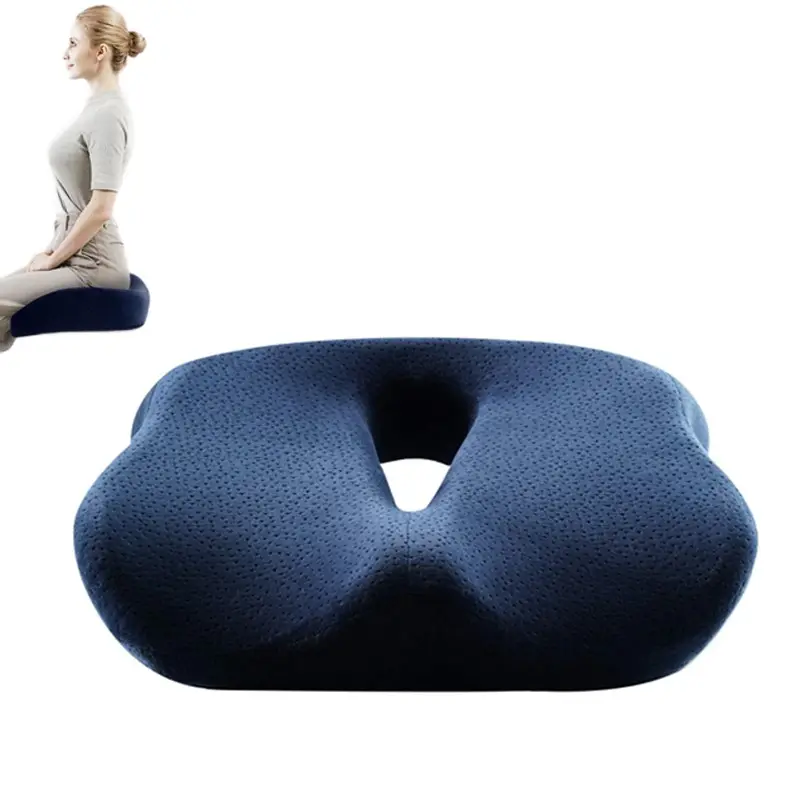
In markets where temperatures stay high for most of the year, comfort products that actively combat heat have become essential commodities rather than luxury add-ons. gel cooling cushions have emerged as one of the fastest-growing product categories across Southeast Asia, the Middle East, South Asia, and other tropical regions where both consumers and businesses are actively seeking relief from relentless heat. For importers, distributors, and retail buyers operating in these climates, understanding how to source the right product is just as important as understanding why demand exists in the first place.
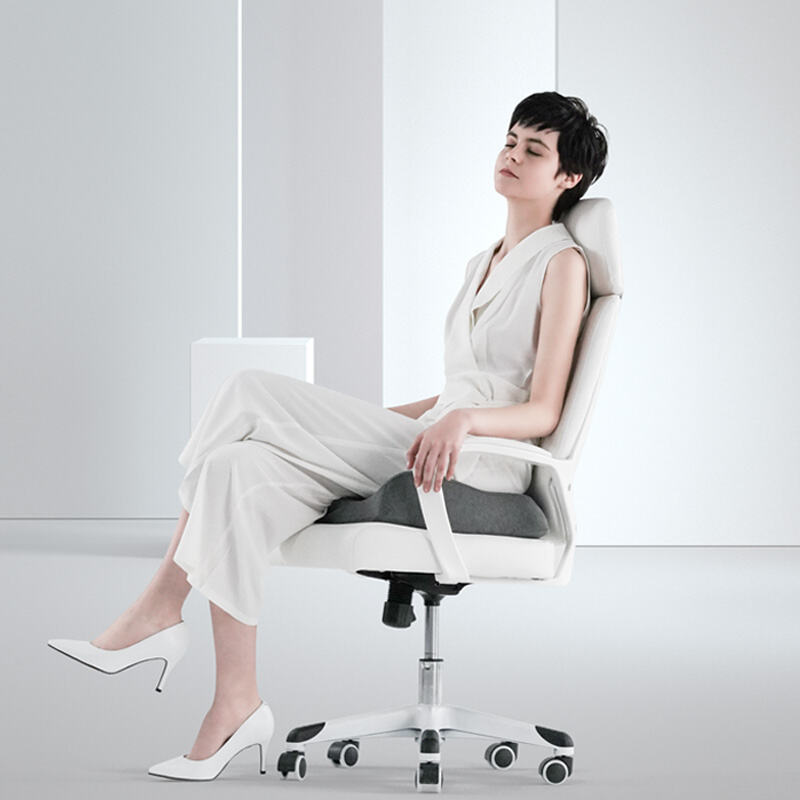
This article is written specifically for B2B buyers who want to capitalize on the strong, climate-driven demand for gel cooling cushions in tropical areas. From evaluating product construction to negotiating with factories and managing quality expectations, this guide covers the sourcing considerations that matter most when your end customers live and work in persistently hot environments. Whether you are placing your first bulk order or looking to upgrade your existing product line, these insights will help you make smarter procurement decisions.
Why Gel Cooling Cushions Sell Exceptionally Well in Tropical Markets
The Climate-Comfort Connection
Tropical climates are defined by sustained high temperatures and significant humidity, conditions that make sitting for extended periods genuinely uncomfortable. Chairs made from standard foam or fabric trap body heat rapidly, turning desk work, commuting, or driving into an exhausting physical experience. Gel cooling cushions are designed to address exactly this problem by absorbing and dispersing heat away from the body, providing a noticeable reduction in surface temperature that users in hot regions find immediately impactful.
The demand is not seasonal in the way it might be in temperate countries. In tropical areas, the need for gel cooling cushions persists throughout the year, which means steady, predictable sales cycles for distributors and retailers. This is a compelling advantage from a sourcing and inventory planning perspective, as it reduces the risk associated with seasonally volatile products.
For B2B buyers, this climate-driven demand translates into a reliable revenue stream. Offices, transportation hubs, healthcare facilities, and home furnishing retailers in tropical regions all represent viable sales channels. Understanding this broad applicability helps buyers make the case for larger purchase volumes and better supplier pricing.
Shifting Consumer Expectations in Hot Regions
Consumers in tropical markets are increasingly informed about ergonomic and comfort products. Rising middle-class populations across Southeast Asia and the Gulf region have created a buyer segment that is willing to invest in quality seating accessories. Gel cooling cushions fit neatly into this trend, offering a tangible functional benefit at a price point accessible to a wide demographic range.
Social media and e-commerce have also accelerated awareness of gel cooling cushions in these markets. Product reviews highlighting instant cooling sensations, improved focus during desk work, and relief during long commutes resonate powerfully with tropical-region consumers. For sourcing professionals, this means that the marketing narrative largely writes itself, provided the product quality is strong enough to match the promise.
Key Product Specifications to Evaluate When Sourcing Gel Cooling Cushions
Gel Layer Type and Cooling Technology
Not all gel cooling cushions use the same underlying technology, and understanding the differences is critical for sourcing the right product for your target market. The two primary formats are pure gel pads, which consist entirely of a flexible gel polymer, and gel-infused foam hybrids, which combine memory foam or other foam bases with a gel layer on top or throughout. Each format has different performance profiles, cost structures, and consumer appeal.
Pure gel pads tend to offer more immediate and intense cooling sensations, making them popular for short-duration use such as commuting or gaming. However, they can feel firmer and less cushioned than foam-based alternatives. Gel-infused foam hybrids, on the other hand, provide a balance of comfort and temperature regulation, making them well-suited for extended desk work or office use, which is particularly relevant in tropical business environments where long working hours are common.
When evaluating suppliers, request material data sheets and ask specifically about the gel compound used. Phase-change materials and open-cell gel structures both claim superior cooling, but actual performance varies significantly between manufacturers. Requesting third-party test reports or commissioning your own testing is a worthwhile investment before committing to large orders of gel cooling cushions.
Cover Fabric and Breathability Standards
The cover fabric of gel cooling cushions plays a significant supporting role in overall thermal performance. In tropical climates, covers made from mesh fabric, bamboo-derived textiles, or moisture-wicking synthetic blends dramatically improve the user experience compared to standard polyester covers. A gel insert covered with a poorly breathable fabric will underperform expectations, leading to returns and negative reviews.
When sourcing gel cooling cushions for tropical markets, insist on seeing fabric breathability data or at minimum request physical samples for in-market testing. Covers should also be removable and machine washable, as humidity accelerates the accumulation of moisture and odor, making hygiene maintenance a priority for end consumers in hot regions.
Anti-slip base materials are another specification worth scrutinizing. In humid environments, chair surfaces can become slightly damp, and a cushion that slides frequently is a significant usability complaint. Silicone-dotted or rubberized base layers help gel cooling cushions stay securely in place, adding a functional detail that can become a meaningful differentiator in your product marketing.
Ergonomic Design Compatibility
Modern buyers of gel cooling cushions increasingly expect ergonomic features to accompany the cooling function. Contoured seat shapes that provide coccyx pressure relief, lateral support ridges, or dual-zone density construction all add perceived value. In B2B contexts such as corporate office supply procurement or healthcare facility purchasing, ergonomic certification or endorsement can become a decisive factor.
As a sourcing professional, evaluate whether the gel cooling cushions in your consideration set are designed with ergonomic principles or simply flat gel pads repurposed as seat covers. Products that combine genuine cooling performance with ergonomic design tend to command higher retail margins and attract more loyal repeat customers.
Supplier Qualification Criteria for Tropical Market Success
Factory Audit and Compliance Requirements
When sourcing gel cooling cushions for distribution in tropical regions, supplier qualification should go beyond price comparison. Evaluate whether the factory operates under a recognized quality management system and whether they have experience producing products destined for humid or high-temperature end-use environments. Factories that regularly supply to Southeast Asian or Middle Eastern markets will generally have more relevant packaging, labeling, and testing experience than those focused primarily on temperate-region customers.
Request documentation on chemical safety compliance, particularly for the gel compounds used. Regulatory standards vary by market, but ensuring that gel cooling cushions meet major certifications such as REACH or OEKO-TEX reduces the risk of import issues or consumer safety complaints in your target countries. Suppliers who proactively offer compliance documentation are generally more reliable long-term partners.
Factory audits, whether conducted in person or through a third-party inspection service, provide visibility into production capacity, quality control protocols, and workplace standards. For buyers placing large or recurring orders of gel cooling cushions, this level of due diligence protects both product quality and supply chain reliability.
Minimum Order Quantities and Customization Flexibility
Tropical-market distributors often operate across multiple product categories, which means managing cash flow carefully. Suppliers who offer tiered minimum order quantities for gel cooling cushions allow buyers to test new SKUs without overcommitting inventory. This flexibility is particularly valuable when introducing a new variant, such as a seat cushion designed specifically for motorbike commuting, which is highly relevant in markets like Vietnam, Indonesia, and the Philippines.
Customization options including private labeling, logo embroidery on covers, custom colorways, and region-specific packaging are also worth discussing with potential suppliers. The ability to differentiate your gel cooling cushions from generic imports strengthens your brand position in competitive tropical retail markets. Suppliers with dedicated OEM or ODM capabilities will typically be better positioned to support this level of product development.
Packaging, Logistics, and Quality Control for Tropical Climates
Packaging Design for Humid Environments
Standard packaging designed for temperate climates can fail in tropical conditions. Cardboard boxes absorb moisture quickly in high-humidity environments, leading to crushed or damaged product presentations by the time they reach end consumers. When sourcing gel cooling cushions for tropical distribution, specify moisture-resistant inner packaging, such as sealed poly bags or vacuum-compressed options, and request that outer cartons use reinforced corrugated board with humidity-resistant coatings.
Retail-ready packaging that communicates the cooling benefit visually is also important in markets where consumers may not be familiar with gel cooling cushions. High-quality packaging photography, clear feature callouts in local languages, and a packaging format that allows shelf display without additional retail investment all contribute to sell-through velocity at the point of sale.
Pre-Shipment Inspection and In-Market Quality Expectations
Pre-shipment inspections are a non-negotiable part of responsible sourcing for gel cooling cushions, especially for buyers working with a new factory or launching a new product variant. Inspection checklists should include dimensional checks, gel integrity tests, cover quality assessments, and packaging condition verification. Any defect rate above 1.5% AQL should trigger renegotiation or re-inspection before shipment approval.
In tropical markets specifically, gel cooling cushions may be subjected to storage conditions significantly more extreme than their designed use environment. Warehouses without climate control can expose products to temperatures and humidity levels that degrade adhesives, warp gel shapes, or compromise cover fabrics over time. When discussing storage and shelf life with suppliers, request performance data that reflects these real-world tropical storage conditions rather than standardized laboratory results only.
Establishing a clear warranty and return policy framework with your supplier before the first shipment protects your business when field quality issues arise. Gel cooling cushions that perform as expected in factory conditions but disappoint in tropical retail settings are a sourcing failure that can be anticipated and mitigated with the right contractual and testing frameworks in place.
FAQ
What makes gel cooling cushions different from regular memory foam cushions?
Gel cooling cushions are specifically engineered to manage heat, using gel compounds that absorb body heat and either disperse it through phase-change technology or channel it away through open-cell structures. Regular memory foam cushions provide pressure relief and contouring but do not have active cooling mechanisms. In tropical climates, this thermal management function is the primary reason buyers choose gel cooling cushions over standard foam alternatives.
Are gel cooling cushions suitable for outdoor use in tropical regions?
Gel cooling cushions can be used in outdoor settings, but product selection matters significantly. Models with UV-resistant cover fabrics, sealed gel chambers, and waterproof or water-resistant bases are better suited to outdoor environments. For buyers targeting outdoor hospitality, transportation, or recreational markets in tropical areas, requesting specifically outdoor-rated variants from suppliers is advisable.
How should I evaluate a new supplier of gel cooling cushions before placing a bulk order?
Start by requesting physical samples and commissioning independent cooling performance tests. Verify chemical compliance documentation, check production capacity against your volume requirements, and if possible conduct or commission a factory audit. Review supplier references from other tropical-market buyers if available. A small trial order with a formal pre-shipment inspection is a standard practice before committing to full-volume purchasing of gel cooling cushions.
What customization options are typically available when sourcing gel cooling cushions for private label distribution?
Most OEM-capable factories can accommodate private label branding on covers, custom colorways, regional language packaging, logo embroidery, and shape modifications. Some suppliers also offer proprietary gel formulations for buyers committing to sufficient volumes. When negotiating gel cooling cushions customization, be specific about your requirements and request sample approvals at each stage of development to avoid costly errors in full production runs.
Table of Contents
- Why Gel Cooling Cushions Sell Exceptionally Well in Tropical Markets
- Key Product Specifications to Evaluate When Sourcing Gel Cooling Cushions
- Supplier Qualification Criteria for Tropical Market Success
- Packaging, Logistics, and Quality Control for Tropical Climates
-
FAQ
- What makes gel cooling cushions different from regular memory foam cushions?
- Are gel cooling cushions suitable for outdoor use in tropical regions?
- How should I evaluate a new supplier of gel cooling cushions before placing a bulk order?
- What customization options are typically available when sourcing gel cooling cushions for private label distribution?