
 EN
EN



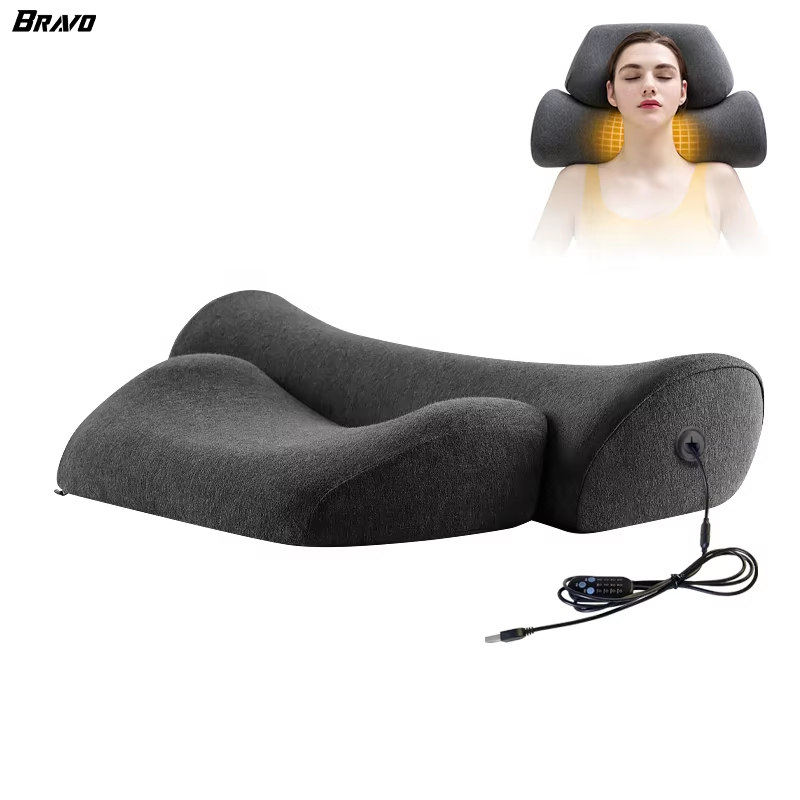
The global business travel accessories market has experienced steady expansion over the past decade, driven by rising international mobility and a growing demand for comfort solutions during long-haul flights and transit periods. Among the most commercially viable categories within this space, the U pillow has emerged as a standout item — compact, functional, and universally recognized by frequent travelers. As overseas distribution channels become more competitive and buyers grow more discerning, understanding the entry points for getting a U pillow into foreign markets is essential for manufacturers, wholesalers, and B2B sourcing teams alike.
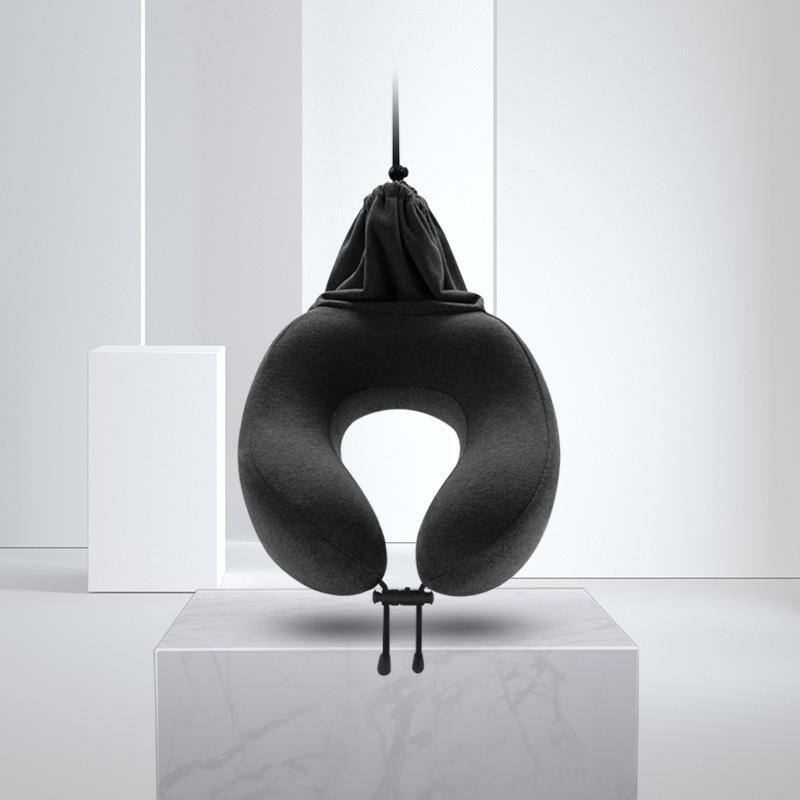
This article explores the practical and strategic entry points that define how a U pillow moves from production into overseas distribution networks. Whether you are a brand looking to break into new retail territories or a distributor evaluating new product lines, the insights below are designed to give you a clear, actionable picture of what the path to international market placement looks like for this high-demand travel accessory.
Understanding the Market Position of the U Pillow in Business Travel
Why the U Pillow Has Become a Travel Staple
The U pillow occupies a unique position in the travel goods category because it addresses a very specific and universal discomfort: neck fatigue during extended seated travel. Business travelers, in particular, value ergonomic support during flights, trains, and long car journeys, making the U pillow a staple in carry-on bags across industries and demographics. This broad appeal is part of what makes the product so attractive for overseas distribution — demand is not localized to a single culture or region.
The shift toward memory foam constructions has further elevated the U pillow from a basic travel accessory to a considered purchase. Travelers are now willing to invest in higher-quality versions that offer genuine cervical support, adjustable loft, and packable designs. This premiumization trend opens doors for distributors to position the product across multiple price tiers — from budget-friendly impulse buys at airport retail to premium offerings in specialty wellness shops.
From a B2B perspective, the U pillow's consistent sales velocity across seasons makes it a reliable SKU for inventory planning. Unlike many travel gadgets that spike and fade, the demand for neck support during travel remains steady, which lowers the distribution risk for first-time overseas entrants dealing with this category.
Target Buyer Profiles in International Markets
Identifying the right buyer profile is the first real entry point when planning overseas distribution of a U pillow. In international markets, buyers fall into several distinct categories: airport and duty-free retailers, online marketplace operators, corporate gifting procurement managers, hospitality supply companies, and specialty travel accessory boutiques. Each of these buyer types has different sourcing criteria, margin expectations, and volume requirements.
Corporate gifting has become a particularly strong channel in markets such as North America, Western Europe, and parts of Southeast Asia. Companies looking to provide branded travel kits for business-class employees or conference attendees frequently include a U pillow as part of the package. This creates bulk order opportunities that are highly profitable for distributors who can offer customization services such as private labeling or branded packaging.
Hospitality procurement teams — particularly those servicing airlines, cruise lines, and premium hotel chains — represent another high-volume buyer segment. These buyers prioritize consistency in quality, regulatory compliance, and the ability to scale orders. A U pillow that meets these requirements, such as the U pillow with adjustable ergonomic memory foam construction, is well-positioned to win procurement contracts in this category.
Key Entry Channels for U Pillow Overseas Distribution
E-Commerce Platforms as a Primary Distribution Gateway
Cross-border e-commerce has fundamentally changed the landscape for overseas distribution of travel goods, and the U pillow has benefited enormously from this shift. Platforms that facilitate direct-to-consumer or direct-to-retail fulfillment allow manufacturers and distributors to test international markets without the capital commitment of establishing physical distribution infrastructure. This is often the first entry point for brands new to overseas expansion.
Marketplace-based distribution enables rapid market feedback. By listing a U pillow across multiple regional platforms simultaneously, a supplier can quickly identify which markets show the strongest organic demand, which price points generate the best conversion rates, and which product variations resonate with specific demographics. This data-driven approach to market entry reduces the guesswork traditionally associated with overseas expansion.
For B2B-oriented distribution, wholesale e-commerce portals and sourcing platforms also serve as effective entry channels. Buyers in markets such as the UK, Germany, Australia, and the UAE actively use these platforms to discover new travel accessory suppliers. A well-optimized product listing for a U pillow on these channels can generate inbound distributor inquiries without the need for expensive trade show participation.
Physical Retail and Airport Concession Partnerships
Despite the dominance of digital channels, physical retail remains a critical entry point for the U pillow in many overseas markets. Airport concessions, in particular, represent a high-value channel because they capture travelers at the exact moment they recognize the need for neck support. A U pillow placed in an airport shop in a major international hub can generate substantial impulse sales volume, especially during peak travel seasons.
Entering airport retail typically requires working through a concession management company or a regional distributor that already holds the retail relationship. This means the entry strategy for this channel is less about direct outreach to the airport and more about identifying and partnering with the right intermediary. For overseas distributors, securing an airport concession placement for a U pillow product line can serve as a powerful proof-of-concept that opens doors to broader retail accounts.
Specialty travel goods retailers, pharmacies with travel sections, and department store travel accessory departments are also viable physical entry points. These retailers look for products with strong packaging presentation, reliable stock availability, and competitive wholesale pricing — all factors that should be addressed upfront in the distribution strategy for any U pillow entering a new market.
Product Adaptation and Compliance as Market Entry Enablers
Adjusting the U Pillow Offer to Match Regional Preferences
One of the most overlooked aspects of overseas distribution is the degree to which product presentation and specification must be adapted to local market preferences. A U pillow that performs strongly in one market may require adjustments in fill material, cover fabric, color palette, or packaging format to achieve similar traction elsewhere. Understanding these regional nuances is a genuine entry point — or barrier — depending on how well the supplier is prepared.
In markets with strong environmental awareness, such as Scandinavia and the Netherlands, buyers and consumers increasingly favor travel accessories that use certified sustainable materials. Offering a U pillow with OEKO-TEX certified fabric or recycled fill can be a meaningful differentiator in these markets. Conversely, in markets where value positioning is paramount, a more streamlined product offering at a competitive price point may outperform a premium SKU with additional certifications.
Packaging localization is another important dimension. Retail packaging for a U pillow entering a new market should include product descriptions and care instructions in the local language, use locally relevant imagery, and conform to standard shelf dimensions used by the target retail partners. These details, while seemingly minor, directly affect whether buyers will commit to listing the product in their stores.
Navigating Compliance Requirements for Travel Accessories
Regulatory compliance is a non-negotiable entry requirement for any U pillow entering overseas distribution at scale. Different markets impose different standards for textile safety, chemical content, and product labeling. The European Union's REACH regulation, for instance, restricts the use of certain chemical substances in textile products, which directly affects fill materials and cover fabrics used in a U pillow. Failure to comply can result in customs delays, product recalls, or distribution partner penalties.
In the United States, the Federal Trade Commission's labeling requirements for textile products require clear disclosure of fiber content, country of origin, and manufacturer identity on any product sold to consumers. A U pillow entering the US market must carry accurate and compliant labels before it can be distributed through retail or direct channels. Working with a compliance consultant or a sourcing partner experienced in cross-border textile trade can significantly reduce the time and cost of clearing these requirements.
Beyond textile regulations, some markets require specific safety testing certifications for products intended to be used near the head and neck — particularly if the U pillow is marketed with therapeutic or ergonomic health claims. Ensuring that test reports from accredited laboratories are available and up to date is a practical prerequisite before approaching retail buyers or hospitality procurement teams in regulated markets.
Distribution Partnership Models That Accelerate Market Entry
Working With Regional Importers and Wholesale Distributors
For most manufacturers seeking to place a U pillow into overseas retail without building their own local infrastructure, partnering with a regional importer or wholesale distributor is the most practical and scalable entry model. These partners bring existing buyer relationships, local logistics networks, warehousing capacity, and market intelligence that would take years to build independently.
Identifying the right distribution partner requires a structured evaluation process. Key criteria include the partner's existing product portfolio (ideally complementary travel or wellness accessories), their coverage of target retail channels, their financial stability and payment terms, and their willingness to invest in product education and retail placement support. A distribution partner who simply warehouses and ships without active sales effort will not generate the market velocity needed to justify overseas investment.
Exclusive territory agreements are commonly used in overseas U pillow distribution to give regional partners the commercial incentive to actively promote the product. However, exclusivity should be granted carefully and tied to performance milestones. A well-structured distribution agreement balances the partner's need for territory protection with the brand's need for market accountability and growth targets.
Trade Shows and Industry Events as Entry Catalysts
International trade shows focused on travel goods, lifestyle accessories, or giftware remain one of the most efficient ways to generate qualified overseas distribution leads for a U pillow. These events concentrate buyers, importers, and retail decision-makers in a single venue, enabling in-person product demonstrations and relationship-building that digital channels cannot fully replicate.
Participating in trade events requires upfront investment in booth space, sample preparation, and travel, but the return can be significant when approached strategically. For a U pillow supplier, the priority at these events should be meeting wholesale buyers and importers rather than pursuing direct consumer sales. Having a clear wholesale pricing structure, a product sample with tactile quality, and a simple commercial proposal ready for discussion can convert trade show encounters into serious distribution conversations.
Even attending as a visitor rather than an exhibitor can yield valuable intelligence for a first-time overseas market entrant. Observing how competing travel pillow products are presented, what buyers are asking, and which product features generate the most attention provides actionable insight that can sharpen the U pillow's positioning before formal distribution outreach begins.
Pricing, Logistics, and Margin Structures in Overseas Markets
Building a Viable Landed Cost and Pricing Model
One of the most critical factors in successful overseas distribution of a U pillow is ensuring that the total landed cost allows for commercially viable pricing at every level of the supply chain. Landed cost includes the product's manufacturing cost, export packaging, international freight, import duties, local taxes, distributor margin, and retailer markup — all of which must be factored in before setting the final consumer price.
In practice, this means that a U pillow priced attractively at the factory gate may become commercially uncompetitive by the time it reaches a retail shelf in a high-duty market. Understanding the duty structure of the target country for travel accessories and textile products is essential early planning work. In some cases, leveraging free trade agreements or product classification adjustments can meaningfully reduce the duty burden and improve the product's price competitiveness.
Margin expectations vary by channel. Airport retail and specialty boutiques typically demand higher margins than mass-market online channels, but they also support higher retail prices. A U pillow priced at a premium due to its memory foam construction and ergonomic design can actually perform better in high-margin specialty channels where the product's quality story can be communicated effectively to the end buyer.
Logistics Considerations for High-Volume Distribution
The physical logistics of distributing a U pillow internationally require attention to packaging density, freight mode selection, and warehouse handling protocols. A U pillow that is not vacuum-packed or compressed will occupy significantly more shipping volume than necessary, inflating freight costs and reducing the economics of overseas distribution. Suppliers that offer compressible packaging formats gain a clear logistics advantage in cross-border trade.
For initial market entry, air freight may be used to fulfill smaller pilot orders and test market demand before committing to ocean freight shipments. As volume grows and distribution partnerships stabilize, transitioning to sea freight for the core replenishment flow reduces unit logistics costs significantly. Building a clear logistics roadmap from entry-level volumes to scale is part of the foundational planning for any U pillow going into overseas distribution.
Last-mile fulfillment is another consideration, particularly for e-commerce distribution models. In markets where consumers expect fast delivery, partnering with a local 3PL (third-party logistics provider) that holds consignment stock of the U pillow can dramatically improve conversion rates and reduce cart abandonment due to long shipping times. This is especially relevant in mature e-commerce markets where two-to-four day delivery has become the standard expectation.
FAQ
What makes the U pillow a strong candidate for overseas distribution in the business travel segment?
The U pillow addresses a universal and recurring need among business travelers — neck and cervical support during long-haul transit. Its compact form, broad demographic appeal, and steady year-round demand make it a commercially resilient SKU for overseas distributors. The availability of premium memory foam versions further enables positioning across multiple price tiers, giving distribution partners flexibility in how they commercialize the product.
Which overseas markets show the strongest demand for travel neck pillows?
Markets with high volumes of business air travel and strong e-commerce infrastructure tend to show the most consistent demand for a U pillow. North America, Western Europe, Australia, Japan, and the Gulf Cooperation Council countries are frequently cited by travel accessories distributors as key target regions. Within these markets, airport retail, online marketplaces, and corporate gifting channels have all demonstrated sustained commercial interest in quality neck support products.
How should a supplier approach packaging for a U pillow entering a new international market?
Packaging for international retail should balance visual appeal, information compliance, and logistics efficiency. The outer pack should communicate the product's ergonomic benefits clearly, include language-appropriate text, and conform to standard retail shelf dimensions used by the target channel. For cross-border shipping, compressible or vacuum-sealed packaging significantly reduces freight costs and makes the U pillow more economically viable for overseas distribution at scale.
What compliance certifications are typically required for a U pillow entering European or US markets?
For the European Union, suppliers should ensure REACH compliance for chemical content in textiles, proper CE marking if applicable, and accurate consumer labeling in relevant languages. For the United States, FTC textile labeling rules require disclosure of fiber content, country of origin, and manufacturer identity. Additionally, if the U pillow carries ergonomic or wellness-related marketing claims, independent safety and performance testing from accredited laboratories is strongly recommended before approaching retail or hospitality buyers in either market.
Table of Contents
- Understanding the Market Position of the U Pillow in Business Travel
- Key Entry Channels for U Pillow Overseas Distribution
- Product Adaptation and Compliance as Market Entry Enablers
- Distribution Partnership Models That Accelerate Market Entry
- Pricing, Logistics, and Margin Structures in Overseas Markets
-
FAQ
- What makes the U pillow a strong candidate for overseas distribution in the business travel segment?
- Which overseas markets show the strongest demand for travel neck pillows?
- How should a supplier approach packaging for a U pillow entering a new international market?
- What compliance certifications are typically required for a U pillow entering European or US markets?