
 EN
EN



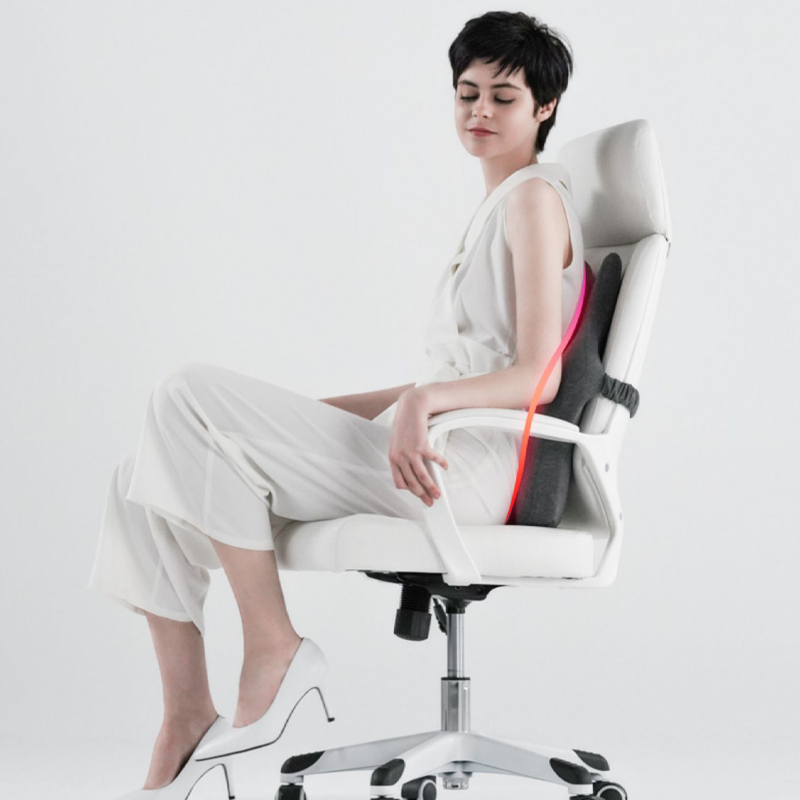
Entering the cross-border e-commerce market for the first time is both exciting and full of uncertainty. For new sellers looking to identify a reliable, low-risk product category with consistent global demand, the memory foam seat cushion stands out as one of the most strategically sound options available today. With remote work culture firmly established across North America, Europe, and Australia, the everyday need for ergonomic comfort support has never been stronger among international consumers.
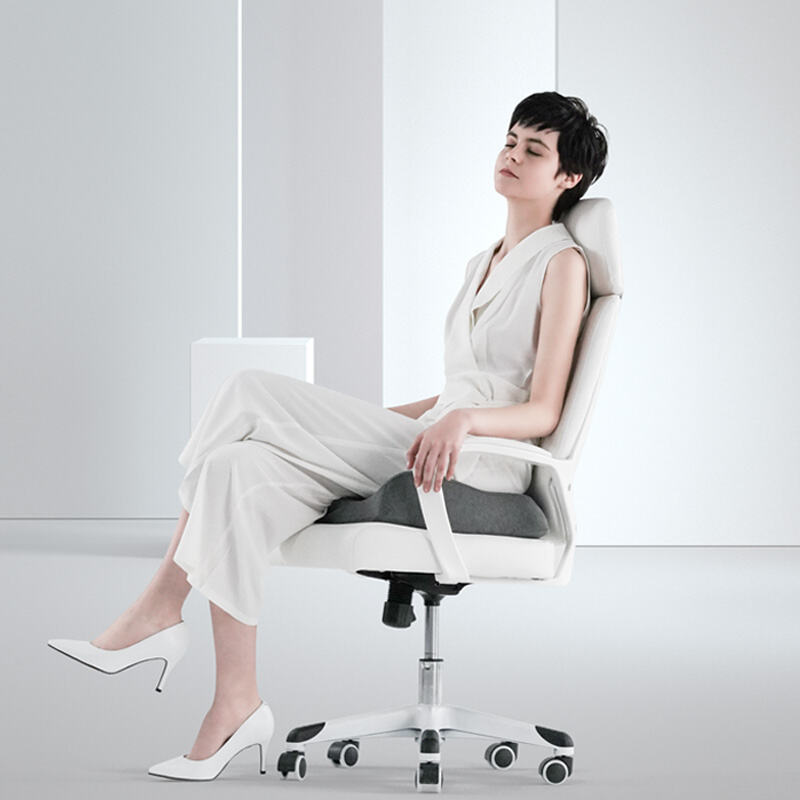
A memory foam seat cushion is not just a comfort accessory — it is a practical health product that addresses real pain points like coccyx pressure, lower back strain, and prolonged sitting fatigue. This combination of health relevance and everyday utility makes it an ideal candidate for cross-border market trials. In this article, we will break down why memory foam seat cushions are among the smartest first products to test internationally, what makes them competitive in foreign markets, and how new sellers can approach their initial trial with confidence and clarity.
Why Memory Foam Seat Cushions Work Well for Market Trials
Universal Demand Across Target Markets
One of the biggest risks for new cross-border sellers is choosing a product with narrow or culturally specific appeal. A memory foam seat cushion avoids this problem entirely. Whether the target market is the United States, the United Kingdom, Germany, or Canada, consumers in each of these regions share a common challenge: they spend hours sitting at desks, in cars, or on hard office chairs. The demand for ergonomic seating support is not a trend — it is a structural, ongoing consumer need.
This universal relevance dramatically reduces the risk of market mismatch, which is a critical advantage for sellers who are still learning how to navigate international buyer expectations, logistics, and platform rules. When you sell a memory foam seat cushion, you are solving a problem that resonates across demographics, age groups, and professional backgrounds. This broad applicability is one of the primary reasons it performs well as a trial product in cross-border commerce.
Furthermore, the product does not require localization in the traditional sense. Unlike clothing or food items, a memory foam seat cushion does not need to be adapted to local tastes, sizes, or cultural norms. The core value proposition — pressure relief, spinal alignment, and sitting comfort — speaks for itself in virtually any market. This makes the selling process far simpler for first-time exporters who may not yet have the resources to customize product lines for each region.
Manageable Size and Logistics Profile
For new cross-border sellers, logistics complexity can make or break a market trial. A memory foam seat cushion offers a manageable weight and volume profile that keeps international shipping costs reasonable. Most standard models weigh between 600 grams and 1.2 kilograms and compress well for packaging, meaning they can be shipped cost-effectively via international air freight or fulfillment center networks like Amazon FBA.
This lightweight nature also means that sellers can offer free or subsidized shipping without significantly eroding their margins — a competitive advantage on most international platforms where shipping cost sensitivity is high. The ability to ship a memory foam seat cushion affordably to multiple destination countries from a single inventory pool makes inventory planning more straightforward during the trial phase.
Additionally, the product is not fragile and does not require special handling, temperature control, or regulatory approval in most Western markets. This simplicity in logistics is invaluable when you are still learning how cross-border fulfillment works. A clean, uncomplicated supply chain lets new sellers focus on marketing, customer service, and platform optimization rather than getting overwhelmed by operational complexity.
Key Product Features That Drive International Conversions
Ergonomic Design and Health Positioning
International buyers, particularly in North American and European markets, respond strongly to health-oriented product messaging. A well-designed memory foam seat cushion that prominently features ergonomic benefits — such as coccyx cutout relief, lumbar support promotion, and non-slip base stability — tends to convert at higher rates than generic comfort products. Buyers in these markets are informed and health-conscious, making product description quality and feature clarity especially important.
The contoured design of a quality memory foam seat cushion is immediately understandable to shoppers who have experienced chronic lower back or tailbone discomfort. When product listings use precise, benefit-driven language rather than vague comfort claims, they build trust and reduce purchase hesitation. For new sellers, learning how to communicate product value in the language of health and ergonomics is a skill that pays dividends across multiple product categories over time.
It is also worth noting that health and wellness is one of the fastest-growing product verticals in global e-commerce. Positioning a memory foam seat cushion within this space rather than as a generic home accessory significantly expands its discoverability on platforms like Amazon, Wayfair, and independent D2C storefronts. Smart category positioning from the start of a market trial can have a measurable impact on early sales velocity.
Visual Appeal and Listing Optimization Potential
A memory foam seat cushion is a visually straightforward product with clean lines, neutral colors, and clear use-case photography potential. This simplicity is a practical benefit for new sellers who may not have professional photography resources. A well-lit, clean product image on a white or lifestyle background communicates quality effectively and aligns with the visual standards that international platforms require for competitive listings.
The product also lends itself well to infographic-style listing images that highlight its key features — density rating, cover material, dimensions, and pressure distribution technology. These visual elements reduce buyer uncertainty and decrease return rates, which is particularly important when selling across borders where product returns are more logistically complex and costly. A lower return rate protects margins and seller ratings during the vulnerable early phase of a market trial.
Beyond images, the memory foam seat cushion generates consistent, keyword-rich search traffic on major platforms. Phrases related to office chair comfort, tailbone pain relief, and work-from-home ergonomics are among the top-searched product intent terms on Amazon US and Amazon UK. New sellers who invest time in keyword research and listing copy optimization for this product category are likely to see steady organic traffic growth without heavy advertising spend.
Pricing Strategy and Margin Structure for New Sellers
Competitive Price Range and Perceived Value
The international market for a memory foam seat cushion spans a wide price range, from entry-level options at around 15 to 25 USD to premium ergonomic models priced between 40 and 70 USD. For new cross-border sellers running a market trial, positioning in the mid-range — approximately 25 to 40 USD — offers the best balance of competitive appeal and margin sustainability. At this price point, buyers perceive meaningful quality without requiring premium brand recognition that new sellers have not yet built.
Memory foam as a material carries inherent perceived value in consumer markets. Shoppers already associate memory foam with quality sleep products and ergonomic furniture, so the material itself functions as a trust signal that supports pricing above basic foam alternatives. This means a well-sourced memory foam seat cushion can achieve stronger gross margins than its material cost might suggest, especially when paired with strong listing presentation and customer reviews.
New sellers should also consider the role of bundling in their pricing strategy. Pairing a memory foam seat cushion with a lumbar support pillow or a desk accessory as a value bundle is a common tactic that increases average order value without requiring the development of entirely new products. This approach is particularly effective on platforms where bundle listings are supported and where buyers are already motivated by ergonomic home office setups.
Cost Management During the Trial Phase
One of the most practical aspects of trialing a memory foam seat cushion as a first cross-border product is the relatively low minimum order quantity from most suppliers. New sellers can typically begin with small batch orders to test market response without overcommitting capital. This flexibility is essential during a market trial, where the goal is to validate demand, gather real buyer feedback, and refine the product presentation before scaling inventory investment.
Keeping initial inventory lean also reduces the risk of overstocking, which carries both financial and logistical costs in cross-border commerce. A memory foam seat cushion that moves steadily in smaller quantities provides more actionable market data than a large inventory bet on an untested assumption. New sellers should prioritize learning over volume in the early months, using sales velocity, return reasons, and review content to guide future purchasing decisions.
It is also wise to account for platform fees, international payment processing costs, and potential import duties when modeling the true landed cost of each unit. Many new sellers underestimate these costs during their first trial, which erodes margins unexpectedly. Running a detailed cost model before placing the first order ensures that the memory foam seat cushion remains profitable even at conservative sales volumes during the validation phase.
Building Long-Term Market Presence Through a Strong First Product
Customer Reviews and Brand Foundation
The early reviews a seller earns during a market trial carry disproportionate long-term value. A memory foam seat cushion is a product that generates genuine, emotionally resonant reviews because it solves a real and often chronic physical discomfort. Buyers who experience meaningful pain relief from a quality memory foam seat cushion are among the most likely to leave detailed, enthusiastic reviews — which are the lifeblood of organic ranking and conversion on international platforms.
New sellers should approach the review-generation phase of their trial with intentionality, ensuring that every aspect of the buyer experience — from accurate listing description to packaging quality to delivery timeliness — is aligned with creating a positive impression. A strong review profile for a memory foam seat cushion builds credibility that can be leveraged when expanding into adjacent product categories later. Think of the first product trial not just as a revenue test but as a brand-building exercise.
Cross-border brand building is a gradual process, but starting with a product that buyers genuinely appreciate and talk about positively accelerates that process considerably. A memory foam seat cushion with thirty to fifty verified reviews averaging above four stars is a commercial asset that supports future product launches, advertising campaigns, and wholesale inquiries — all of which become relevant as the business matures beyond the initial trial stage.
Expanding the Product Line After Market Validation
Once a memory foam seat cushion has been successfully validated in one or two international markets, the seller has established a foundation for strategic product line expansion. The ergonomic comfort category is rich with adjacent products — lumbar back cushions, memory foam knee pillows, neck support rolls, and posture corrector accessories — all of which appeal to the same buyer profile and can be marketed to the same customer base.
This adjacency allows new sellers to grow their store's average order value and repeat purchase rate without having to rebuild brand trust from scratch in an entirely new category. The buyer who purchased a memory foam seat cushion and had a positive experience is already primed to consider other comfort products from the same seller, especially if the brand presentation is consistent and the quality expectation has been met.
Scaling within a defined niche rather than expanding randomly across unrelated categories is a lesson that many successful cross-border sellers learn the hard way. Starting with a focused product like a memory foam seat cushion gives new sellers a clear niche identity, a defined buyer persona, and a repeatable marketing message — all of which are foundational assets as the business grows from trial stage to sustained international operation.
FAQ
Is a memory foam seat cushion a good first product for cross-border e-commerce beginners?
Yes, a memory foam seat cushion is widely regarded as a strong choice for first-time cross-border sellers because it combines universal demand, manageable logistics, competitive pricing potential, and health-oriented appeal that resonates in major Western markets. Its relatively simple supply chain and strong review-generation potential make it well-suited to the learning curve of a market trial.
Which international markets tend to respond best to memory foam seat cushions?
Markets with high rates of office and remote work adoption — including the United States, the United Kingdom, Canada, Germany, and Australia — tend to show strong demand for a memory foam seat cushion. These regions have health-conscious consumer bases with significant disposable income and established e-commerce infrastructure, making them ideal targets for new cross-border sellers running initial product trials.
How should new sellers price a memory foam seat cushion for international markets?
A mid-range pricing strategy of approximately 25 to 40 USD tends to work well for new sellers. This range positions the memory foam seat cushion as a quality product without requiring premium brand recognition. Sellers should factor in all landed costs — including shipping, platform fees, and duties — before finalizing their retail price to ensure sustainable margins from the first unit sold.
What is the biggest mistake new cross-border sellers make when trialing a memory foam seat cushion?
The most common mistake is overcommitting inventory before validating demand in the target market. New sellers should begin with a small, manageable batch of memory foam seat cushions to test listing performance, buyer response, and review quality before scaling. Treating the first order as a learning investment rather than a volume play protects capital and provides the data needed to make smarter decisions in subsequent orders.
Table of Contents
- Why Memory Foam Seat Cushions Work Well for Market Trials
- Key Product Features That Drive International Conversions
- Pricing Strategy and Margin Structure for New Sellers
- Building Long-Term Market Presence Through a Strong First Product
-
FAQ
- Is a memory foam seat cushion a good first product for cross-border e-commerce beginners?
- Which international markets tend to respond best to memory foam seat cushions?
- How should new sellers price a memory foam seat cushion for international markets?
- What is the biggest mistake new cross-border sellers make when trialing a memory foam seat cushion?