
 EN
EN



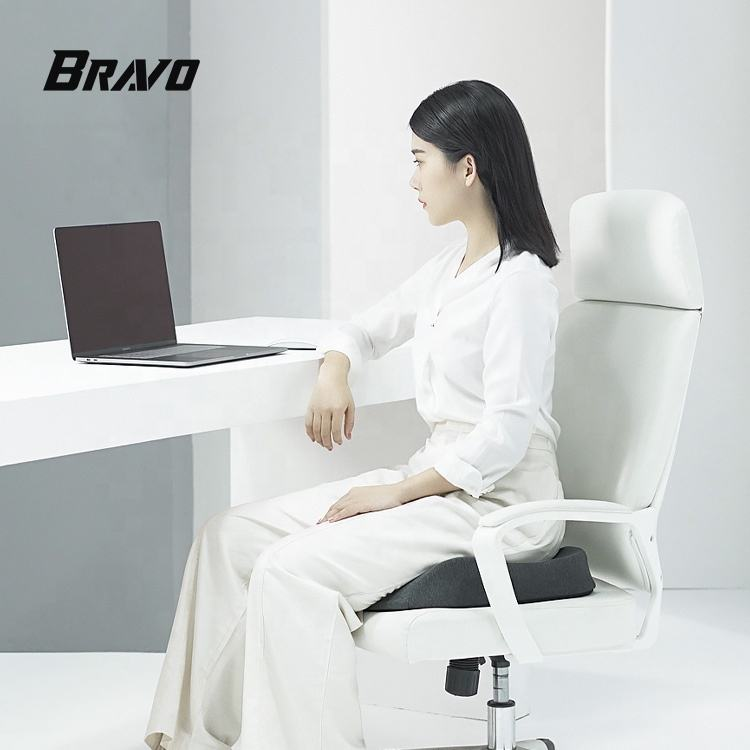
The car accessories market has never been more competitive, and retailers who want to stand out need products that combine genuine utility with strong consumer appeal. A memory foam car cushion checks both boxes with remarkable consistency. From daily commuters seeking relief during long drives to rideshare drivers spending hours behind the wheel, demand for ergonomic seating solutions continues to grow across virtually every driver demographic. For store owners and B2B buyers, understanding how to source and position this product category effectively can translate directly into higher basket values and stronger repeat purchase rates.
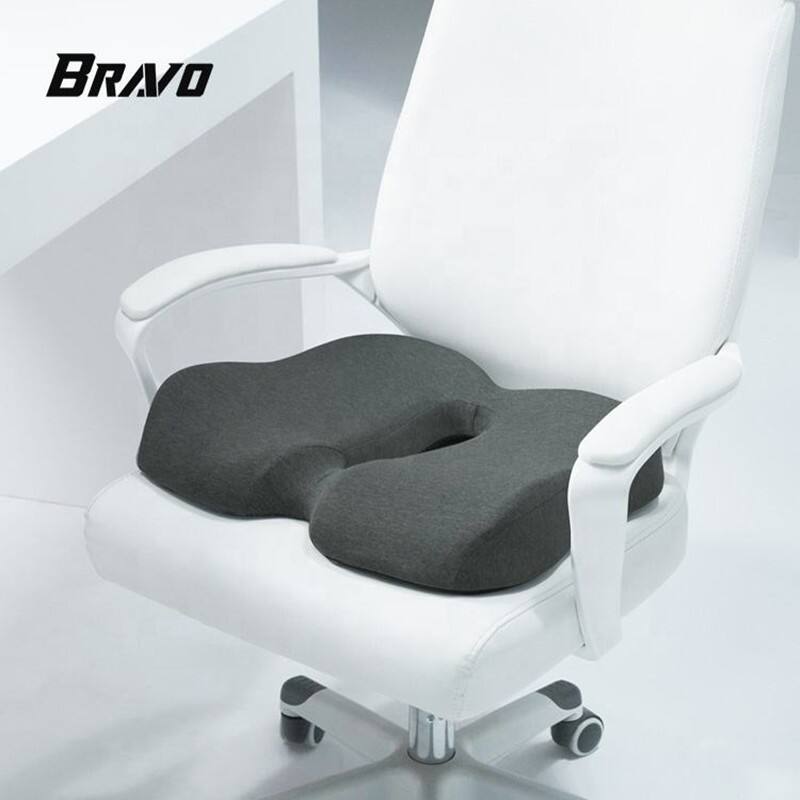
Sourcing the right memory foam car cushion for your retail lineup involves more than simply finding a low-cost supplier. It requires understanding product quality benchmarks, buyer psychology, shelf positioning strategy, and the broader ergonomic wellness trend driving purchase decisions today. This article walks through everything a retailer or B2B sourcing professional needs to know to build a high-performing memory foam car cushion category that genuinely moves inventory and builds brand credibility.
Why the Memory Foam Car Cushion Category Is Booming
The Ergonomic Wellness Trend Is Reshaping Car Accessory Buying
Consumers are no longer satisfied with the factory-installed seating that comes standard in most vehicles. Awareness of posture-related health issues, lower back pain, and coccyx discomfort has reached a tipping point, pushing ergonomic car accessories into the mainstream retail conversation. The memory foam car cushion sits at the center of this shift, offering a practical, affordable solution that drivers can implement immediately without modifying their vehicle.
Health-conscious consumers who already invest in ergonomic office chairs, standing desks, and lumbar supports are naturally extending that mindset to their vehicles. This cross-category behavior creates a ready-made audience for retailers who stock a quality memory foam car cushion alongside other comfort-oriented products. The trust is already built; the buyer simply needs the right product presented at the right moment.
Rideshare and gig economy drivers represent another powerful demand segment. These individuals treat their vehicles as workplaces and are highly motivated to invest in comfort upgrades that reduce fatigue and physical strain. A memory foam car cushion is one of the first purchases many of them make after starting a driving career, creating a reliable, recurring demand stream for retailers who position themselves correctly.
Market Data Points That Should Excite Retailers
Global interest in ergonomic seating accessories has shown consistent upward momentum over the past several years, and the memory foam car cushion segment has benefited significantly from that broader movement. Online search volume for driver comfort products, back pain relief accessories, and orthopedic seat cushions has grown substantially, signaling that consumer intent is strong and still expanding.
Retailers who have added a well-sourced memory foam car cushion to their product mix report strong average order values because the product often sells alongside complementary items such as lumbar pillows, steering wheel covers, and neck rests. This bundling potential makes the memory foam car cushion a strategic anchor product rather than a simple impulse buy.
Product review data from major e-commerce platforms consistently shows that memory foam car cushion listings with verified buyer feedback about pain relief and comfort improvements attract above-average conversion rates. This tells retailers something important: the product sells itself when the quality is right, and satisfied customers naturally generate the social proof that attracts more buyers.
What to Look for When Sourcing a Memory Foam Car Cushion
Foam Density and Quality Grades That Actually Matter
Not all memory foam is created equal, and when sourcing a memory foam car cushion for retail, understanding foam density is one of the most important quality benchmarks you can apply. High-density memory foam retains its shape over time, provides consistent pressure distribution, and holds up under daily use in demanding conditions like summer heat inside a parked car. Lower-density foam may compress permanently within weeks, generating returns and damaging your store's reputation.
A quality memory foam car cushion will typically use foam with a density rating that supports both pressure relief and durability simultaneously. When evaluating samples from potential suppliers, test the rebound speed of the foam. Premium slow-recovery memory foam should return to its original shape within a few seconds after compression, not immediately like standard foam and not extremely slowly like low-quality alternatives. This simple test is a reliable indicator of overall foam quality.
Temperature sensitivity is another characteristic worth evaluating in a memory foam car cushion intended for vehicle use. Car interiors can reach extreme temperatures in summer, and a foam that becomes either rock-hard in cold weather or excessively soft in heat will frustrate customers and generate complaints. Look for suppliers who can provide temperature-stability documentation or foam composition data to verify performance across a realistic temperature range.
Ergonomic Design Features That Drive Purchase Decisions
The coccyx cutout design is one of the most commercially significant features in the memory foam car cushion category. This U-shaped or V-shaped relief at the rear of the cushion reduces direct pressure on the tailbone, making the product genuinely therapeutic for people recovering from injuries or managing chronic lower back and coccyx pain. Products featuring this design command a higher perceived value and often justify a premium retail price point.
Contoured side wings and a forward-sloping front edge are additional design elements that improve the functional credibility of a memory foam car cushion. Side wings help stabilize the hips during cornering, while a downward-sloping front edge reduces pressure behind the knees and promotes better circulation during extended driving. These features are not just marketing language; they represent real ergonomic thinking that educated buyers recognize and value.
Cover quality is often underestimated during sourcing decisions but plays a major role in customer satisfaction with a memory foam car cushion. A breathable mesh or high-quality velour cover prevents excessive heat buildup, maintains comfort during long drives, and contributes to the premium feel of the product in-hand. Removable, washable covers are a strong selling point that reduces hygiene concerns and extends product lifespan in the customer's experience.
Positioning and Merchandising the Memory Foam Car Cushion in Your Store
Shelf Placement and Visual Merchandising Strategies
A memory foam car cushion benefits enormously from tactile merchandising opportunities. When shoppers can press their hand into the foam and feel the slow-recovery compression, conversion rates rise sharply compared to products displayed in sealed packaging. If your retail format allows, consider open-display units where customers can physically interact with the product before purchasing.
Placing the memory foam car cushion near complementary products such as lumbar supports, neck pillows, and heated seat covers creates a natural comfort zone within your store layout. This clustering approach encourages multi-item purchases and signals to shoppers that your store understands driver comfort as a complete category rather than a single isolated product. Visual consistency across this zone, using color-coordinated signage and unified branding language, reinforces the message further.
Point-of-sale materials that communicate the health benefits of a memory foam car cushion — such as pressure relief, improved posture, and reduced fatigue — address the 'why buy' question before the customer even asks it. Simple diagrams showing the coccyx cutout and foam contouring in action can be remarkably persuasive for first-time buyers who might otherwise hesitate at the price point.
Pricing Strategy to Maximize Margin Without Losing Volume
The memory foam car cushion occupies a favorable pricing zone in most markets — high enough to deliver meaningful margin to retailers, yet accessible enough to avoid triggering significant buyer hesitation. Understanding where your sourcing cost lands relative to this range is the foundation of a smart pricing strategy. Retailers who source quality product at competitive cost can build in healthy margins while still pricing competitively against online alternatives.
Tiered SKU strategies work particularly well in the memory foam car cushion category. Offering a standard version alongside a premium version with enhanced features such as a gel-infused top layer, upgraded cover material, or additional ergonomic contouring gives customers a clear upgrade path and naturally drives average transaction values upward. The premium option also anchors price perception, making the standard version feel like excellent value by comparison.
Bundling a memory foam car cushion with a complementary product — a lumbar roll, a seat gap filler, or a travel neck pillow — at a modest bundle discount is an effective way to increase transaction size while improving perceived value for the customer. These bundles also reduce the likelihood of customers purchasing only from online channels, since curated bundles are harder to price-match against individual online listings.
Building Long-Term Category Success with Memory Foam Car Cushions
Supplier Relationships and Consistent Quality Control
Sourcing a memory foam car cushion for retail is not a one-time transaction; it is the beginning of an ongoing supplier relationship that needs to be managed proactively. Establishing clear quality specifications in your purchase agreements — covering foam density, dimensions, cover material standards, and packaging requirements — protects you from gradual quality drift that sometimes occurs once initial orders have been placed and supplier attention shifts to new accounts.
Regular sample reviews from incoming shipments, even on a random-batch basis, allow you to catch quality inconsistencies before they reach the sales floor or your customers. For a product category where customer reviews are heavily influenced by durability and long-term comfort retention, maintaining consistent quality in your memory foam car cushion supply chain is a direct investment in your store's reputation.
Suppliers who can provide certifications related to foam safety standards, cover fabric compliance, and environmental considerations are increasingly valuable as retail buyers and consumers pay more attention to product safety and sustainability. When sourcing a memory foam car cushion for B2B resale, requesting documentation for these certifications not only protects your business from liability but also gives you credible marketing material to use with quality-conscious customers.
Leveraging Customer Feedback to Optimize Your Assortment
Customer reviews and return data are the most honest performance signals available for a memory foam car cushion category. Systematically tracking the reasons behind returns — whether they relate to foam firmness, cover quality, sizing, or durability — gives you actionable intelligence to refine your sourcing specifications over time. Retailers who actively use this feedback loop consistently outperform those who treat sourcing as a static, set-and-forget function.
Positive feedback patterns are equally valuable. When customers consistently mention specific features — such as the coccyx relief cutout or the breathable cover — in their praise, you have confirmed that these features are genuinely valued and should be treated as non-negotiable requirements in future sourcing decisions. This data-driven approach to assortment management helps you build a memory foam car cushion lineup that continuously improves in relevance and quality.
Engaging directly with top-rated customer reviews and featuring real use cases in your in-store and online marketing creates an authenticity loop that reinforces buyer confidence. When prospective customers see that other drivers have experienced genuine pain relief and comfort improvement from your memory foam car cushion range, the purchase decision becomes significantly easier, reducing friction and accelerating sell-through rates.
FAQ
What makes a memory foam car cushion worth selling in a retail store?
A memory foam car cushion offers a compelling combination of broad market appeal, strong perceived value, and genuine functional benefits that drive positive customer reviews. It serves a large and growing audience of health-conscious commuters, long-distance drivers, and gig economy workers, making it one of the most versatile and commercially reliable products in the car accessories category.
How should I evaluate foam quality when sourcing a memory foam car cushion from a supplier?
Focus on foam density ratings, slow-recovery rebound characteristics, and temperature stability. Request samples and physically test them by pressing into the foam and observing how it returns to shape. High-quality memory foam for a car cushion should recover steadily over a few seconds, maintain structural integrity under repeated use, and not become excessively hard or soft under typical vehicle interior temperature conditions.
What is the most effective way to merchandise a memory foam car cushion in-store?
Open-display merchandising that allows customers to physically interact with the memory foam car cushion before purchase significantly improves conversion rates. Grouping the product with complementary comfort accessories, using clear point-of-sale materials that explain ergonomic benefits, and offering tiered SKU options at different price points together create a merchandising environment that supports strong and consistent sales performance.
Can a memory foam car cushion be sold as part of a bundle strategy?
Absolutely. A memory foam car cushion pairs naturally with lumbar support rolls, travel neck pillows, seat gap fillers, and steering wheel covers. Bundling these products at a modest combined discount increases average transaction value, improves perceived value for the customer, and creates a differentiated offering that is more difficult for shoppers to replicate through individual online purchases, supporting both margin and customer loyalty goals.
Table of Contents
- Why the Memory Foam Car Cushion Category Is Booming
- What to Look for When Sourcing a Memory Foam Car Cushion
- Positioning and Merchandising the Memory Foam Car Cushion in Your Store
- Building Long-Term Category Success with Memory Foam Car Cushions
-
FAQ
- What makes a memory foam car cushion worth selling in a retail store?
- How should I evaluate foam quality when sourcing a memory foam car cushion from a supplier?
- What is the most effective way to merchandise a memory foam car cushion in-store?
- Can a memory foam car cushion be sold as part of a bundle strategy?