
 EN
EN




When sourcing foam products for resale or distribution, one of the most consequential decisions you will make is choosing between high-density foam and regular foam. This choice is not simply a matter of product specifications — it directly determines which customer segments you can serve, what price points you can command, and how your buyers will perceive the long-term value of your offering. Understanding the difference between these two material categories, and aligning that difference with your target buyer profile, is the foundation of a successful foam sourcing strategy.
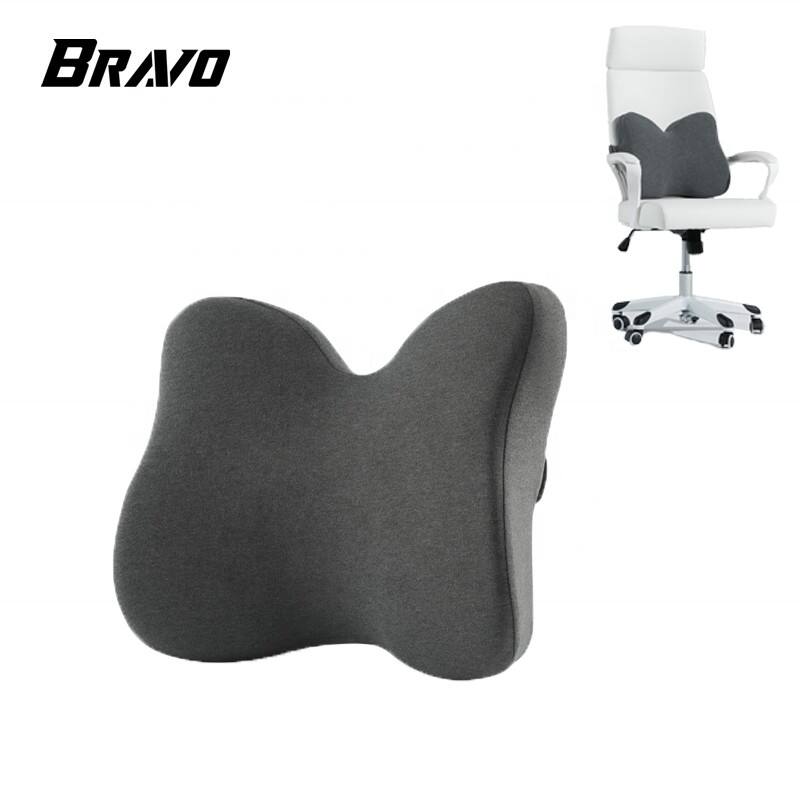
The foam industry serves an extraordinarily wide range of end markets — from budget-conscious consumers purchasing basic seat cushions, to ergonomics-focused professionals investing in premium back support products, to commercial buyers equipping office environments or healthcare facilities. Each of these buyer segments has distinct performance expectations, durability requirements, and willingness-to-pay thresholds. A sourcing approach built around high-density foam versus regular foam must begin with a precise understanding of who is actually buying your products and what they genuinely need from the material beneath them.
Understanding the Core Differences Between High-Density and Regular Foam
What Density Actually Means in Foam Materials
Foam density is measured in pounds per cubic foot (PCF) or kilograms per cubic meter, and it describes the weight of the foam material relative to its volume. High-density foam typically falls in the range of 1.8 PCF and above, with premium grades reaching 2.5 PCF or higher. Regular foam, often referred to as standard or economy foam, generally sits below 1.8 PCF and is designed to meet basic cushioning needs at a lower production cost.
Density is not the same as firmness, a distinction that confuses many buyers new to the foam category. A foam product can be high-density and soft, or low-density and firm, depending on how the cell structure is engineered during manufacturing. What density primarily affects is the structural integrity, the lifespan of the material, and the resistance to permanent compression over time. When you source high-density foam, you are purchasing a product with a fundamentally denser cellular matrix, which translates into greater resilience under repeated load cycles.
This difference in material composition creates a measurable divergence in performance outcomes. Products made from high-density foam tend to retain their original shape and support characteristics far longer than products built on regular foam. For buyers who will use a product daily over months or years, this durability gap becomes one of the most important purchase criteria, and your sourcing decisions should reflect that reality.
Durability and Performance Expectations by Foam Type
Regular foam performs adequately for light or infrequent use applications. It compresses quickly under sustained pressure and begins to lose its original support characteristics within months of regular use. This makes it suitable for decorative cushions, occasional-use furniture, packaging applications, or any context where the buyer expects to replace the product within a short timeframe. From a sourcing standpoint, regular foam delivers on cost efficiency but cannot support claims of long-term durability.
High-density foam, by contrast, is engineered to withstand sustained compression without permanent deformation. In seating and support applications, this means the product continues to provide meaningful ergonomic support even after thousands of hours of use. Products built around high-density foam are positioned to carry performance guarantees, longer warranty periods, and the kind of durability narrative that resonates with buyers making considered purchases rather than impulse decisions.
For B2B sourcing professionals, understanding this performance gap is essential because it maps directly onto buyer behavior. A buyer investing in ergonomic seating for a corporate office fleet will have completely different expectations than a retailer stocking seasonal outdoor cushions. Matching the foam specification to the buyer's actual usage pattern is the single most important alignment decision in your sourcing strategy.
Identifying Your Target Buyer Segments and Their Foam Preferences
Premium and Ergonomics-Focused Buyers
The premium buyer segment typically includes individuals or procurement teams purchasing ergonomic support products for intensive daily use. This group includes remote workers investing in home office setups, corporate facility managers equipping workstations, healthcare professionals seeking therapeutic seating aids, and wellness-oriented consumers who view ergonomic products as a health investment rather than a commodity. For all of these buyers, high-density foam is not merely a preference — it is a baseline expectation.
These buyers conduct more thorough research before purchasing, ask specific questions about materials and construction, and are significantly more likely to consult product specifications. They are also more likely to leave detailed reviews and return products that fail to meet their durability expectations. Sourcing high-density foam products for this segment requires you to work with suppliers who can provide verified density specifications and consistent quality control across production batches.
A well-positioned high-density foam back cushion, for instance, becomes a credible answer to the premium ergonomic buyer's need for lasting lumbar support. The material specification is the foundation of the product's credibility in this market segment, and your sourcing decisions need to reflect that weight of expectation.
Value-Oriented and Volume Buyers
At the other end of the spectrum, value-oriented buyers prioritize affordability and replacement-cycle economics over long-term durability. This segment includes budget-conscious consumers, hospitality businesses refreshing furnishings on tight schedules, event rental companies, promotional product buyers, and fast-fashion furniture brands. For these buyers, regular foam is often the appropriate sourcing choice because the product's expected lifecycle aligns with the material's actual performance range.
Volume buyers in this category are often purchasing in large quantities and are highly sensitive to per-unit cost differences. The cost gap between regular foam and high-density foam can be meaningful at scale, and for buyers who are replacing products frequently by design, that gap is difficult to justify. Understanding this logic allows you to source strategically — offering regular foam options where they genuinely serve the buyer's needs, rather than defaulting to one specification across your entire product range.
The risk in this segment is over-promising. If you source regular foam but market it with durability language typically associated with high-density foam, you will generate returns, negative reviews, and damaged buyer relationships. Transparent communication about foam specifications, matched carefully to realistic buyer expectations, is the most sustainable approach in this market tier.
Commercial and Institutional Buyers
Commercial and institutional buyers — including corporate procurement teams, healthcare facilities, hospitality operators, and educational institutions — represent a distinct third category with hybrid requirements. These buyers often need products that balance cost efficiency at scale with a minimum performance threshold that justifies multi-year usage. For this segment, high-density foam in the mid-range specification (typically 1.8 to 2.2 PCF) tends to offer the most compelling value proposition.
Institutional buyers are also more likely to issue formal procurement requirements, request material specifications documentation, and conduct vendor evaluations based on compliance criteria. If your supply chain can provide verified high-density foam specifications with consistent batch-to-batch quality, you gain a significant competitive advantage in this buyer category. Working with foam suppliers who maintain quality certification and can provide material data sheets is an investment that pays dividends when targeting institutional procurement channels.
Sourcing Strategy Tips Aligned With Buyer Segment Targeting
Building a Tiered Product Portfolio Around Foam Specifications
One of the most effective sourcing strategies for businesses serving multiple buyer segments is to build a deliberately tiered product portfolio that maps foam specifications to buyer categories. Rather than stocking a single foam type across all products, consider maintaining sourcing relationships that allow you to offer entry-level products built on regular foam alongside premium products built on high-density foam. This tiering approach allows you to serve a wider market without creating internal inconsistency in your quality claims.
The key to making this strategy work is clear internal segmentation and disciplined product positioning. Each product tier must be sourced, specified, and communicated consistently. If your premium tier is built on high-density foam with certified density specifications, every product in that tier must meet those standards without exception. Inconsistency at the sourcing level translates directly into inconsistency in the buyer experience, which erodes trust in your brand regardless of the tier.
Product tiering also allows you to manage margin architecture more effectively. High-density foam carries a higher input cost, but it also supports higher selling prices, longer warranty periods, and stronger brand positioning in premium channels. Understanding the margin dynamics of each tier — and sourcing accordingly — is essential to building a sustainable foam product business across multiple buyer segments.
Evaluating Foam Suppliers for Target Buyer Alignment
When evaluating foam suppliers, the most important question is not simply whether they offer high-density foam — it is whether their production capabilities, quality control systems, and minimum order requirements align with the specific buyer segments you are targeting. A supplier capable of producing consistent high-density foam at the density range required for ergonomic applications requires different infrastructure than a supplier optimized for high-volume regular foam production.
Request material data sheets and density verification documentation from any supplier you are considering for premium buyer segments. For high-density foam applications in ergonomic or therapeutic products, density specifications should be verifiable and consistent across production runs. Suppliers who cannot provide this documentation represent a sourcing risk that becomes a product quality risk once the goods reach your buyers.
Also evaluate suppliers based on their experience serving your target buyer category. A supplier with a strong track record in commercial office furniture foam will understand the density, compression resilience, and durability requirements of that market in ways that a general foam supplier may not. Sector-specific supplier experience reduces your sourcing risk and shortens the product development cycle when you are targeting specific buyer segments with defined performance expectations.
Communicating Foam Specifications to Downstream Buyers
For buyers in the premium and institutional segments, transparent communication of foam specifications is a purchasing prerequisite, not a nice-to-have. If your product contains high-density foam, that specification should appear prominently in your product listings, technical documentation, and marketing materials. Buyers who prioritize durability and performance will actively look for this information, and its absence signals either a lack of specification control or an unwillingness to disclose material quality.
Framing high-density foam content in terms of buyer-relevant benefits — rather than technical specifications alone — increases conversion rates among informed buyers. Instead of simply stating a density figure, translate that specification into the outcome the buyer cares about: sustained lumbar support after months of daily use, resistance to permanent compression in high-traffic seating applications, or consistent performance across the product's intended service life. Specification-led marketing works best when the technical detail is anchored to a tangible performance benefit.
Practical Decision Criteria for Choosing Foam Specifications by Sales Channel
E-Commerce and Direct-to-Consumer Channels
In direct-to-consumer e-commerce, buyer expectations and return rates are highly sensitive to the gap between product descriptions and actual performance. If you are selling ergonomic back cushions, seat pads, or support products through e-commerce channels, sourcing high-density foam for your core product range is a risk management decision as much as a quality decision. Products built on regular foam that are marketed in ergonomic or therapeutic contexts generate disproportionately high return rates as buyers discover that the support degrades within weeks of regular use.
For e-commerce sellers, the long-tail SEO and review ecosystem rewards products that genuinely perform as described. A product built on high-density foam that accurately represents its durability and support characteristics will accumulate stronger reviews over time, reduce return-driven margin erosion, and build the kind of buyer trust that drives repeat purchases and referral traffic. Sourcing quality and marketing transparency are interdependent in the direct-to-consumer channel.
Wholesale and Retail Distribution Channels
In wholesale and retail distribution, your buyers are typically retailers or distributors who are making range decisions based on their own customer segment assumptions. When pitching high-density foam products to wholesale buyers, the conversation needs to be framed around their end consumer profile, not just product specifications. A wholesale buyer stocking a home goods retailer targeting young urban professionals has different selection criteria than a buyer stocking discount furniture chains.
Providing retail buyers with clear segmentation guidance — explaining which foam specification is appropriate for which end consumer — positions you as a knowledgeable sourcing partner rather than simply a product vendor. This consultative approach, grounded in genuine understanding of how high-density foam versus regular foam performs across different buyer use cases, builds stronger distribution relationships and reduces the risk of misaligned product placement.
FAQ
What is the minimum density that qualifies as high-density foam for ergonomic applications?
For ergonomic seating and support applications, high-density foam is generally defined as foam with a density of 1.8 PCF (pounds per cubic foot) or above. Premium ergonomic products often use foam in the 2.0 to 2.5 PCF range for optimal durability and sustained support. When sourcing for ergonomic buyer segments, always request verified density documentation from your supplier to ensure specifications are consistent across production batches.
Can regular foam be used in products marketed for daily ergonomic use?
Regular foam is not recommended for products marketed as daily ergonomic support items. The cellular structure of regular foam degrades under sustained compression much faster than high-density foam, which means the product will lose meaningful support characteristics within a relatively short period of regular use. Sourcing regular foam for ergonomic applications creates a significant mismatch between buyer expectations and actual product performance, leading to returns and reputational damage.
How does foam density affect the pricing and positioning of cushion products?
High-density foam carries a higher raw material cost than regular foam, which directly affects product pricing at both wholesale and retail levels. However, the premium associated with high-density foam is justifiable — and expected — in buyer segments that prioritize durability, ergonomic performance, and long-term value. Products built on high-density foam can be positioned at higher price points with stronger warranty commitments, which typically yields better margin profiles than competing on price with regular foam alternatives.
What documentation should I request from foam suppliers to verify density specifications?
When sourcing high-density foam for premium or institutional buyer segments, request material data sheets (MDS) that specify the foam's density in PCF or kg/m³, along with compression load deflection (CLD) values and resilience test results. For regulated environments such as healthcare, additional certifications related to chemical content or fire resistance may be required. Reputable foam suppliers serving commercial and ergonomic markets will have this documentation readily available as a standard part of their customer qualification process.
Table of Contents
- Understanding the Core Differences Between High-Density and Regular Foam
- Identifying Your Target Buyer Segments and Their Foam Preferences
- Sourcing Strategy Tips Aligned With Buyer Segment Targeting
- Practical Decision Criteria for Choosing Foam Specifications by Sales Channel
-
FAQ
- What is the minimum density that qualifies as high-density foam for ergonomic applications?
- Can regular foam be used in products marketed for daily ergonomic use?
- How does foam density affect the pricing and positioning of cushion products?
- What documentation should I request from foam suppliers to verify density specifications?