
 EN
EN



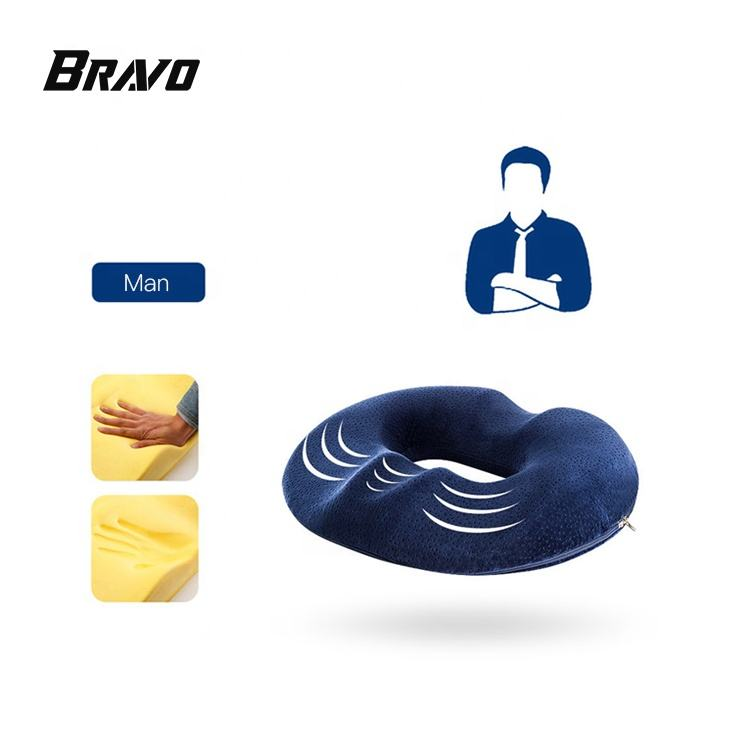
The manufacturing landscape for specialized comfort products has evolved significantly, with businesses increasingly seeking reliable partners for custom foam solutions. A memory foam small parts OEM factory serves as the backbone of this industry, providing tailored manufacturing services that meet diverse client specifications. These specialized facilities combine advanced production capabilities with streamlined processes to deliver consistent, high-quality products across various applications. Understanding how these factories operate from initial sampling to full-scale production reveals the sophisticated systems that enable efficient bulk manufacturing while maintaining strict quality standards.
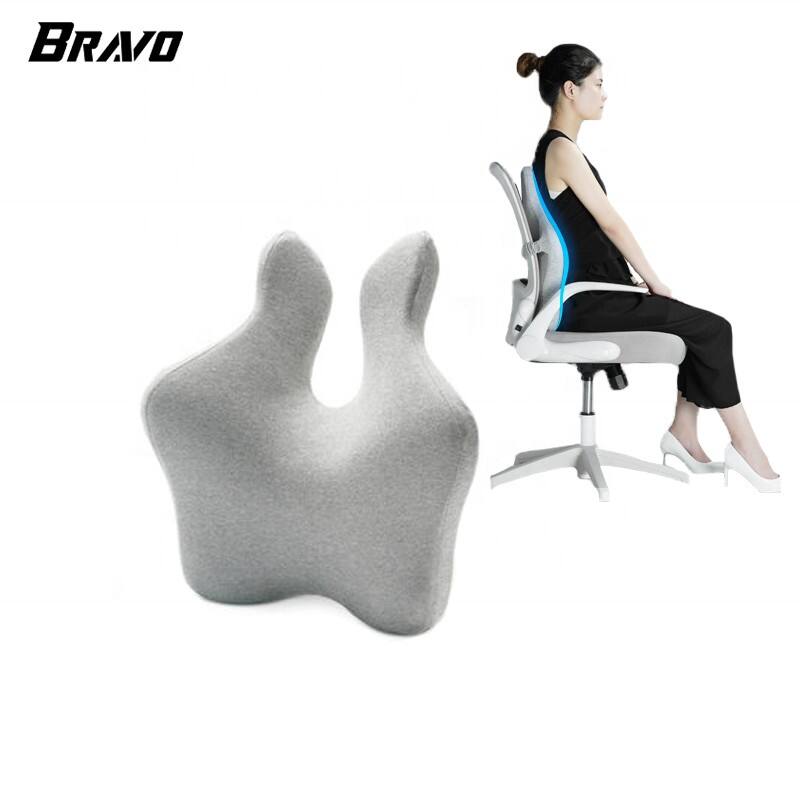
Initial Sample Development and Client Consultation
Understanding Client Requirements
The journey begins with comprehensive client consultation where engineers assess specific requirements for memory foam applications. A professional memory foam small parts OEM factory employs experienced technical teams who analyze dimensional specifications, density requirements, and intended use cases. This initial phase involves detailed discussions about foam characteristics, including firmness levels, recovery times, and environmental considerations. The factory's expertise in various foam formulations enables them to recommend optimal solutions based on client needs and budget constraints.
Technical specifications are documented through detailed project briefs that outline every aspect of the desired product. These specifications include precise measurements, tolerance requirements, surface finish preferences, and any special features such as antimicrobial treatments or flame-retardant properties. The consultation phase also addresses packaging requirements, delivery schedules, and quality assurance protocols that will govern the entire manufacturing process.
Sample Production and Testing Protocols
Sample development represents a critical phase where theoretical specifications transform into tangible prototypes. The memory foam small parts OEM factory utilizes specialized equipment to create initial samples that demonstrate feasibility and quality expectations. These samples undergo rigorous testing procedures that evaluate density consistency, compression characteristics, and dimensional accuracy. Testing protocols often include accelerated aging tests to simulate long-term performance under various environmental conditions.
Quality control measures during sample production establish benchmarks for subsequent bulk manufacturing. Each sample batch receives comprehensive documentation that tracks material formulations, processing parameters, and performance metrics. This documentation becomes the foundation for production standards and serves as a reference point throughout the manufacturing relationship. Clients receive detailed test reports alongside physical samples, enabling informed decision-making before committing to larger production runs.
Production Planning and Material Sourcing
Supply Chain Management Strategies
Effective supply chain management forms the cornerstone of successful bulk production in any memory foam small parts OEM factory. Strategic partnerships with raw material suppliers ensure consistent availability of high-grade polyurethane chemicals, catalysts, and additives required for memory foam production. These relationships often involve long-term contracts that guarantee material quality and pricing stability, enabling factories to provide competitive quotes while maintaining profit margins.
Material sourcing strategies encompass both primary and backup suppliers to mitigate supply disruption risks. Quality assurance protocols extend throughout the supply chain, with incoming material inspections verifying chemical composition, purity levels, and storage conditions. The factory maintains detailed inventory management systems that track material usage rates, expiration dates, and lot numbers to ensure traceability throughout the production process.
Production Scheduling and Capacity Optimization
Production scheduling balances multiple client orders while optimizing manufacturing efficiency and resource utilization. Advanced planning systems consider factors such as foam curing times, equipment changeover requirements, and quality control checkpoint intervals. A well-organized memory foam small parts OEM factory implements flexible scheduling protocols that accommodate rush orders while maintaining consistent delivery performance for standard production timelines.
Capacity optimization involves strategic allocation of manufacturing resources across different product lines and client requirements. This includes scheduling foam pouring operations during optimal environmental conditions, coordinating cutting and shaping processes with downstream operations, and managing packaging workflows to minimize handling delays. Effective scheduling reduces waste, minimizes energy consumption, and ensures consistent product quality across all production batches.
Manufacturing Process Control and Quality Assurance
Foam Production and Molding Techniques
The core manufacturing process begins with precise chemical mixing where polyol, isocyanate, and specialized additives combine under controlled conditions. Modern memory foam small parts OEM factory facilities utilize automated mixing systems that ensure consistent chemical ratios and thorough blending. Temperature control during the mixing phase is critical, as it affects foam rise characteristics, cell structure formation, and final product density. Experienced technicians monitor mixing parameters continuously, making real-time adjustments to maintain optimal conditions.
Molding operations require specialized equipment designed for small parts production, often incorporating custom tooling that matches exact client specifications. The memory foam small parts OEM factory utilizes precision molding techniques that minimize material waste while ensuring dimensional accuracy. Mold release agents and surface treatments are carefully selected to produce smooth finishes and facilitate easy part removal without compromising foam integrity.
Quality Control Checkpoints and Testing Procedures
Quality assurance protocols encompass multiple checkpoints throughout the manufacturing process, beginning with raw material verification and extending through final product inspection. In-process quality control includes monitoring foam rise rates, checking cure temperatures, and verifying dimensional compliance at various production stages. Automated testing equipment measures foam density, compression properties, and recovery characteristics to ensure consistency with approved sample specifications.
Final inspection procedures involve comprehensive evaluation of surface quality, dimensional accuracy, and performance characteristics. Each production batch undergoes statistical sampling protocols that verify compliance with established quality standards. Documentation systems track quality metrics throughout production, creating detailed records that support traceability requirements and continuous improvement initiatives. Non-conforming products are immediately segregated and subjected to root cause analysis to prevent recurrence.
Packaging and Logistics Coordination
Protective Packaging Solutions
Packaging operations in a memory foam small parts OEM factory require specialized solutions that protect delicate foam products during transportation and storage. Custom packaging designs accommodate various product shapes and sizes while providing adequate compression protection and moisture barriers. Packaging materials are selected based on shipping distances, handling requirements, and environmental conditions expected during transit. Vacuum packaging techniques are often employed for space efficiency and enhanced protection.
Packaging protocols include clear labeling systems that identify product specifications, batch numbers, and handling instructions. Barcode integration facilitates inventory tracking and shipping verification processes. The factory maintains packaging material inventory that supports various client preferences, from basic protective wrapping to premium presentation packaging for retail applications. Sustainability considerations influence packaging material selection, with many facilities adopting recyclable and biodegradable options.
Shipping Coordination and Delivery Tracking
Logistics coordination begins during production planning phases where delivery schedules are integrated with manufacturing timelines. The memory foam small parts OEM factory maintains relationships with multiple shipping carriers to provide flexible delivery options and competitive freight rates. Shipping coordination includes proper documentation preparation, customs clearance for international shipments, and special handling arrangements for fragile products.
Real-time tracking systems provide clients with visibility into shipment status from factory departure through final delivery. These systems integrate with factory production schedules, enabling proactive communication about potential delays or expedited delivery opportunities. Electronic proof of delivery and condition reporting systems ensure accountability throughout the shipping process and provide documentation for any insurance claims or quality issues that may arise during transit.
Continuous Improvement and Client Relationship Management
Performance Monitoring and Process Optimization
Continuous improvement initiatives in a memory foam small parts OEM factory focus on enhancing production efficiency, reducing waste, and improving product quality. Performance monitoring systems collect data on production rates, quality metrics, material usage, and energy consumption. This data analysis identifies optimization opportunities and guides investment decisions for equipment upgrades and process improvements. Regular performance reviews compare actual results against established benchmarks and client expectations.
Process optimization efforts often involve lean manufacturing principles that eliminate non-value-added activities and streamline workflows. Cross-functional teams analyze production bottlenecks, implement efficiency improvements, and monitor results to ensure sustainable gains. Technology adoption plays a crucial role in optimization efforts, with automation systems reducing manual labor requirements and improving consistency. Environmental considerations drive optimization initiatives focused on reducing energy consumption and minimizing waste generation.
Long-term Partnership Development
Successful memory foam small parts OEM factory operations prioritize long-term client relationships through consistent performance and proactive communication. Regular business reviews assess client satisfaction, discuss future requirements, and identify opportunities for expanded collaboration. These partnerships often evolve to include joint product development initiatives, exclusive manufacturing arrangements, and strategic planning coordination that benefits both parties.
Partnership development includes sharing industry insights, market trends, and technical innovations that may benefit client operations. The factory's expertise in memory foam applications positions them as valuable consultants who can recommend product improvements and new application opportunities. Transparent pricing structures, flexible contract terms, and responsive customer service reinforce these partnerships and encourage long-term business relationships that provide stability for both manufacturers and clients.
FAQ
What lead times should I expect for sample development and bulk production orders
Sample development typically requires 7-14 business days depending on complexity and current production schedules. Bulk production lead times vary from 2-6 weeks based on order quantities, product specifications, and seasonal demand factors. Rush orders may be accommodated with premium pricing and expedited processing fees. Clear communication during initial consultations establishes realistic timeline expectations and helps coordinate delivery schedules with your project requirements.
How does a memory foam small parts OEM factory ensure consistent quality across large production runs
Quality consistency is maintained through standardized production procedures, regular equipment calibration, and statistical process control methods. Multiple quality checkpoints throughout production verify compliance with approved sample specifications. Batch testing protocols ensure each production lot meets established standards before packaging and shipment. Documentation systems track quality metrics and provide traceability that supports continuous improvement initiatives and customer confidence.
What minimum order quantities are typically required for custom memory foam parts
Minimum order quantities depend on product complexity, tooling requirements, and production setup costs. Standard shapes may have lower minimums starting around 100-500 pieces, while complex custom parts might require 1000+ pieces to justify setup expenses. Many factories offer flexible order structures that accommodate growing businesses through phased delivery schedules. Initial discussions should clarify minimum requirements and explore options for reducing setup costs through design modifications.
Can memory foam small parts be produced with special additives or treatments
Yes, most memory foam small parts OEM factory facilities can incorporate various additives including antimicrobial agents, flame retardants, and odor-control substances. Special treatments such as surface coatings, fabric lamination, and custom coloring are commonly available. Additional treatments may affect lead times and pricing, so early discussion of requirements helps optimize production planning. Technical teams can recommend appropriate additives based on intended applications and performance requirements.
Table of Contents
- Initial Sample Development and Client Consultation
- Production Planning and Material Sourcing
- Manufacturing Process Control and Quality Assurance
- Packaging and Logistics Coordination
- Continuous Improvement and Client Relationship Management
-
FAQ
- What lead times should I expect for sample development and bulk production orders
- How does a memory foam small parts OEM factory ensure consistent quality across large production runs
- What minimum order quantities are typically required for custom memory foam parts
- Can memory foam small parts be produced with special additives or treatments