
 EN
EN



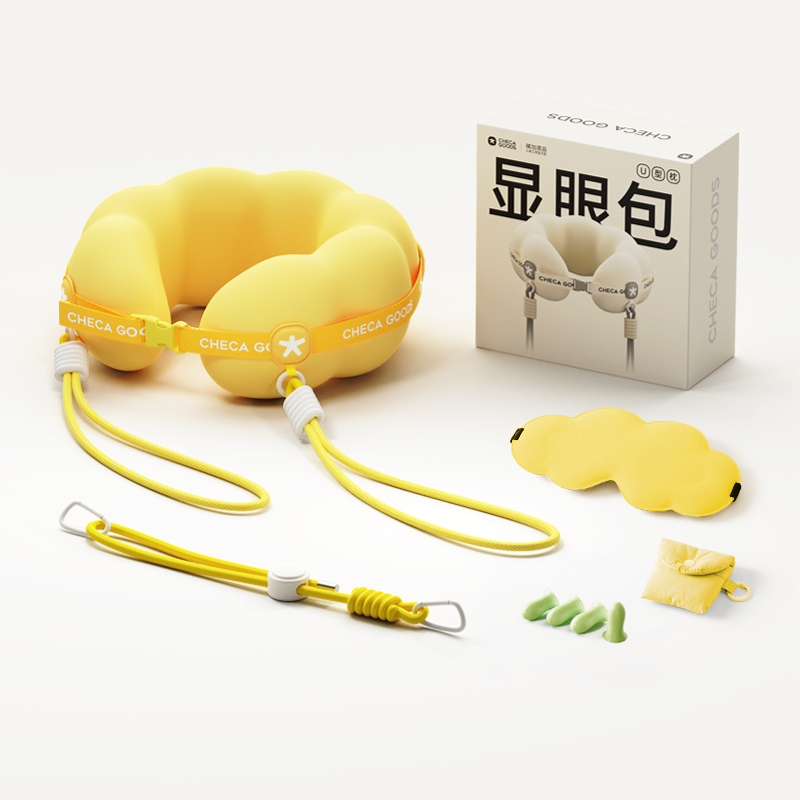
Prolonged sitting has become the norm in today's work environment, leading to widespread lower back pain and discomfort that affects millions of office workers daily. The solution lies in understanding how memory foam lumbar pillows seat cushions can transform your sitting experience by providing targeted support where your body needs it most. These innovative ergonomic accessories are designed to maintain the natural curvature of your spine while reducing pressure points that contribute to chronic pain and fatigue.
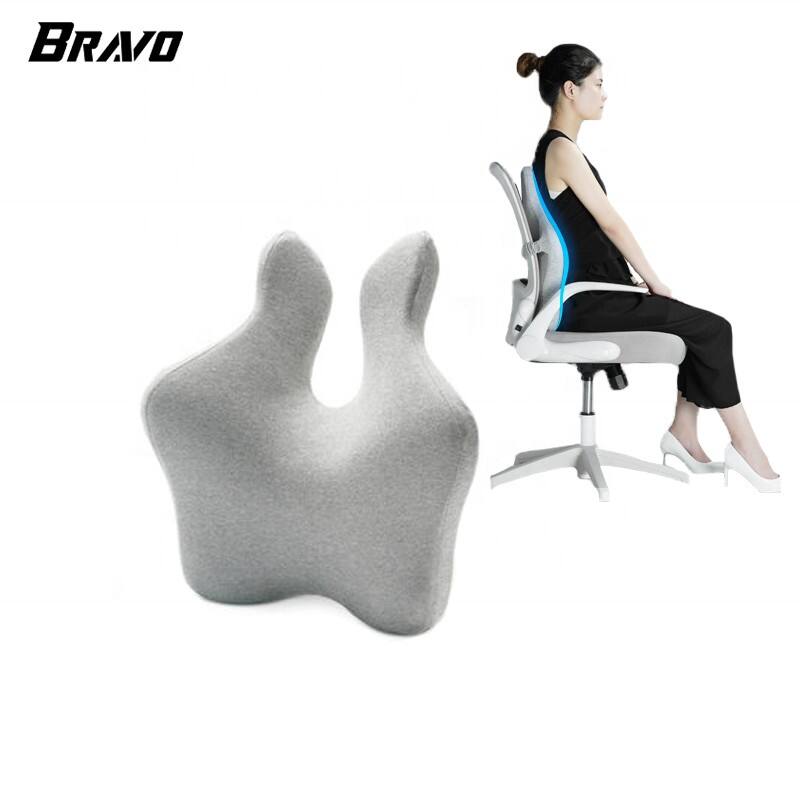
The science behind ergonomic support reveals why traditional office chairs often fall short of providing adequate lumbar support. When you sit for extended periods without proper support, your spine loses its natural S-curve, causing muscles to work harder to maintain posture. This increased muscle tension leads to fatigue, stiffness, and eventually chronic pain that can impact your productivity and overall quality of life.
Memory foam technology offers a revolutionary approach to addressing these issues by conforming to your body's unique contours while maintaining structural integrity. Unlike standard foam padding, memory foam responds to body heat and pressure, creating a customized support system that adapts to your individual anatomy. This personalized fit ensures optimal weight distribution and pressure relief across all contact points.
Understanding the Anatomy of Lower Back Pain
Spinal Alignment and Its Impact on Health
The human spine consists of 33 vertebrae arranged in natural curves that distribute weight evenly and absorb shock during movement. When sitting, the lumbar region bears significant stress, especially when chairs lack adequate support for the lower back's natural inward curve. Poor spinal alignment creates muscle imbalances that radiate throughout the body, affecting not only the lower back but also the neck, shoulders, and hips.
Memory foam lumbar pillows seat cushions address these alignment issues by providing consistent support that encourages proper posture. The viscoelastic properties of memory foam allow it to compress under pressure while maintaining its supportive structure, ensuring that your spine remains in its optimal position throughout the day. This consistent support reduces the workload on postural muscles, preventing the fatigue and tension that contribute to discomfort.
Common Causes of Sitting-Related Back Pain
Extended sitting creates several physiological challenges that contribute to lower back pain. Hip flexors become tight and shortened, pulling on the lumbar spine and creating anterior pelvic tilt. Simultaneously, glutes become weak and inactive, failing to provide the stability and support needed for proper pelvic alignment. These muscular imbalances create a cascade of compensations throughout the kinetic chain.
Traditional seating solutions often exacerbate these problems by failing to accommodate individual body types and postural needs. Memory foam lumbar pillows seat cushions provide targeted support that helps maintain hip flexor length and encourages glute activation by promoting proper pelvic positioning. This dual approach addresses both the immediate symptoms and underlying causes of sitting-related back pain.
Memory Foam Technology and Ergonomic Benefits
How Memory Foam Responds to Body Pressure
Memory foam, originally developed by NASA for spacecraft seating, utilizes temperature-sensitive polymers that soften and conform to body heat and pressure. This unique characteristic allows the material to create a precise impression of your body's contours, distributing weight evenly across the surface area. As pressure is removed, the foam gradually returns to its original shape, maintaining its supportive properties over thousands of compression cycles.
The slow response time of memory foam provides several advantages for ergonomic support. Unlike conventional foam that compresses and rebounds quickly, memory foam's gradual conforming process eliminates pressure points by redistributing force across a larger surface area. This pressure redistribution is particularly beneficial for the sensitive areas of the lower back and tailbone, where concentrated pressure can quickly lead to discomfort and reduced circulation.
Long-Term Health Benefits of Proper Support
Consistent use of quality memory foam lumbar pillows seat cushions provides cumulative health benefits that extend far beyond immediate comfort. Proper spinal alignment reduces disc compression and promotes healthy nutrient flow to intervertebral discs, which rely on movement and pressure changes for nourishment. This improved disc health can slow degenerative processes and reduce the risk of herniation and other structural problems.
Additionally, maintaining proper posture through ergonomic support improves respiratory function by allowing the diaphragm to move freely and the ribcage to expand fully. Better breathing patterns increase oxygen delivery to muscles and tissues, reducing fatigue and improving mental clarity. The psychological benefits of reduced pain and improved comfort also contribute to better mood, increased productivity, and overall quality of life.
Selecting the Right Memory Foam Support System
Key Features to Consider in Lumbar Support
When evaluating memory foam lumbar pillows seat cushions, density and firmness are critical factors that determine both comfort and longevity. Higher density foams provide better support and durability but may feel firmer initially, while lower density options offer softer comfort but may compress more quickly over time. The ideal density typically ranges from 4 to 6 pounds per cubic foot, providing an optimal balance of support and comfort for most users.
Contour design plays an equally important role in effectiveness. The best memory foam lumbar pillows seat cushions feature ergonomic shapes that match the natural curves of the spine and pelvis. Look for products with gradual transitions between different support zones rather than sharp edges or dramatic changes in height, as these can create pressure points rather than alleviating them.
Material Quality and Construction Considerations
The quality of memory foam varies significantly between manufacturers, affecting both performance and durability. Premium memory foam maintains its supportive properties longer and resists permanent indentation, while lower-quality foam may develop body impressions that reduce effectiveness over time. Temperature sensitivity also varies, with higher-quality foams responding more gradually to body heat for optimal conforming without becoming too soft.
Cover materials and construction details significantly impact the user experience of memory foam lumbar pillows seat cushions. Breathable cover fabrics help regulate temperature and prevent heat buildup, while removable and washable covers ensure hygiene and longevity. Reinforced seams and quality zippers indicate attention to construction details that affect long-term durability and user satisfaction.
Proper Positioning and Setup Techniques
Optimal Placement for Maximum Effectiveness
Correct positioning of memory foam lumbar pillows seat cushions is essential for achieving maximum benefit and preventing discomfort. The lumbar pillow should be placed at the natural curve of your lower back, typically between the second and fifth lumbar vertebrae. This positioning provides support where the spine curves inward, maintaining the natural lordotic curve that distributes weight evenly across the vertebrae.
For seat cushions, proper placement involves centering the cushion on the chair seat with your pelvis positioned toward the back third of the cushion. This positioning ensures that your thighs are fully supported while allowing the memory foam to cradle your sitting bones and promote proper pelvic alignment. Avoid positioning the cushion too far forward, as this can create pressure behind the knees and restrict circulation.
Adjustments for Different Body Types
Individual variations in body height, weight, and proportions require customized approaches to positioning memory foam lumbar pillows seat cushions. Taller individuals may need to adjust the vertical position of lumbar support higher on the chair back, while shorter users might benefit from positioning it lower to match their proportions. The key is finding the position where the support aligns with your natural lumbar curve.
Weight distribution also affects optimal positioning and may require periodic adjustments as the memory foam adapts to your body shape. Heavier users might initially experience more compression and need to allow additional time for the foam to conform properly. Lighter users may find that the foam takes longer to warm and soften, requiring patience for optimal comfort to develop.
Integration with Daily Work Routines
Creating Ergonomic Workstation Setups
Successful integration of memory foam lumbar pillows seat cushions into your work routine requires a comprehensive approach to workstation ergonomics. Chair height should be adjusted so that your feet rest flat on the floor with knees at approximately 90 degrees. Monitor height should position the top of the screen at or slightly below eye level to prevent forward head posture that can negate the benefits of lumbar support.
Keyboard and mouse positioning also affects how effectively memory foam lumbar pillows seat cushions can provide support. Armrests should support your forearms with shoulders relaxed and elbows at your sides. This positioning prevents the forward slouching that often occurs when reaching for input devices, allowing the lumbar support to maintain proper spinal alignment throughout computer work.
Movement and Position Changes Throughout the Day
Even with excellent ergonomic support, regular movement remains essential for spinal health and circulation. Memory foam lumbar pillows seat cushions should complement, not replace, regular position changes and brief walking breaks. The support they provide makes it easier to maintain good posture when seated while encouraging awareness of body positioning and comfort levels.
Developing a routine of micro-movements while seated helps maintain circulation and muscle activation. Simple exercises like pelvic tilts, shoulder blade squeezes, and gentle spinal rotations can be performed while using memory foam lumbar pillows seat cushions. These movements help prevent stiffness and maintain the mobility needed for healthy spinal function.
Maintenance and Care for Longevity
Cleaning and Hygiene Protocols
Proper maintenance significantly extends the lifespan and effectiveness of memory foam lumbar pillows seat cushions while ensuring hygienic conditions for daily use. Most quality products feature removable covers that can be machine washed according to manufacturer instructions. Regular washing prevents the buildup of oils, sweat, and bacteria that can degrade materials and create odors over time.
The memory foam core requires different care approaches since it cannot typically be machine washed. Spot cleaning with mild detergent and allowing thorough air drying helps address spills and stains without compromising the foam's structural integrity. Avoid exposing memory foam to excessive heat or direct sunlight during drying, as this can cause the material to break down or lose its supportive properties.
Storage and Protection Strategies
When not in use, memory foam lumbar pillows seat cushions should be stored in cool, dry locations away from direct sunlight and extreme temperatures. Compression for extended periods can affect the foam's ability to return to its original shape, so avoid storing heavy objects on top of cushions. Using breathable storage bags or covers helps protect against dust and moisture while allowing air circulation.
Regular rotation and flipping of memory foam lumbar pillows seat cushions helps distribute wear evenly and maintains optimal support characteristics. While memory foam is designed to return to its original shape, consistent pressure in the same areas can eventually create permanent impressions that reduce effectiveness. Rotating positions periodically helps prevent this localized wear and extends product lifespan.
FAQ
How long does it take for memory foam lumbar pillows seat cushions to conform to my body
Memory foam typically requires 10-15 minutes to warm and begin conforming to your body shape, with full adaptation occurring within 30-45 minutes of continuous use. The exact timing depends on room temperature, your body heat, and the specific density of the foam. Colder environments may require longer adaptation periods, while warmer conditions accelerate the conforming process. Most users notice significant comfort improvements within the first week of regular use as their body adjusts to the improved support.
Can memory foam lumbar pillows seat cushions help with existing back injuries
While memory foam lumbar pillows seat cushions can provide valuable support and pressure relief that may reduce discomfort associated with back injuries, they should complement, not replace, professional medical treatment. The improved spinal alignment and reduced pressure points can help prevent further aggravation of existing conditions while promoting better posture during healing. However, individuals with serious back injuries should consult healthcare providers before making significant changes to their seating arrangements or support systems.
What is the typical lifespan of quality memory foam lumbar pillows seat cushions
High-quality memory foam lumbar pillows seat cushions typically maintain their supportive properties for 3-5 years with regular daily use, though this can vary based on foam density, construction quality, and usage patterns. Signs that replacement may be needed include permanent body impressions that don't recover, loss of firmness, or visible deterioration of cover materials. Proper care and maintenance, including regular cleaning and rotation, can help maximize lifespan and maintain optimal performance throughout the product's usable life.
Are memory foam lumbar pillows seat cushions suitable for all chair types
Memory foam lumbar pillows seat cushions are designed to work with most standard office and dining chairs, though effectiveness may vary depending on chair design and construction. Chairs with existing lumbar support may not require additional pillows, while those with minimal back support benefit significantly from memory foam additions. Seat cushions work well with most chair types but may require adjustment periods to find optimal positioning. Consider chair dimensions and existing features when selecting memory foam lumbar pillows seat cushions to ensure compatibility and maximum benefit.
Table of Contents
- Understanding the Anatomy of Lower Back Pain
- Memory Foam Technology and Ergonomic Benefits
- Selecting the Right Memory Foam Support System
- Proper Positioning and Setup Techniques
- Integration with Daily Work Routines
- Maintenance and Care for Longevity
-
FAQ
- How long does it take for memory foam lumbar pillows seat cushions to conform to my body
- Can memory foam lumbar pillows seat cushions help with existing back injuries
- What is the typical lifespan of quality memory foam lumbar pillows seat cushions
- Are memory foam lumbar pillows seat cushions suitable for all chair types