
 EN
EN



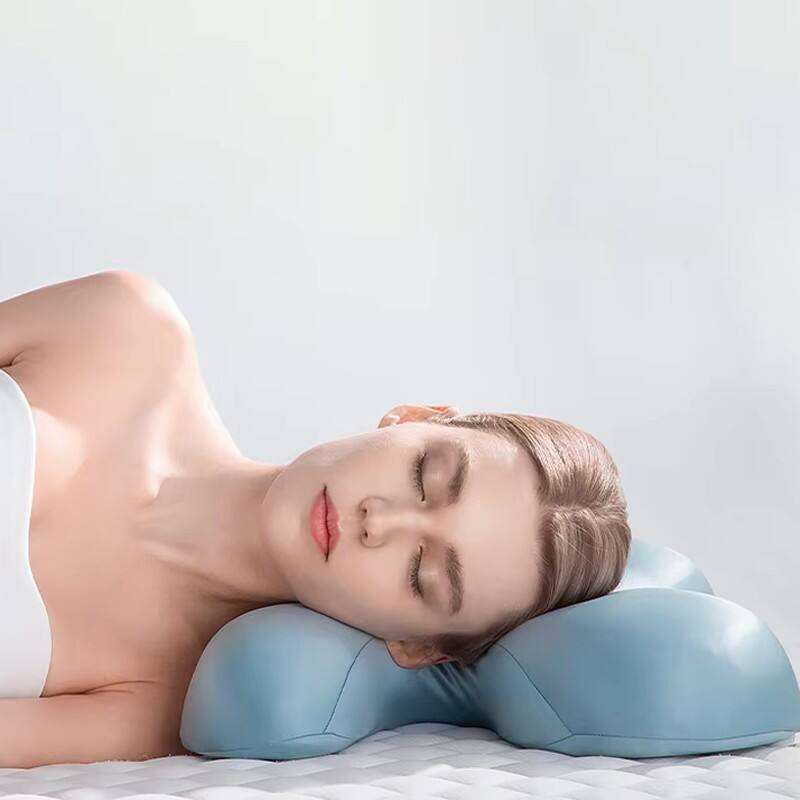
Sleep technology has evolved dramatically over the past decade, with memory foam leading the charge in providing personalized comfort and support. Today's consumers face a critical decision when selecting sleep surfaces: understanding the fundamental differences between gel memory foam vs traditional memory foam options available in the market. This comprehensive analysis explores how these two foam technologies perform across various sleeping scenarios, seasonal conditions, and individual preferences to help you make an informed choice for optimal rest and recovery.
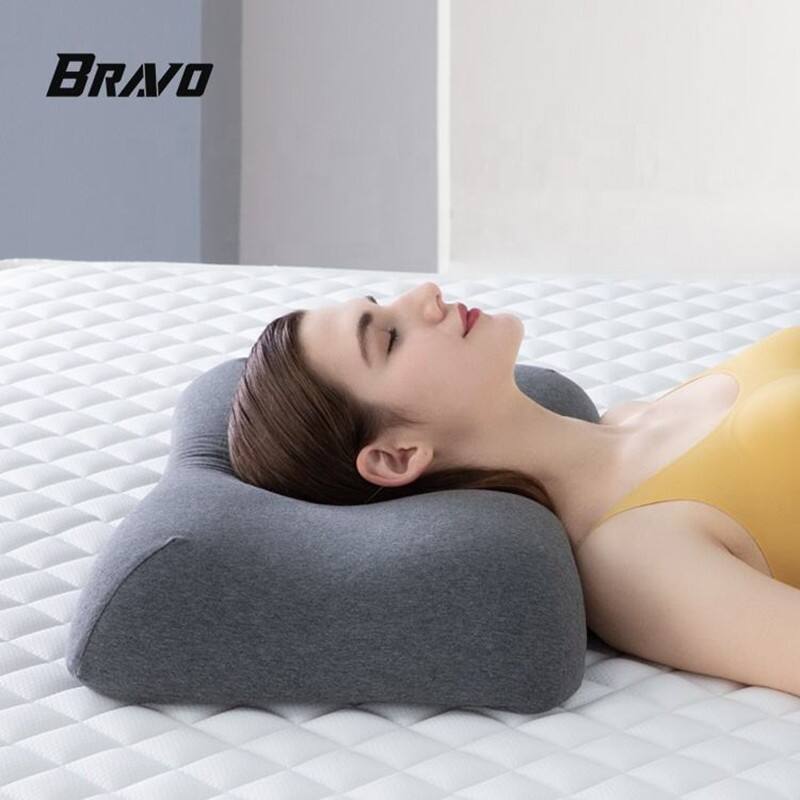
Understanding Memory Foam Technology Fundamentals
Traditional Memory Foam Composition and Properties
Traditional memory foam, also known as viscoelastic foam, was originally developed by NASA in the 1960s for aircraft cushioning applications. This material consists of polyurethane combined with various chemicals that increase density and viscosity. The foam responds to body heat and pressure, creating a customized sleeping surface that conforms to individual body contours. Traditional memory foam typically exhibits slower response times, taking several seconds to return to its original shape after pressure is removed.
The cellular structure of traditional memory foam features closed-cell construction, which provides excellent pressure relief and motion isolation. However, this same structure can trap heat and limit airflow, leading to temperature retention issues that some sleepers find uncomfortable. The density of traditional memory foam ranges from low-density options at 3 pounds per cubic foot to high-density varieties exceeding 5 pounds per cubic foot, with higher densities generally offering better durability and support.
Gel Memory Foam Innovation and Design
Gel memory foam represents an advancement in sleep technology, incorporating gel particles or gel layers into the traditional memory foam matrix. These gel components are designed to address the primary weakness of traditional memory foam: heat retention. The gel infusion creates additional pathways for heat dissipation while maintaining the pressure-relieving properties that make memory foam popular among sleepers seeking therapeutic benefits.
The manufacturing process for gel memory foam involves either mixing gel beads directly into the foam during production or layering gel materials on top of traditional memory foam cores. Some manufacturers use phase-change materials in their gel formulations, which actively absorb and release heat to maintain consistent sleeping temperatures. When evaluating gel memory foam vs traditional memory foam options, the gel technology significantly impacts thermal regulation without compromising the conforming characteristics that define quality memory foam products.
Temperature Regulation and Seasonal Performance
Summer Sleeping Conditions and Heat Management
During warmer months, temperature regulation becomes a critical factor in sleep quality and comfort. Traditional memory foam tends to retain body heat due to its dense cellular structure, which can create an uncomfortable sleeping environment when ambient temperatures rise. The material's heat-sensitive properties, while beneficial for contouring, can lead to excessive warmth buildup that disrupts sleep patterns and reduces overall comfort.
Gel memory foam demonstrates superior performance in summer conditions through its enhanced thermal conductivity. The gel components actively draw heat away from the body, creating a cooler sleeping surface that maintains comfort throughout the night. Studies indicate that gel-infused memory foam can reduce surface temperatures by 2-5 degrees compared to traditional alternatives. This temperature differential can significantly impact sleep quality, particularly for individuals who naturally sleep warm or live in climates with consistently high temperatures.
Winter Comfort and Adaptive Properties
Cold weather presents different challenges for memory foam performance, as lower temperatures can cause traditional memory foam to become firmer and less responsive. This temperature sensitivity may reduce the material's ability to contour effectively during winter months, potentially leading to pressure points and reduced comfort. However, traditional memory foam's heat retention properties can provide beneficial warmth during colder seasons, creating a cozy sleeping environment.
The comparison between gel memory foam vs traditional memory foam in winter conditions reveals interesting performance characteristics. While gel memory foam maintains more consistent firmness across temperature ranges, it may feel initially cooler to the touch in cold environments. However, advanced gel formulations are designed to reach optimal comfort temperatures quickly, providing the benefits of temperature regulation without sacrificing warmth when needed. The adaptive nature of quality gel memory foam ensures year-round comfort regardless of seasonal temperature fluctuations.
Support Characteristics and Pressure Relief Analysis
Spinal Alignment and Postural Support
Both gel and traditional memory foam excel at providing pressure relief and supporting proper spinal alignment, but they achieve these benefits through slightly different mechanisms. Traditional memory foam creates deep contouring that can feel more enveloping, slowly molding to body shape as it warms from body heat. This characteristic makes it particularly effective for side sleepers who need significant pressure relief at the hips and shoulders.
Gel memory foam offers similar pressure-relieving benefits while maintaining slightly more consistent support characteristics. The gel infusion can help prevent excessive sinking that sometimes occurs with traditional memory foam, particularly in higher-density formulations. This balance makes gel memory foam an excellent choice for combination sleepers who change positions throughout the night, as it provides adequate contouring without creating the trapped feeling that some experience with traditional alternatives.
Motion Isolation and Partner Disturbance
Motion isolation represents a key strength for memory foam technologies, and both gel and traditional varieties perform exceptionally well in minimizing partner disturbance. Traditional memory foam's slow response time and dense structure create excellent motion absorption, making it difficult for movement on one side of the bed to transfer to the other side. This characteristic benefits couples where one partner is a restless sleeper or maintains different sleep schedules.
When analyzing gel memory foam vs traditional memory foam for motion isolation, gel varieties maintain comparable performance while offering slightly faster recovery times. The gel components don't significantly compromise motion absorption capabilities, ensuring that couples can enjoy undisturbed sleep while benefiting from improved temperature regulation. Some premium gel memory foam formulations actually enhance motion isolation through advanced cell structures that further dampen movement transmission.
Durability and Longevity Considerations
Material Degradation and Lifespan Expectations
The longevity of memory foam products depends on various factors including density, manufacturing quality, and usage patterns. Traditional memory foam with higher density ratings typically offers superior durability, with quality products maintaining their supportive properties for 8-12 years under normal use conditions. Lower-density traditional memory foam may show signs of body impressions or loss of support within 5-7 years, particularly in areas of concentrated pressure.
Gel memory foam durability varies based on the type and quality of gel infusion used in manufacturing. High-quality gel memory foam products demonstrate comparable longevity to traditional alternatives, with proper gel integration actually enhancing structural integrity in some formulations. However, lower-quality gel infusions may separate from the foam matrix over time, potentially creating uneven surfaces or comfort inconsistencies. When comparing gel memory foam vs traditional memory foam for long-term value, focusing on manufacturer reputation and warranty terms provides the most reliable durability indicators.
Maintenance Requirements and Care Considerations
Both gel and traditional memory foam require minimal maintenance to preserve their performance characteristics and extend lifespan. Regular rotation helps prevent uneven wear patterns, while proper foundation support ensures optimal durability for both foam types. Traditional memory foam may require slightly more attention to ventilation and air circulation to prevent moisture accumulation that could lead to odor or degradation issues.
Gel memory foam often features enhanced breathability that reduces maintenance requirements related to moisture management. The improved airflow characteristics help prevent the development of odors and maintain freshness over extended periods. However, both foam types benefit from protective covers and regular cleaning according to manufacturer guidelines. Understanding these maintenance differences helps consumers make informed decisions when evaluating gel memory foam vs traditional memory foam options for their specific living situations and lifestyle preferences.
Cost Analysis and Value Proposition
Initial Investment and Price Differences
The cost differential between gel and traditional memory foam products reflects the additional technology and manufacturing complexity involved in gel infusion processes. Traditional memory foam generally offers more budget-friendly entry points, with quality options available across a wide price spectrum. Basic traditional memory foam products can provide excellent value for consumers prioritizing pressure relief and support over advanced temperature regulation features.
Gel memory foam typically commands premium pricing due to the additional materials and processing required for gel integration. However, the price gap has narrowed considerably as manufacturing techniques have improved and competition has increased in the sleep industry. When evaluating gel memory foam vs traditional memory foam from a cost perspective, consumers should consider their specific needs, sleeping preferences, and the potential long-term benefits of improved temperature regulation against the higher initial investment.
Long-term Value and Return on Investment
The true value proposition for memory foam products extends beyond initial purchase price to encompass sleep quality improvement, health benefits, and product longevity. Traditional memory foam provides excellent value for individuals whose primary concerns include pressure relief and motion isolation without significant temperature regulation needs. The lower initial cost combined with proven durability makes traditional memory foam an attractive option for budget-conscious consumers.
For sleepers who experience temperature-related sleep disruptions, the premium cost of gel memory foam vs traditional memory foam may be justified by improved sleep quality and the associated health benefits. Better sleep can lead to improved cognitive function, enhanced immune system performance, and reduced healthcare costs over time. Additionally, the improved comfort provided by gel memory foam may extend the useful life of the product by maintaining user satisfaction longer than traditional alternatives that may become uncomfortably warm over time.
Application-Specific Recommendations
Matching Foam Types to Sleeping Styles
Different sleeping positions and personal preferences benefit from specific memory foam characteristics, making the choice between gel and traditional varieties highly individual. Side sleepers often prefer traditional memory foam's deeper contouring capabilities, which provide excellent pressure relief at the hips and shoulders. The enveloping feel of traditional memory foam can help maintain proper spinal alignment for side sleepers while reducing pressure points that commonly cause discomfort.
Back and stomach sleepers may find gel memory foam more suitable due to its slightly firmer feel and consistent support characteristics. The enhanced responsiveness of gel memory foam helps prevent excessive sinking that could compromise spinal alignment for these sleeping positions. Combination sleepers who change positions frequently throughout the night often appreciate gel memory foam's balanced approach to contouring and support, making position changes easier while maintaining comfort across different sleeping orientations.
Climate and Environmental Considerations
Geographic location and local climate conditions significantly influence the optimal choice between gel memory foam vs traditional memory foam products. Residents of consistently warm climates or individuals living in homes without reliable air conditioning may find gel memory foam essential for comfortable sleep throughout the year. The cooling properties of gel-infused foam can make the difference between restful sleep and nights spent tossing and turning due to heat retention.
Conversely, individuals in colder climates or those who naturally sleep cold may prefer traditional memory foam's heat-retaining properties. The cozy warmth provided by traditional memory foam can enhance comfort during winter months and create a welcoming sleep environment in naturally cool bedrooms. Some consumers in moderate climates choose to alternate between gel and traditional memory foam products seasonally, though this approach requires significant investment and storage space for off-season products.
FAQ
How long does it take for gel memory foam to reach optimal comfort temperature
Gel memory foam typically reaches optimal comfort temperature within 10-15 minutes of initial contact, significantly faster than traditional memory foam which may require 20-30 minutes to fully warm and contour. The gel components help regulate temperature more quickly, providing immediate comfort while gradually adapting to body heat for personalized support. High-quality gel memory foam products are designed to maintain consistent comfort temperatures throughout the night, preventing the heat buildup that can occur with traditional alternatives.
Can gel memory foam lose its cooling properties over time
Quality gel memory foam products maintain their cooling properties for the entire lifespan of the mattress when manufactured with integrated gel systems. Gel beads or layers that are properly bonded to the foam matrix during production remain effective indefinitely under normal use conditions. However, lower-quality gel infusions may separate or degrade over time, potentially reducing cooling effectiveness. Purchasing from reputable manufacturers with strong warranty coverage helps ensure long-term performance of gel memory foam cooling features.
Which memory foam type is better for people with back pain
Both gel memory foam vs traditional memory foam can provide excellent support for individuals with back pain, but the optimal choice depends on specific pain causes and personal preferences. Traditional memory foam offers deep contouring that can relieve pressure points contributing to back discomfort, while gel memory foam provides similar pressure relief with more consistent support characteristics. Individuals whose back pain is exacerbated by sleeping hot may find gel memory foam more beneficial, while those who need maximum contouring may prefer traditional varieties.
Do gel and traditional memory foam require different types of foundations
Both gel and traditional memory foam perform best on solid, supportive foundations that provide even weight distribution without restricting airflow. Platform beds, adjustable bases, and solid foundation systems work equally well for both foam types. However, gel memory foam may benefit slightly from foundations that promote air circulation, as enhanced breathability complements the cooling properties of gel infusion. Avoiding foundations with large gaps between slats is important for both foam types to prevent sagging and maintain proper support characteristics throughout the product lifespan.