
 EN
EN



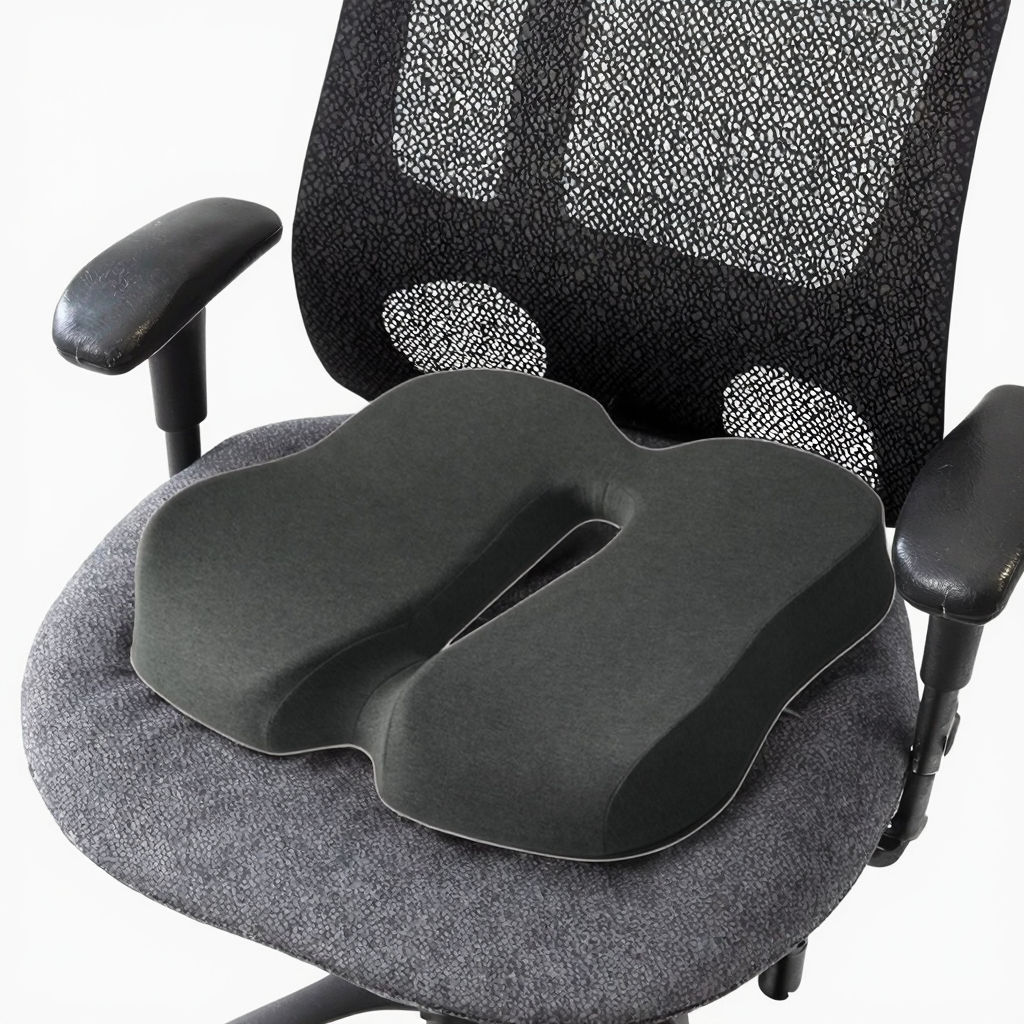
The global demand for memory foam products continues to surge across industries, from healthcare and automotive to consumer goods and furniture. However, sourcing memory foam with low minimum order quantities presents unique challenges that can significantly impact both profitability and sustainability. Many businesses struggle with excessive packaging waste, unnecessary accessories, and inefficient supply chain management when working with smaller batch orders. Understanding how to navigate these complexities while maintaining product quality and cost-effectiveness is crucial for modern manufacturers and distributors seeking competitive advantages in today's market.
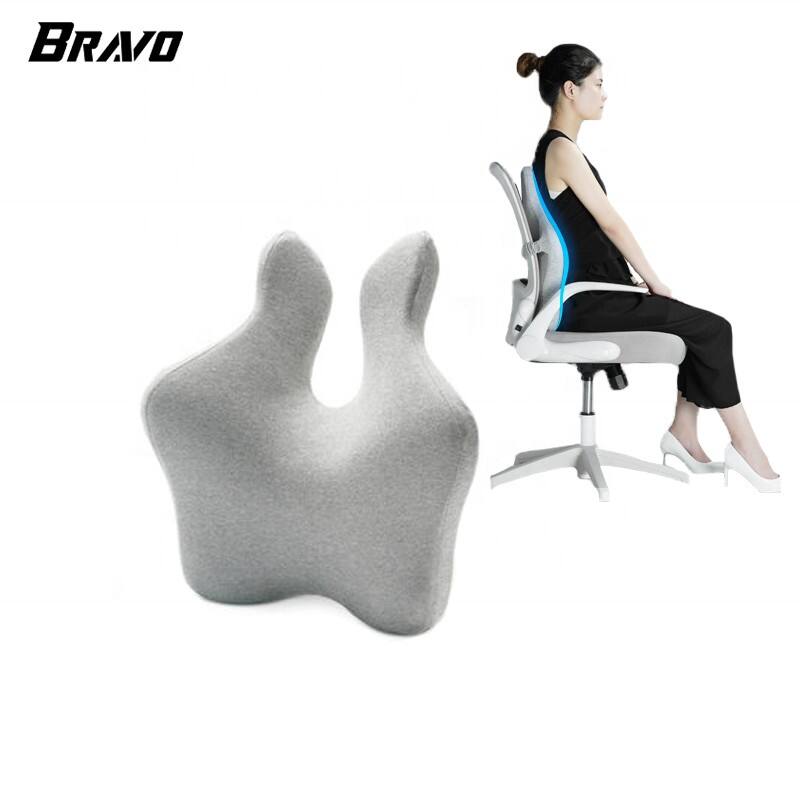
Understanding Low-MOQ Memory Foam Procurement Challenges
Market Dynamics and Supply Chain Complexities
Low minimum order quantity sourcing has revolutionized how businesses approach memory foam procurement, enabling smaller companies to access premium materials without massive upfront investments. Traditional manufacturing models often required substantial order volumes, creating barriers for startups, specialty manufacturers, and businesses testing new product lines. Today's flexible sourcing options allow for orders as small as 50-100 units, democratizing access to high-quality memory foam materials across various applications.
The shift toward low-MOQ sourcing reflects broader market trends favoring agility and customization over bulk purchasing. Companies can now respond rapidly to changing consumer preferences, seasonal demands, and emerging market opportunities without committing to large inventory investments. This flexibility becomes particularly valuable when developing niche products or entering new geographical markets where demand patterns remain uncertain.
However, reduced order quantities introduce complexity in supplier relationships, quality control, and logistical coordination. Memory foam manufacturers must balance production efficiency with customer flexibility, often resulting in higher per-unit costs and increased administrative overhead. Understanding these dynamics helps buyers make informed decisions about sourcing strategies and supplier partnerships.
Cost Structure Implications for Small Batch Orders
Small batch memory foam orders typically carry higher per-unit costs due to setup fees, tooling requirements, and reduced production efficiency. Manufacturers must recoup fixed costs across fewer units, leading to pricing structures that can impact project profitability. Smart buyers recognize these realities and factor them into their product development and pricing strategies from the outset.
Packaging represents a significant cost component in low-MOQ orders, often accounting for 15-25% of total product costs compared to 5-10% in large volume orders. Suppliers frequently use standard packaging configurations designed for larger shipments, resulting in oversized containers, excessive protective materials, and inflated shipping costs. These inefficiencies compound when orders include multiple product variations or custom specifications requiring individual packaging approaches.
Accessory bundling presents another cost challenge, as suppliers may include standard accessories or components that aren't necessary for specific applications. Memory foam products often come with covers, adhesive strips, instruction manuals, or promotional materials that add value in retail contexts but create waste in B2B applications. Identifying and eliminating unnecessary accessories can reduce costs by 10-20% while improving packaging efficiency.
Strategic Packaging Optimization Approaches
Right-Sizing Packaging Solutions
Effective packaging optimization begins with accurate dimensional analysis and material requirements assessment. Memory foam's unique properties, including compression recovery and temperature sensitivity, require specific packaging considerations that balance protection with efficiency. Working closely with suppliers to develop custom packaging specifications can eliminate waste while ensuring product integrity throughout the supply chain.
Modular packaging systems offer significant advantages for low-MOQ orders, allowing suppliers to combine multiple small orders into optimized shipping configurations. These systems utilize standardized container sizes and protective materials that can accommodate various product dimensions and quantities. By coordinating with suppliers on packaging standards, buyers can achieve economies of scale even with smaller individual orders.
Compression packaging technology has emerged as a game-changer for memory foam shipments, reducing package volumes by up to 80% while maintaining product quality. This approach requires specialized vacuum packaging equipment and careful material selection but delivers substantial savings in shipping costs and storage requirements. The compressed products expand to full dimensions upon unpacking, eliminating concerns about permanent deformation or quality degradation.
Sustainable Packaging Material Selection
Environmental considerations increasingly influence packaging decisions, with many companies adopting sustainable materials and practices to reduce their ecological footprint. Memory foam packaging traditionally relied on petroleum-based plastics and foam inserts, but innovative alternatives now provide comparable protection with improved sustainability profiles. Biodegradable films, recycled cardboard inserts, and plant-based protective materials offer viable options for environmentally conscious buyers.
Reusable packaging systems represent an advanced approach to waste reduction, particularly effective for recurring orders or established supplier relationships. These systems utilize durable containers, protective inserts, and modular components that return to suppliers for repeated use. While initial costs are higher, the long-term savings and environmental benefits make reusable packaging attractive for companies with predictable ordering patterns.
Packaging material optimization requires careful consideration of memory foam's specific characteristics, including density variations, temperature sensitivity, and compression properties. Different grades of memory foam require different protective approaches, with high-density materials needing minimal protection while low-density foams require more substantial cushioning. Matching packaging materials to product specifications ensures adequate protection without excessive waste or cost.
Accessory Management and Customization Strategies
Identifying Essential versus Optional Components
Successful memory foam sourcing requires careful evaluation of included accessories to distinguish between essential components and optional additions that increase costs without adding value. Standard product configurations often include items like decorative covers, instruction booklets, warranty cards, and promotional materials that serve retail customers but provide little benefit in B2B applications or specific use cases.
Technical accessories such as adhesive backing, mounting hardware, or specialized covers may be essential for certain applications while unnecessary for others. Memory foam cushions intended for automotive applications require different accessories than those designed for medical or furniture use. Clear communication with suppliers about intended end-use helps eliminate irrelevant components while ensuring necessary accessories are included.
Documentation and certification requirements vary significantly across industries and markets, making it important to specify exactly which materials are needed. Medical-grade memory foam applications may require detailed material safety data sheets and compliance certificates, while industrial applications might need different documentation. Avoiding unnecessary paperwork and certifications reduces administrative costs and processing time.
Custom Accessory Procurement Strategies
Developing relationships with specialized accessory suppliers often provides better value than accepting bundled components from memory foam manufacturers. Separate sourcing allows for optimized specifications, competitive pricing, and reduced minimum order quantities for accessories that don't need to match memory foam order volumes. This approach requires additional supplier management but offers significant cost savings and customization opportunities.
Standardization across product lines helps achieve economies of scale even with low-MOQ orders by utilizing common accessories across multiple memory foam products. Companies can develop standard covers, mounting systems, or protective materials that work with various foam specifications, allowing for larger accessory orders while maintaining flexibility in core product sourcing.
Just-in-time accessory delivery coordination ensures that memory foam and associated components arrive simultaneously without requiring excess inventory storage. This approach minimizes working capital requirements while ensuring production schedules remain on track. Effective coordination requires clear communication channels and shared scheduling systems between multiple suppliers.
Supplier Relationship Management for Optimal Outcomes
Communication Protocols and Expectation Setting
Establishing clear communication protocols with memory foam suppliers prevents misunderstandings that lead to packaging waste and unnecessary accessories. Detailed purchase orders should specify packaging requirements, accessory inclusions, and any special handling instructions to ensure suppliers understand exact requirements. Regular communication helps identify opportunities for optimization and prevents recurring problems.
Collaborative planning sessions with suppliers can reveal innovative approaches to packaging and accessory management that benefit both parties. Suppliers often have insights into packaging alternatives, bulk purchasing opportunities, and process improvements that aren't immediately apparent to buyers. These partnerships can lead to significant cost savings and waste reduction over time.
Performance metrics and feedback systems help maintain high standards while encouraging continuous improvement in packaging and accessory management. Tracking metrics such as packaging efficiency, accessory accuracy, and waste reduction provides objective data for supplier evaluation and process optimization. Regular performance reviews ensure that improvement opportunities are identified and implemented consistently.
Long-term Partnership Development
Building strategic partnerships with memory foam suppliers creates opportunities for customized packaging solutions and accessory optimization that aren't available through transactional relationships. Long-term partners are more willing to invest in specialized packaging equipment, develop custom accessories, and implement process improvements that benefit specific customer requirements.
Volume commitments across multiple small orders can provide leverage for packaging and accessory negotiations similar to large single orders. Annual purchase agreements with flexible delivery schedules allow suppliers to achieve production efficiencies while buyers maintain order flexibility. These arrangements often result in better pricing, customized packaging, and reduced minimum accessory quantities.
Technology integration between buyer and supplier systems enables automated ordering, inventory management, and packaging optimization. Shared forecasting data helps suppliers plan production and packaging requirements more efficiently, while automated reordering systems ensure consistent packaging specifications across multiple orders. These integrations reduce administrative overhead while improving order accuracy and consistency.
Quality Control and Compliance Considerations
Maintaining Standards with Reduced Packaging
Packaging optimization efforts must carefully balance waste reduction with product protection to ensure memory foam quality remains uncompromised throughout the supply chain. Memory foam's viscoelastic properties make it sensitive to temperature extremes, humidity, and physical compression that could affect performance characteristics. Reduced packaging must still provide adequate protection against these environmental factors during shipping and storage.
Quality control protocols should include specific tests for products shipped with optimized packaging to verify that cost reduction efforts don't compromise product integrity. Temperature cycling tests, compression recovery measurements, and durability assessments help ensure that streamlined packaging maintains protective effectiveness. These tests become particularly important when implementing new packaging materials or configurations.
Traceability systems must account for packaging variations and accessory configurations to maintain quality records and compliance documentation. Different packaging approaches may affect product identification, lot tracking, and compliance verification processes. Robust documentation systems ensure that packaging optimization doesn't compromise regulatory compliance or quality management requirements.
Regulatory Compliance Across Markets
International memory foam markets have varying requirements for packaging materials, labeling, and included documentation that must be considered when optimizing packaging and accessories. European markets may require specific recyclability markings, while North American markets might have different fire safety documentation requirements. Understanding these variations prevents costly compliance issues and shipping delays.
Industry-specific regulations often mandate particular accessories or documentation that cannot be eliminated through optimization efforts. Medical applications typically require specific material certifications and biocompatibility documentation, while automotive applications may need different technical specifications and testing reports. Compliance requirements must be clearly understood before implementing packaging or accessory reduction strategies.
Certification management becomes more complex with customized packaging and accessory configurations, requiring careful coordination between suppliers and certification bodies. Changes to standard packaging or accessory configurations may trigger recertification requirements or additional compliance testing. Planning for these requirements prevents unexpected delays and costs during implementation.
Implementation Best Practices and Monitoring
Phased Implementation Approaches
Successful packaging and accessory optimization requires careful implementation planning that minimizes disruption to existing operations while achieving desired cost and waste reduction goals. Phased approaches allow for testing and refinement of new packaging configurations before full deployment, reducing risk and enabling continuous improvement based on real-world experience.
Pilot programs with selected memory foam products or suppliers provide valuable data on packaging performance, cost savings, and potential issues before broader implementation. These pilots should include comprehensive tracking of packaging costs, waste generation, product quality, and customer satisfaction to ensure optimization efforts deliver expected benefits. Lessons learned from pilot programs inform broader rollout strategies and help avoid common pitfalls.
Change management processes ensure that internal teams understand new packaging and accessory specifications while suppliers receive clear guidance on implementation requirements. Training programs, updated documentation, and communication plans help smooth transitions while preventing confusion that could lead to errors or delays. Effective change management reduces implementation costs and accelerates benefit realization.
Continuous Improvement and Monitoring Systems
Ongoing monitoring systems track packaging efficiency, waste reduction, and cost savings to ensure optimization efforts continue delivering value over time. Key performance indicators should include packaging cost per unit, waste generation rates, shipping efficiency metrics, and quality incident tracking. Regular monitoring identifies opportunities for further improvement while detecting problems before they become significant issues.
Feedback collection from internal teams, suppliers, and customers provides insights into packaging and accessory optimization effectiveness that may not be captured through quantitative metrics alone. User experience feedback helps identify practical issues with new packaging configurations while supplier input reveals opportunities for further optimization or potential problems with current approaches.
Technology solutions can automate much of the monitoring and analysis required for effective packaging optimization management. Inventory management systems can track packaging costs and waste generation, while shipping systems provide data on efficiency improvements and delivery performance. Advanced analytics help identify trends and opportunities that might not be apparent through manual analysis methods.
FAQ
What are the typical cost savings achievable through packaging optimization in low-MOQ memory foam orders
Companies typically achieve 15-30% reduction in total packaging costs through systematic optimization efforts, with additional savings of 10-20% from eliminating unnecessary accessories. The exact savings depend on current packaging efficiency, order volumes, and the extent of optimization implemented. Shipping cost reductions often provide the most significant savings, particularly for compressed packaging solutions that can reduce shipping volumes by 60-80%.
How does packaging optimization affect memory foam product quality and warranty coverage
Properly implemented packaging optimization maintains or improves product quality by eliminating over-packaging that can cause compression damage while ensuring adequate protection against environmental factors. Most memory foam manufacturers support packaging optimization efforts as long as minimum protection requirements are met and proper testing validates new packaging configurations. Warranty coverage typically remains unchanged when packaging modifications follow manufacturer guidelines and maintain product integrity.
What are the minimum order quantities typically required for custom packaging solutions
Custom packaging solutions for memory foam products typically require minimum orders of 500-1000 units, though some suppliers offer modular systems with lower minimums of 100-200 units. The exact requirements depend on packaging complexity, material specifications, and supplier capabilities. Many companies achieve custom packaging benefits by coordinating orders across multiple products or time periods to meet minimum requirements.
How can companies ensure regulatory compliance when optimizing packaging and accessories
Regulatory compliance requires careful review of applicable standards and requirements before implementing packaging or accessory changes, followed by appropriate testing and documentation to verify continued compliance. Working with experienced suppliers and compliance consultants helps identify requirements and develop compliant solutions. Many companies maintain compliance by focusing optimization efforts on non-regulated packaging components while preserving required elements such as safety documentation and regulatory markings.
Table of Contents
- Understanding Low-MOQ Memory Foam Procurement Challenges
- Strategic Packaging Optimization Approaches
- Accessory Management and Customization Strategies
- Supplier Relationship Management for Optimal Outcomes
- Quality Control and Compliance Considerations
- Implementation Best Practices and Monitoring
-
FAQ
- What are the typical cost savings achievable through packaging optimization in low-MOQ memory foam orders
- How does packaging optimization affect memory foam product quality and warranty coverage
- What are the minimum order quantities typically required for custom packaging solutions
- How can companies ensure regulatory compliance when optimizing packaging and accessories