
 EN
EN



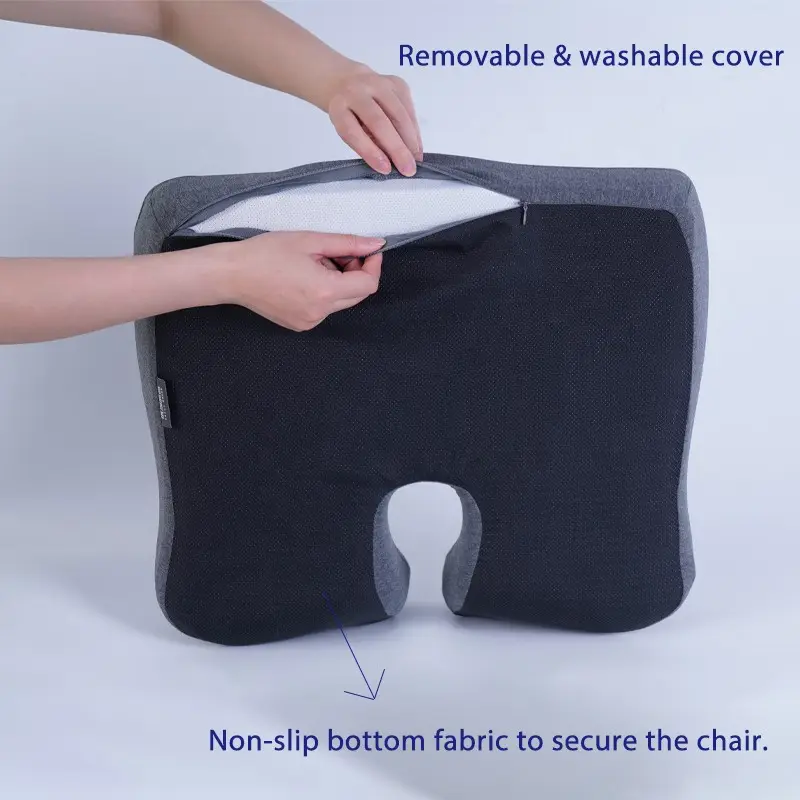
For small and mid-sized retailers, managing inventory for a memory foam pillow product line has historically been a source of constant stress. Minimum order quantities feel punishingly high, lead times stretch unpredictably, and a single shift in consumer demand can leave shelves overstocked with slow-moving items or completely bare when customers are ready to buy. The traditional supply chain model was simply not designed with agility in mind, and for businesses that cannot afford to tie up capital in large warehouse volumes, this creates a painful operational bottleneck that limits growth.

The good news is that the landscape for sourcing a memory foam pillow and related small foam products is changing fast. A new generation of supply chain models built around small-batch production and fast-response fulfillment is giving businesses real flexibility. Whether you run an e-commerce store, a specialty sleep shop, or a wellness brand, understanding how these responsive supply chains work — and how to leverage them — can transform inventory management from a burden into a competitive advantage.
The Inventory Problem Unique to Memory Foam Small Products
Why Traditional Supply Chains Fail Small-Format Foam Goods
The core challenge with sourcing any memory foam pillow or small foam product through conventional channels is the mismatch between production economics and retail reality. Factories traditionally optimize for long production runs because setup costs, raw material commitments, and labor scheduling all benefit from volume. This means minimum order quantities are often set at levels that make sense for large distributors but are financially risky for independent retailers or emerging brands.
When a buyer is forced to commit to hundreds or thousands of units upfront, they are making a significant bet on consumer behavior that may not pay off. A memory foam pillow that sells well in one season may lose momentum as new designs, materials, or ergonomic features enter the market. Holding excess stock ties up working capital, occupies valuable warehouse space, and often leads to markdown cycles that erode margins before a seller can recover costs.
Small foam products also carry specific logistical complications. Their compressibility means packaging dimensions can vary widely, and vacuum-seal options add complexity to the production and fulfillment chain. Without a supplier who understands these nuances and can move quickly, even a well-planned inventory strategy can be derailed by avoidable delays.
Demand Volatility and the Cost of Getting It Wrong
Consumer preferences in the sleep and comfort segment shift rapidly. A memory foam pillow that earns positive reviews on a major retail platform can spike in demand within days, while an outdated shape or cover material can stall completely with little warning. For businesses operating on thin margins, the consequences of misjudging this demand curve are immediate and painful.
Overstocking means cash flow problems and storage costs. Understocking means missed revenue, frustrated customers, and potential damage to seller ratings on competitive e-commerce platforms. Neither outcome is acceptable for businesses trying to grow, and both are symptoms of a supply chain that cannot flex quickly enough to match real-world demand patterns.
This is precisely why the small-batch, fast-response model has gained such traction. Rather than predicting demand far in advance and ordering accordingly, businesses can now source a memory foam pillow or related product in smaller, more frequent batches that stay closely aligned with what customers are actually buying right now.
How Small-Batch Fast-Response Supply Chains Actually Work
The Mechanics of Low-MOQ Production for Foam Products
A true small-batch supply chain for a memory foam pillow is not simply a factory that agreed to cut its minimum order quantity by half. It is a fundamentally different production architecture. Manufacturers operating in this model invest in flexible production lines, modular tooling, and raw material pre-staging that allows them to switch between SKUs quickly without the cost penalties that make short runs economically prohibitive in traditional setups.
Pre-cut foam blocks, standardized core densities, and interchangeable cover options are key enablers. When a buyer wants to order a specific memory foam pillow in a cervical contour shape with a bamboo cover, a fast-response supplier can draw from pre-prepared components rather than initiating a full production cycle from raw foam sheets. This dramatically compresses the time between order placement and shipment readiness.
Quality control in this model is also adapted for speed. Rather than batch-end inspections that can delay shipment, inline quality checks during production allow issues to be caught and corrected without halting the entire run. For buyers, this means faster turnaround without sacrificing the consistency that defines a reliable memory foam pillow product.
Fast Fulfillment Logistics for Time-Sensitive Orders
Production speed alone does not solve the inventory anxiety problem. Fulfillment logistics must match the pace of manufacturing for a fast-response supply chain to deliver its full value. This means partnering with freight forwarders and domestic logistics providers who specialize in moving small, frequent shipments rather than full-container-load volumes.
For a memory foam pillow seller operating in a fast-moving e-commerce environment, the ability to receive a 200-unit restock shipment within a predictable window — rather than waiting 60 to 90 days for a larger order to be produced and shipped — fundamentally changes how inventory can be managed. Buffer stock requirements shrink, forecasting pressure decreases, and the overall working capital tied to inventory drops significantly.
Digital order management systems that provide real-time visibility into production status and shipment tracking are also critical components of this model. When a buyer can see exactly where their memory foam pillow order stands at any moment, the anxiety of inventory management is replaced by confident, data-informed replenishment decisions.
Business Benefits of a Responsive Supply Model for Memory Foam Products
Capital Efficiency and Reduced Financial Risk
One of the most immediate and measurable benefits of adopting a small-batch supply chain for a memory foam pillow product line is the improvement in capital efficiency. When order quantities are smaller and lead times are shorter, the amount of money locked up in inventory at any given time decreases substantially. This freed capital can be reinvested in marketing, product development, or other areas of the business that drive growth.
The risk profile of each purchasing decision also improves significantly. Committing to 150 units of a new memory foam pillow design carries far less financial exposure than committing to 1,500 units. If the product performs well, a fast-response supplier can replenish quickly. If it underperforms, the loss is contained and the business can pivot without the burden of clearing a massive overstock position.
This risk-adjusted approach to inventory is not just about protecting the downside — it actively enables a more entrepreneurial product strategy. Sellers can test new materials, shapes, and cover combinations with real market data before making larger bets, which leads to a stronger, more competitive product portfolio over time.
Competitive Agility in the Sleep and Wellness Market
The sleep and wellness category is one of the most dynamic segments in consumer goods. New research on sleep ergonomics, evolving consumer preferences around sustainable materials, and the constant stream of product innovation mean that a memory foam pillow seller who cannot adapt quickly is at a structural disadvantage. A responsive supply chain is not just an operational tool — it is a strategic asset.
Businesses that can introduce a new contour design or a new cover material quickly in response to market signals will consistently outperform competitors who are locked into long production cycles and large batch commitments. The memory foam pillow market rewards freshness and relevance, and a fast-response supply model makes it possible to stay current without gambling on large inventory positions.
There is also a meaningful advantage in customer satisfaction metrics. When a product is consistently available, ships on time, and arrives in good condition, it generates positive reviews and repeat purchases. A supply chain that supports reliable availability for a memory foam pillow is ultimately a customer experience investment, not just a logistics choice.
Evaluating Suppliers and Setting Up Your Small-Batch Supply Relationship
Key Criteria for Identifying a Fast-Response Foam Supplier
Not every manufacturer who claims to offer small-batch production has actually built the operational infrastructure to deliver on that promise. When evaluating a potential supply partner for a memory foam pillow product line, it is important to ask specific operational questions rather than accepting general assurances. How quickly can they turnaround a repeat order? What is the realistic minimum order quantity per SKU? How do they manage raw material availability to support short notice orders?
Transparency in production scheduling is a strong indicator of a genuinely responsive supplier. A manufacturer who can tell you exactly how many production slots are available in a given week, and who communicates proactively when capacity is tight, is operating with the kind of operational visibility that makes fast-response supply chains function reliably. For a memory foam pillow buyer, this transparency translates directly into better planning and fewer unpleasant surprises.
Certifications related to foam material safety, such as CertiPUR-US or OEKO-TEX, are also important criteria. A fast response that delivers product of inconsistent quality is not a supply chain advantage — it is a liability. Make sure that speed and quality are both built into the supplier evaluation process from the start.
Structuring the Buyer-Supplier Relationship for Long-Term Agility
The most effective small-batch supply relationships are not purely transactional. They are built on ongoing communication, shared forecasting data, and a mutual interest in operational efficiency. When a memory foam pillow supplier understands your sales velocity, your seasonal patterns, and your product development roadmap, they can pre-stage materials and schedule production capacity in ways that make your replenishment cycles even faster and more reliable.
Consider establishing a rolling forecast agreement even if it carries no firm commitment. Sharing your anticipated demand for the next 60 to 90 days gives a supplier the visibility they need to plan raw material procurement without requiring you to place binding orders far in advance. This kind of collaborative planning model is what separates a genuinely agile supply chain from one that is merely flexible in name.
Pricing structures in a small-batch model will typically differ from high-volume arrangements. Unit costs may be marginally higher, but the reduction in carrying costs, markdown risk, and capital lock-up more than compensates for the per-unit difference in most cases. When evaluating total cost of ownership for a memory foam pillow product line, factor in all of these dimensions rather than focusing exclusively on the unit price.
For businesses ready to explore what a well-structured small-batch supply solution looks like in practice, a memory foam pillow product built for flexible fulfillment offers a useful reference point for evaluating material quality, design consistency, and packaging options that support fast-turn logistics.
FAQ
What is a realistic minimum order quantity for a memory foam pillow in a small-batch model?
Minimum order quantities for a memory foam pillow in a genuinely small-batch supply model typically range from 50 to 200 units per SKU, depending on the supplier's production architecture and the specific product configuration. Some suppliers offer even lower thresholds for repeat buyers with established relationships. The key is to verify that the stated minimums reflect actual production economics and are not simply marketing claims.
How much faster is a fast-response supply chain compared to traditional foam product sourcing?
Traditional sourcing for a memory foam pillow typically involves lead times of 45 to 90 days from order to delivery, depending on production scheduling, quality inspection, and ocean freight transit. A properly structured fast-response supply chain can reduce this to 15 to 30 days for repeat orders with pre-staged components, and sometimes less for domestic or near-shore sourcing arrangements. The exact timeline depends on order complexity, volume, and logistics mode.
Does a small-batch supply model compromise the quality of a memory foam pillow?
Quality and batch size are not inherently linked. A well-managed small-batch production process for a memory foam pillow uses the same foam densities, certifications, and construction standards as high-volume production. The difference lies in production scheduling and component pre-staging, not in material specifications or quality standards. Buyers should still verify foam certifications and request samples before committing to a new supplier relationship.
How should I balance cost efficiency with supply chain agility when sourcing a memory foam pillow?
The most effective approach is to calculate the total landed cost of a memory foam pillow inventory strategy rather than comparing unit prices in isolation. A small-batch model typically carries a slightly higher per-unit cost but significantly reduces carrying costs, markdown exposure, and working capital requirements. For most small and mid-sized businesses, the net financial outcome of the agile model is superior even when the unit price is not the lowest available option.
Table of Contents
- The Inventory Problem Unique to Memory Foam Small Products
- How Small-Batch Fast-Response Supply Chains Actually Work
- Business Benefits of a Responsive Supply Model for Memory Foam Products
- Evaluating Suppliers and Setting Up Your Small-Batch Supply Relationship
-
FAQ
- What is a realistic minimum order quantity for a memory foam pillow in a small-batch model?
- How much faster is a fast-response supply chain compared to traditional foam product sourcing?
- Does a small-batch supply model compromise the quality of a memory foam pillow?
- How should I balance cost efficiency with supply chain agility when sourcing a memory foam pillow?