
 EN


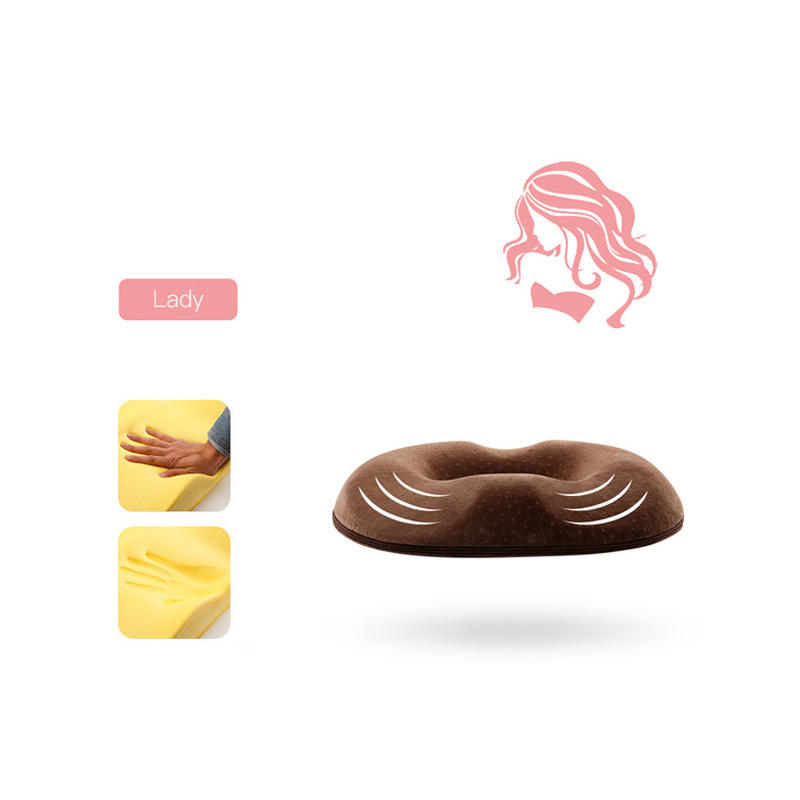
Buying custom car seat cushions for a vehicle program means balancing comfort, durability, fit, and order requirements. The right custom car seat cushions start with a defined use case, not a material choice made in isolation. Fleet vehicles, work trucks, passenger cars, and branded interiors place different demands on a cushion, so buyers should clarify who will use it and how before requesting samples or pricing.

This guide explains how to compare material options, assess comfort and vehicle fit, and prepare a practical bulk order. Treat custom car seat cushions as a product specification with measurable requirements, including dimensions, cover construction, intended service conditions, and packaging. A clear brief helps your purchasing and engineering teams evaluate options consistently and reduces the risk of receiving cushions that look right but do not suit the actual application.
Choose materials for the duty cycle
Match foam properties to usage
Foam affects support, compression behavior, and the overall feel of custom car seat cushions. Begin by describing typical sitting duration, user movement, and the environment, rather than relying on a general request for a soft or firm cushion. For a vehicle used through repeated shifts, buyers may prioritize shape retention and steady support; a cushion for occasional passenger use may place greater emphasis on initial softness.
Ask for material details that can be compared across samples, such as foam type, thickness, density, and firmness information. These details help your team discuss custom car seat cushions in concrete terms, but they do not replace testing under realistic conditions. Sit on samples for a representative period, check how they recover after use, and confirm that the selected foam works with the seat base and intended user population.
Evaluate cover construction and care
The cover is the first point of contact and a key part of custom car seat cushions’ service life. Consider surface feel, seam placement, breathability, cleaning method, and exposure to sunlight, friction, dust, or spills. A cover that feels pleasant in a showroom may be less suitable for a vehicle where users enter with work clothing or where routine cleaning is essential.
Request clear information about fabric composition, closure design, stitching, and whether the cover can be removed for care. For custom car seat cushions, check that seams do not create pressure points and that the cover stays in place during normal movement. When appearance matters across a fleet, define color and finish consistently, then approve a physical sample so the chosen material is assessed in the right lighting.
Specify comfort and vehicle fit
Turn comfort goals into test criteria
Comfort is personal, so a useful evaluation process gives it structure. For custom car seat cushions, identify the intended users, typical trip length, and any seating issues the product is meant to address. Then assess support across the sitting area, edge feel, stability, and ease of getting in and out. A single opinion can guide discussion, but a small group of representative users can reveal differing preferences.
Use a consistent trial protocol instead of comparing samples after brief, unrelated tests. Have reviewers sit in the same vehicle, use the same seat settings, and record feedback after a similar interval. This makes comparisons between custom car seat cushions more meaningful and helps separate a true material preference from differences in posture or setup. Document both positive feedback and any discomfort, shifting, or fit concerns.
Confirm dimensions and in-vehicle stability
Measure the seat before finalizing custom car seat cushions, including usable width, depth, contours, and any relevant seat-belt or armrest clearances. Check how the cushion meets the seat edges and whether its shape interferes with controls, adjustment levers, or entry. Measurements should reflect the actual vehicle configuration, since trim, seat style, and model year can affect the available space.
A fit review should include placement and movement, not just a dimension check on a workbench. Install the custom car seat cushions in a representative vehicle and observe whether they stay positioned during ordinary use. Confirm any attachment features, underside materials, or cutouts with the end user. For multiple vehicle types, keep separate fit records so a dimension approved for one seat is not assumed to work in another.
Plan bulk orders with a complete specification
Build a repeatable product brief
Bulk purchasing works best when the buyer turns evaluation results into a version-controlled specification. Describe custom car seat cushions by intended application, dimensions, foam requirements, cover material, color, seams, closure, and care expectations. Include drawings or reference measurements where available, and identify which details are mandatory versus open to discussion. This gives stakeholders a shared basis for reviewing samples and confirming production details.
Specify acceptable variation for dimensions and appearance, along with the sample approval process. Custom car seat cushions can look consistent in a photograph while differing in firmness, stitching, or fit, so retain an approved reference sample when practical. Record any agreed changes after sampling and ensure purchasing, quality, and operations teams work from the same revision before an order is released.
Coordinate quantities, inspection, and delivery
Before placing a bulk order, confirm the quantity by vehicle or user group, expected delivery schedule, packaging needs, and receiving location. For custom car seat cushions, also establish how incoming goods will be inspected. A practical inspection plan can verify dimensions, cover color, seams, closures, labeling, and visible defects against the approved specification without relying only on a general visual impression.
Plan for samples, production approval, and any staged delivery requirements early in the purchasing conversation. Share forecast changes promptly, especially when cushions must be allocated across sites or vehicle models. If you are reviewing a custom car seat cushions product option, compare its available details with your written requirements and confirm unresolved specifications before treating it as suitable for a bulk program.
FAQ
Which foam details should buyers request?
Request the foam type, thickness, density, and firmness information available for the option, then evaluate samples in the intended vehicle. For custom car seat cushions, these details make comparisons clearer, but user trials and fit checks are still important before approval.
How can a team assess comfort consistently?
Use the same vehicle, seat settings, and trial duration for each sample, and collect feedback from representative users. Record support, stability, edge feel, and any movement so custom car seat cushions are judged against consistent criteria rather than a quick first impression.
What should a bulk order specification include?
Document dimensions, materials, cover details, color, fit requirements, acceptable variation, inspection points, packaging, and delivery expectations. For custom car seat cushions, also identify the approved sample and current specification revision so every team is aligned before the order proceeds.