
 EN


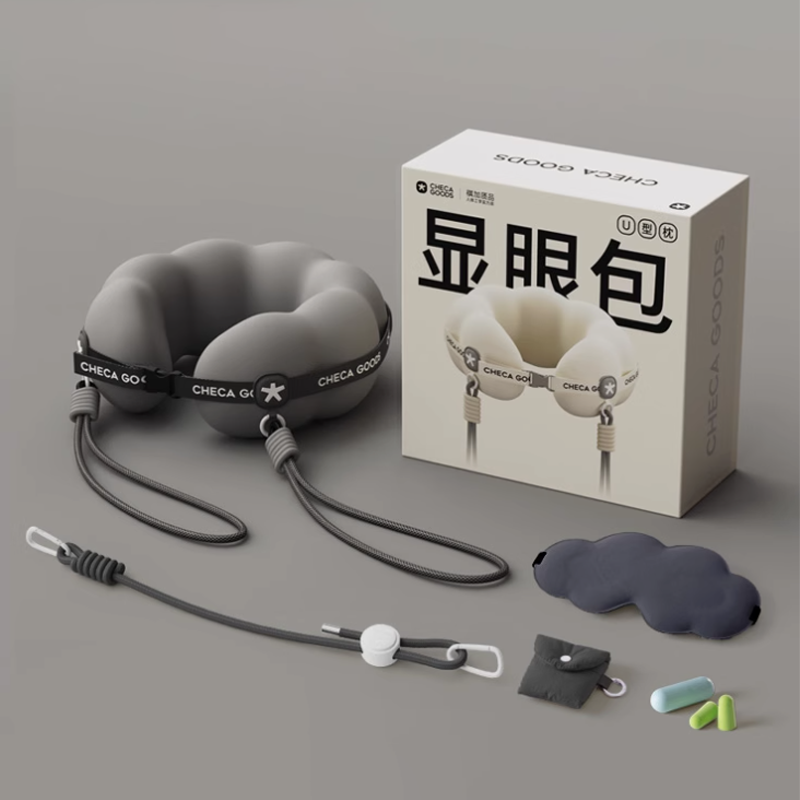
Sourcing cervical support pillows for retail, healthcare, and hospitality requires more than finding a comfortable design. Buyers need to match pillow construction, documentation, packaging, and order planning to the needs of each channel. A clear sourcing brief helps you compare options consistently, request useful samples, and reduce the risk of receiving products that do not fit your customers or operations.
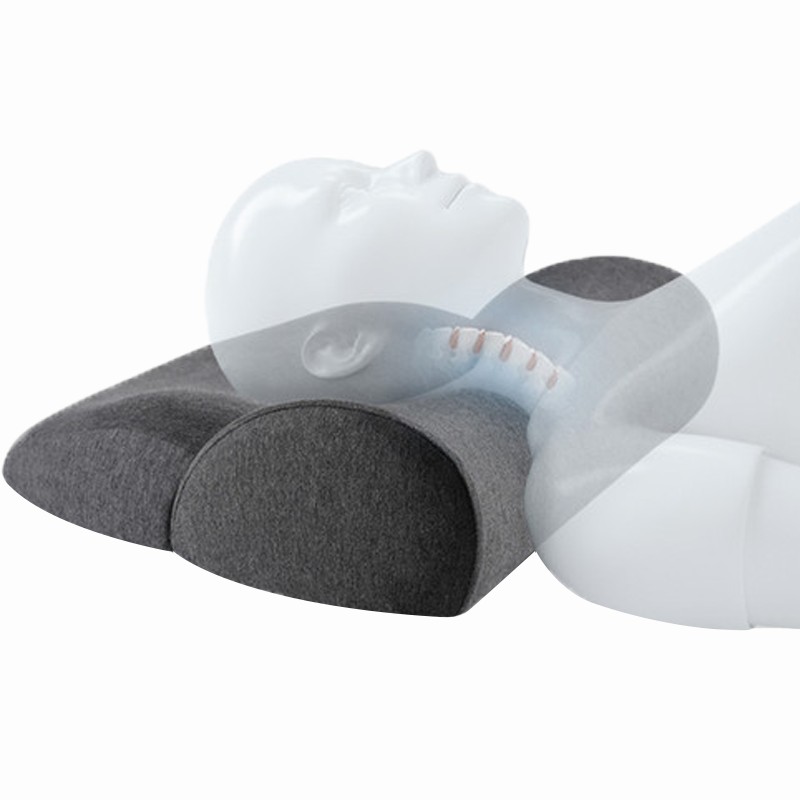
The right sourcing process begins by defining who will use the pillows, how they will be sold or issued, and what evidence your organization requires. Retail buyers may prioritize clear product information and shelf-ready presentation, while care settings need practical cleaning and procurement details. Hospitality teams must consider guest comfort, housekeeping routines, and replacement cycles. These distinctions make cervical support pillows a category to assess by channel, not by appearance alone.
Define Requirements by Sales and Use Channel
Translate customer needs into a sourcing brief
Start the brief with the intended user and purchasing context. For retail, document the target price position, shopper expectations, package format, and claims that can be substantiated. For healthcare, clarify whether cervical support pillows are for patient rooms, staff use, or retail within a care facility. Hospitality buyers should describe room types, housekeeping practices, and whether pillows supplement or replace standard bedding.
Then specify the product attributes that can be evaluated, rather than relying on broad terms such as premium or therapeutic. Record dimensions, fill or foam construction, cover fabric, firmness range, shape, and any removable components. When discussing cervical support pillows, define what cervical support means for your offer and avoid implying a medical outcome unless the claim is properly supported and permitted for your market.
Account for channel-specific handling
Retail packaging needs to protect the product while communicating essential details at the point of sale. Ask how cervical support pillows are compressed, boxed, labeled, and prepared for display, and confirm that packaging instructions match the product’s storage requirements. If customers need setup guidance, consider whether a concise insert or scannable digital instructions would reduce confusion after purchase.
Healthcare and hospitality procurement often involve centralized receiving, storage, and distribution to multiple rooms or locations. Determine whether cervical support pillows arrive individually packed, grouped in cartons, or in another format that suits receiving staff. Include carton dimensions, gross weight, unit quantities, and handling marks in the brief so logistics teams can review the practical impact before an order is approved.
Evaluate Samples, Specifications, and Documentation
Use samples to verify the written specification
A sample review should test the factors buyers can observe and repeat. Compare stated dimensions with measurements, inspect seams and cover closure, and note how the shape feels across the intended sleep positions. For cervical support pillows, reviewers should use a consistent assessment form instead of relying on a single person’s preference. Record observations clearly, including any difference between the sample and the approved specification.
Where cervical support pillows will be used by varied customer groups, gather feedback from representative users or trained internal reviewers. Evaluate comfort as a subjective experience, not a universal promise, and keep that distinction in product copy. Ask how the product responds to ordinary handling and whether its care instructions are understandable. Sample findings should inform revisions before artwork, packaging, or purchase quantities are finalized.
Check claims, care guidance, and product records
Request a complete specification sheet and the documents relevant to your market and intended use. Depending on the product and jurisdiction, buyers may need material details, care instructions, labeling information, or test documentation. Confirm that every document refers to the same model and construction as the sample. This process is especially important when cervical support pillows are positioned for healthcare or wellness audiences.
Review marketing language with the same care as technical files. Descriptions of contour, loft, or intended sleeping position should be specific and consistent with the product. Avoid unsupported claims about pain relief, treatment, or clinical performance. For cervical support pillows, align package copy, online listings, inserts, and internal sales materials so customers receive one accurate explanation rather than conflicting messages.
Plan Orders and Channel Rollout
Confirm commercial and operational fit
Before placing an order, confirm minimum quantities, lead times, sample approval steps, payment terms, and the process for handling specification changes. Ask which details are fixed after approval and how a revised sample is documented. For cervical support pillows, verify that the approved cover, dimensions, and packaging are reflected in the purchase record. Clear records help purchasing and quality teams resolve discrepancies without relying on informal recollection.
Forecast demand by channel rather than combining every use case into one estimate. Retail sell-through may depend on seasonality and merchandising, while healthcare and hospitality demand can reflect room counts, replacement schedules, or phased openings. Estimate how cervical support pillows will move from receiving to final use, then align order quantities with storage capacity and replenishment timing. A smaller initial rollout may provide useful operational feedback before broader distribution.
Prepare launch, feedback, and replenishment
Give each channel the information needed to present or issue the product correctly. Retail teams need accurate feature descriptions and answers to common fit questions; facility teams need care guidance and clear receiving details. If cervical support pillows are distributed across locations, use consistent product identifiers and instructions. This makes stock checks, reorder requests, and customer feedback easier to consolidate.
After launch, review returns, user comments, damage reports, and housekeeping or handling feedback. Separate issues related to expectations from defects or logistics problems, since each calls for a different response. Track whether cervical support pillows meet the approved specification and whether package information answers recurring questions. Use the findings to refine the next order, update channel materials, or revise the brief before extending the range.
Sourcing decisions should remain tied to the role the product will serve. A retail assortment may benefit from clear differentiation and compact presentation, while institutional orders may place greater weight on repeatability, care details, and replenishment planning. The same cervical support pillows can therefore require different packaging or communication choices across channels, even when the underlying product specification remains unchanged.
FAQ
What should a sourcing brief include?
Include the intended channel and user, dimensions, materials, construction, care guidance, package format, order expectations, and required documentation. For cervical support pillows, also define what support and comfort language may be used in product information. A concise brief gives reviewers and purchasing teams a shared basis for checking samples, quotations, and final deliveries.
How should buyers compare samples?
Compare samples against the written specification using consistent measurements and review criteria. Consider construction, cover details, shape, care instructions, and packaging, then record feedback from relevant reviewers. Avoid treating one person’s comfort preference as a universal result. This makes decisions about cervical support pillows clearer and easier to explain internally.
What changes between retail and institutional sourcing?
Retail sourcing emphasizes shopper communication, assortment fit, and point-of-sale packaging. Healthcare and hospitality purchasing often gives added attention to documentation, receiving, care routines, storage, and repeat orders. In every channel, confirm the product and its claims meet local requirements. These distinctions help buyers source cervical support pillows with a plan that fits real operating conditions.