
 EN


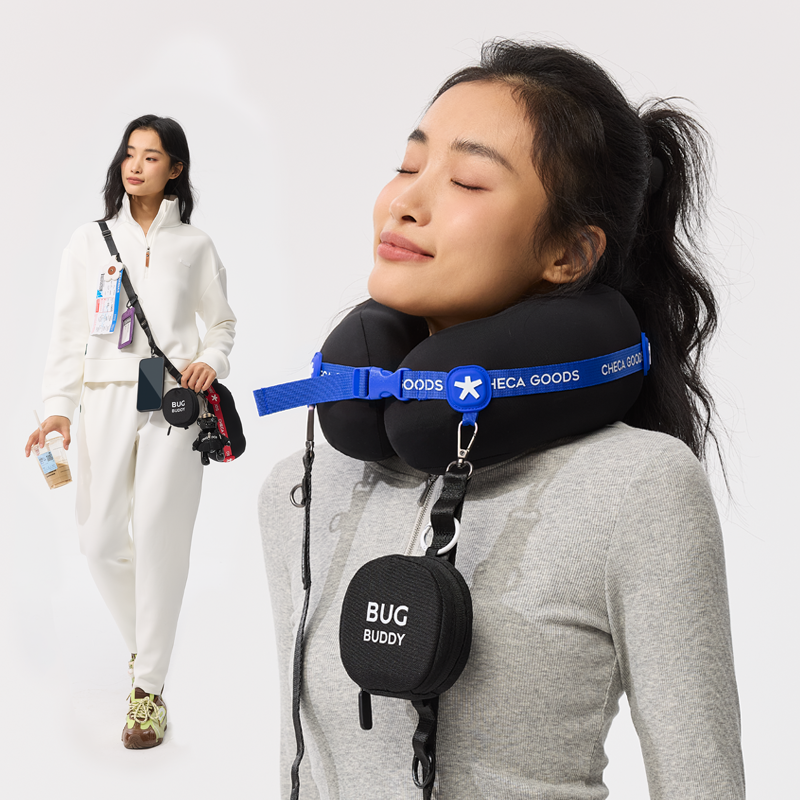
Building a distinctive pillow range requires more than adding a logo to an existing product. Private label beauty pillows need a defined user, considered product geometry, compatible materials, and packaging that communicates the intended benefit without making unsupported claims. A clear brief helps align those decisions before sampling begins.

This guide follows the decisions behind private label beauty pillows from product concept through packaging and OEM sourcing. It explains how to translate a customer need into specifications, assess samples, protect a coherent brand presentation, and prepare production details. The aim is a practical development path for teams creating a differentiated sleep accessory.
Define the product before requesting a sample
Translate the customer need into usable geometry
Begin by describing who will use the pillow and what sleeping position or comfort concern the design is intended to address. Private label beauty pillows may use contours, cut-outs, raised support zones, or a shaped center, but each feature should connect to a clear use case. Put that relationship in the brief rather than relying on a vague beauty positioning.
Record approximate dimensions, shape, height, firmness preference, and the intended way the head and neck rest on the surface. For private label beauty pillows, a drawing with labeled measurements is more useful than a reference image alone. State which dimensions are essential and which can be adjusted after fit and comfort reviews.
Specify materials and construction
Material choices affect feel, care, appearance, and how the product behaves during shipping. For private label beauty pillows, define the fill or foam type, cover fabric, closure, stitching, and any removable components. Request material descriptions and care guidance for review, and ensure claims on labels match substantiated product information.
A sample review should test the whole product, not just its initial softness. Assess the cover finish, seam consistency, shape retention after handling, odor, and ease of putting the cover back on after washing if it is removable. Private label beauty pillows should be judged against written acceptance criteria so feedback is specific and repeatable.
Build packaging around handling and brand clarity
Choose a format that suits the product
Packaging must protect the pillow while supporting the way it will be stored, shipped, displayed, and opened. Decide whether private label beauty pillows will ship compressed, folded, or at their full shape only after confirming the production and transit implications. Ask how packaging affects recovery time and the customer’s first impression after opening.
Set practical packaging requirements early, including dimensions, material preferences, closure, inserts, and any retail display needs. Private label beauty pillows may need a compact parcel format for direct shipping, while a shelf-ready product may require stronger product visibility. Confirm that the chosen format fits warehouse handling and the intended sales channel.
Make information accurate and easy to scan
Use packaging to explain the product’s shape, intended use, materials, care, and contents in plain language. Private label beauty pillows should not promise medical outcomes or guaranteed changes to skin or appearance unless the business has suitable substantiation and approval. Clear, limited claims can build trust and reduce confusion about what the item is designed to do.
Review the complete artwork at actual size, including brand marks, color, text hierarchy, barcode placement, and required market information. For private label beauty pillows, check that instructions remain legible on the final package and that every product variant has correct details. Approve a physical packaging proof where possible, since screen previews cannot show every print or material characteristic.
Manage OEM sourcing from brief to production
Align the OEM brief and sample process
An effective OEM request gives the production partner enough information to assess feasibility without leaving core decisions ambiguous. Describe the target customer, shape, measurements, materials, cover construction, packaging, order assumptions, and required documentation. Private label beauty pillows benefit from a single controlled specification that both sides can reference during sampling and revision.
Share the brief, then ask for confirmation of open questions, sample timing, available customization, and what may affect cost or lead time. When reviewing an private label beauty pillows concept, keep feedback tied to measurable changes such as height, contour, cover texture, or label placement. Approve a revised sample only after checking it against the updated specification.
Control revisions and production readiness
Maintain dated versions of drawings, material descriptions, artwork, sample notes, and approvals. Private label beauty pillows can drift from the intended design when verbal changes are not recorded or when packaging files lag behind a product revision. Assign an owner for each approval and make the approved sample or reference standard identifiable.
Before a production commitment, confirm the final specification, packaging files, inspection expectations, carton details, and product information needed for the destination market. Private label beauty pillows should move forward only when the buyer and OEM partner agree what constitutes an acceptable finished unit. A documented pre-production review helps surface discrepancies while adjustments are still manageable.
FAQ
What should a brief for private label beauty pillows include?
Include the customer and use case, shape, dimensions, materials, cover construction, care expectations, packaging, artwork, and approval criteria. Private label beauty pillows are easier to sample consistently when requirements and flexible preferences are clearly separated.
How should a team evaluate an OEM sample?
Compare the sample with the written brief and assess comfort, dimensions, finish, seams, materials, and packaging together. For private label beauty pillows, document each requested change and check the revised sample against the same criteria before approval.
When is packaging ready for approval?
Approve packaging after product details, care instructions, claims, artwork, and handling requirements are confirmed. Private label beauty pillows need a final check that the package protects the item and presents accurate, readable information for the intended channel.