Ergonomic Design for Optimal Spinal Alignment and Pain Relief
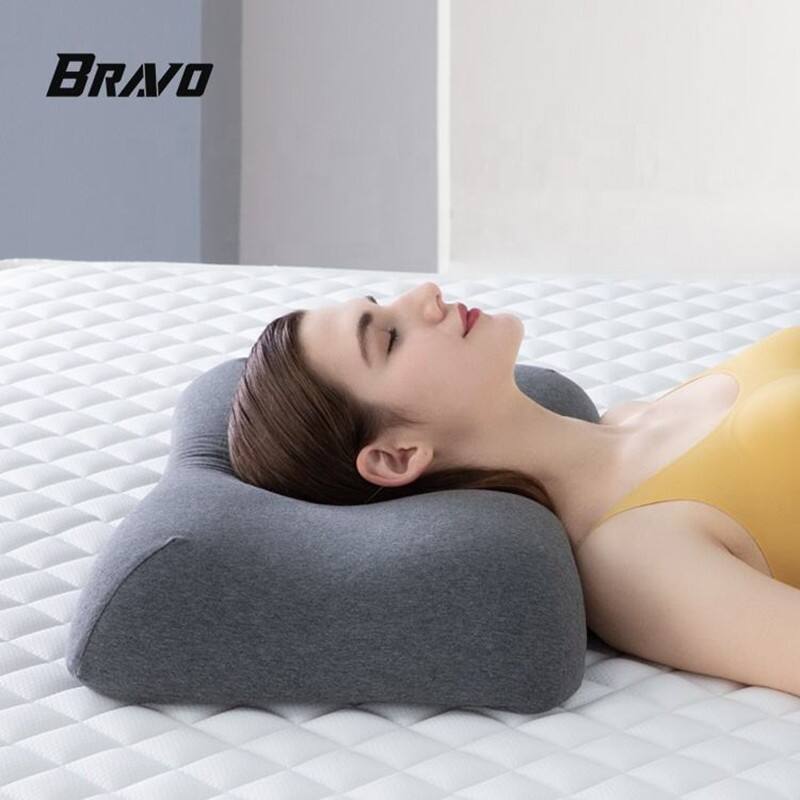
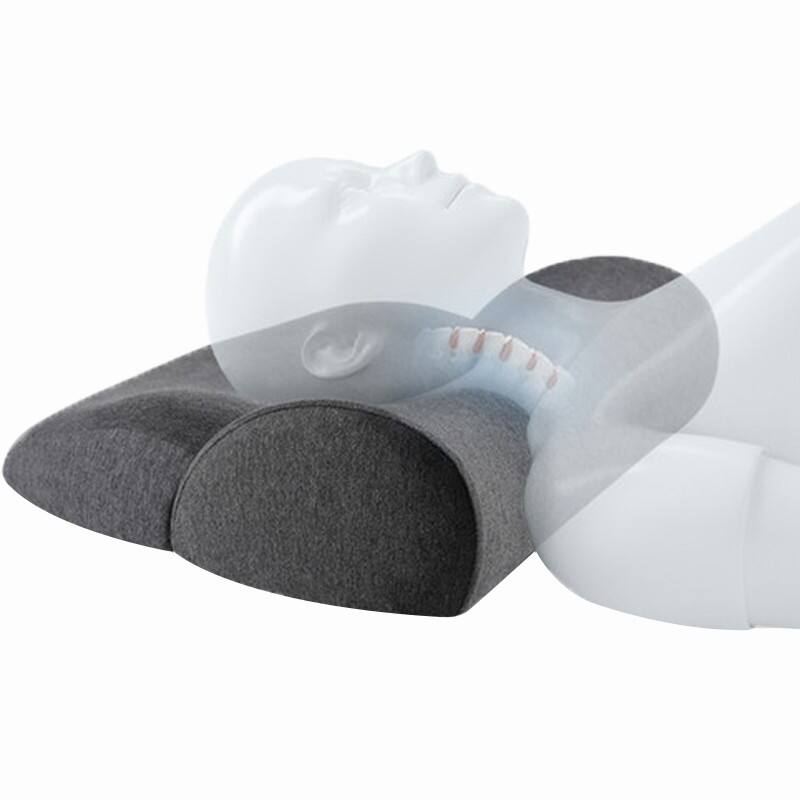
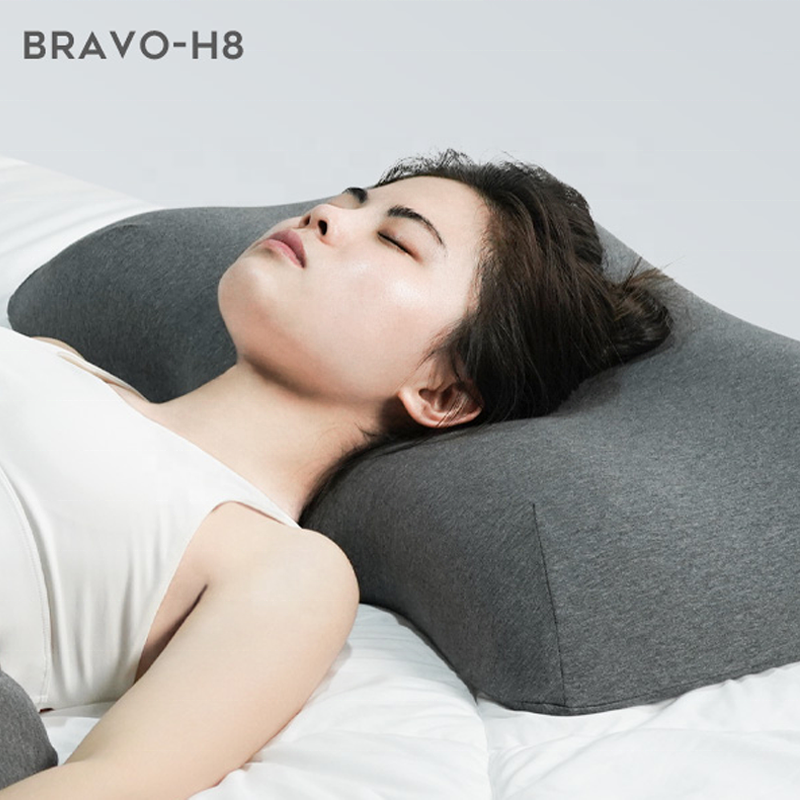
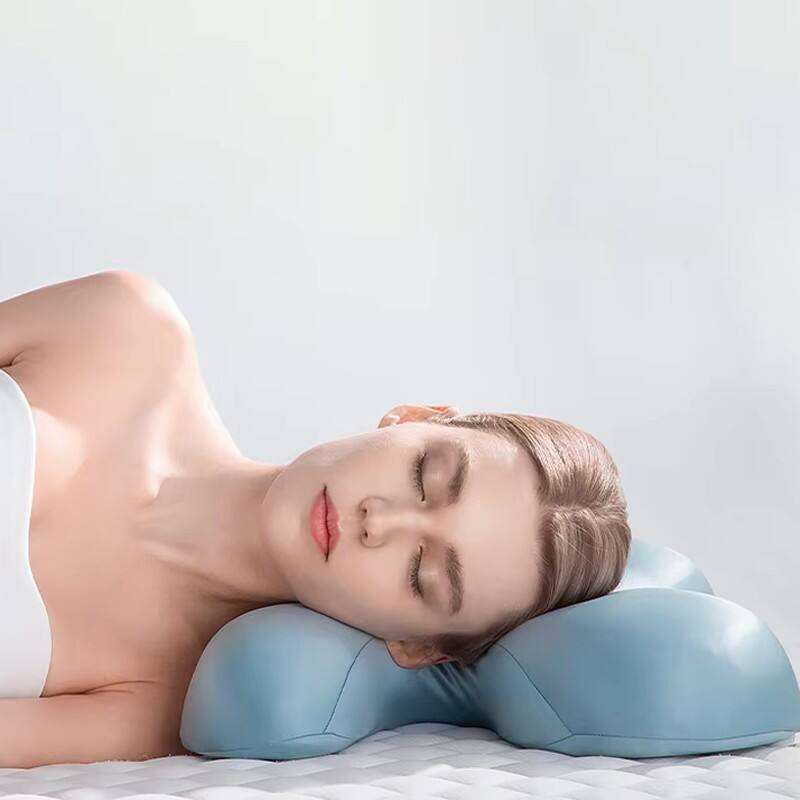
The ergonomic design principles underlying effective neck support pillows reflect extensive research into human anatomy, sleep physiology, and biomechanical alignment requirements. This scientific approach ensures that the pillow's shape, height, and firmness characteristics work in harmony to maintain the natural cervical lordosis while accommodating individual variations in neck length, shoulder width, and sleeping preferences. The contoured surface features strategically positioned valleys and ridges that cradle the head while supporting the neck's natural curve, preventing the flattening or excessive extension that contributes to morning stiffness and chronic pain development. Side sleeping positions benefit from the pillow's ability to fill the gap between the shoulder and neck, maintaining horizontal spinal alignment that prevents lateral curvature and associated muscle strain. Back sleeping positions receive support that maintains the forward curve of the cervical spine while preventing the head from tilting too far forward or backward, which can restrict breathing passages and create tension in the suboccipital muscles. The height optimization built into ergonomic neck support pillows addresses the critical relationship between pillow elevation and spinal alignment, ensuring that the head remains in neutral position regardless of mattress firmness or individual body proportions. Research demonstrates that proper cervical alignment during sleep reduces inflammatory responses in surrounding tissues, accelerating recovery from daily stress and promoting cellular regeneration processes. The pressure distribution characteristics prevent compression of blood vessels and lymphatic channels, maintaining optimal circulation that supports tissue health and reduces morning facial puffiness. Nerve decompression occurs naturally when the pillow maintains proper spacing between vertebrae, relieving impingement that causes radiating pain, numbness, and tingling sensations. The therapeutic benefits extend beyond immediate comfort to include long-term postural improvements as muscles adapt to correct alignment patterns during sleep periods. Professional athletes and physical therapy patients particularly value these alignment benefits, as proper sleep posture supports training recovery and rehabilitation progress.

 EN
EN