
 EN
EN



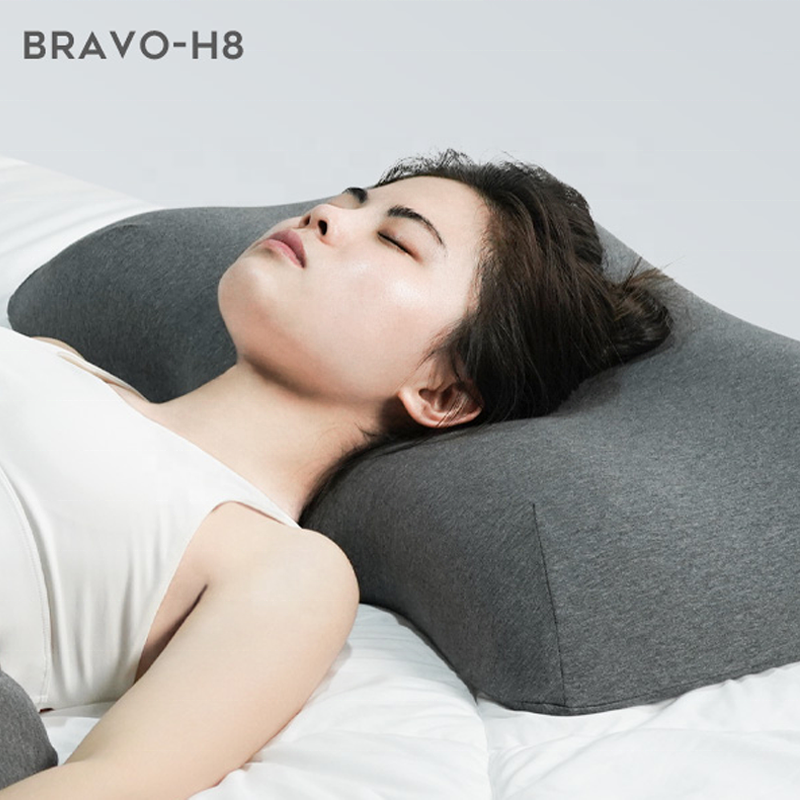
Adaptive Comfort Materials in Modern Living
Memory Foam has become one of the most widely discussed comfort materials in bedding, furniture, and personal support products. From mattresses and pillows to seat cushions and medical supports, Memory Foam is often associated with pressure relief, body contouring, and improved comfort. Its popularity is not accidental. It reflects how people increasingly value materials that adapt to the human body rather than forcing the body to adapt to the product. Understanding what Memory Foam is, how it works, and why it delivers unique benefits helps buyers, designers, and manufacturers make more informed decisions.
Understanding What Memory Foam Really Is
Composition and Material Structure
Memory Foam is a type of viscoelastic polyurethane foam engineered to respond to heat and pressure. Unlike traditional foams that compress uniformly, Memory Foam softens in response to body warmth and gradually molds to the user’s shape. This behavior comes from its open-cell structure and temperature-sensitive formulation.
The internal structure of Memory Foam allows air to move slowly between cells. This slow response is what gives the material its signature contouring effect. When pressure is applied, the foam compresses precisely where needed, and when pressure is removed, it returns to its original shape at a controlled pace.
How Memory Foam Differs From Conventional Foam
Standard polyurethane foam tends to rebound immediately and applies equal pressure across the surface. Memory Foam behaves differently by redistributing pressure instead of pushing back aggressively. This difference is especially noticeable during prolonged use.
Because Memory Foam adapts gradually, it reduces pressure points in areas such as shoulders, hips, and lower back. This adaptive quality is the foundation for many of its comfort and support advantages across various applications.
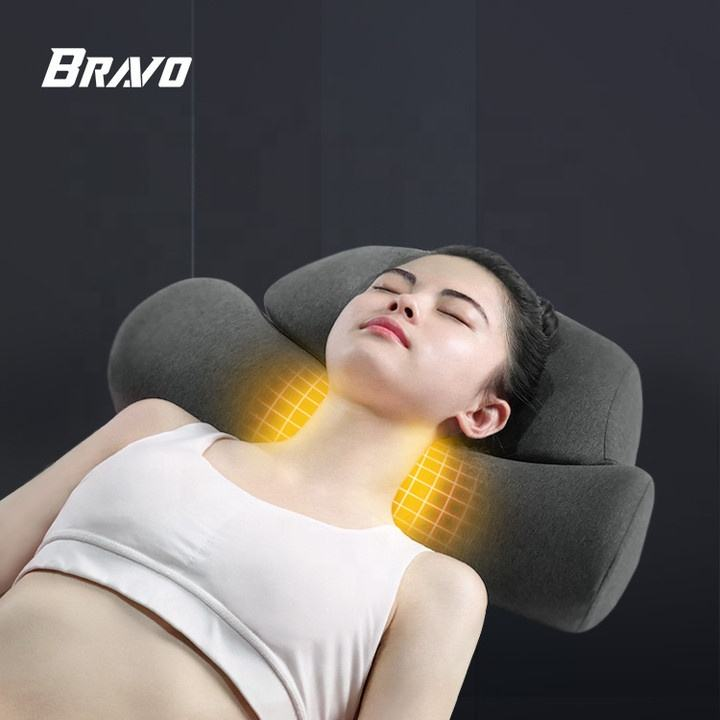
How Memory Foam Responds to the Human Body
Heat Sensitivity and Shape Adaptation
Memory Foam reacts to body heat, becoming softer in warmer areas and firmer in cooler zones. This temperature sensitivity allows the foam to mirror body contours closely. As a result, weight is distributed more evenly across the surface.
This behavior explains why Memory Foam often feels firm at first contact and softer after a few moments. The gradual adaptation enhances comfort during extended use, whether lying down, sitting, or leaning.
Pressure Distribution and Support Balance
The ability of Memory Foam to spread pressure evenly helps reduce stress on joints and muscles. Instead of concentrating force in a few areas, the foam supports the entire contact surface.
This balanced support is particularly important for people who remain in one position for long periods. Memory Foam maintains alignment while minimizing discomfort caused by uneven pressure distribution.
Core Comfort Benefits of Memory Foam
Pressure Relief for Daily Use
One of the most recognized benefits of Memory Foam is pressure relief. By contouring to the body, the material minimizes peak pressure points that often cause discomfort or pain.
This makes Memory Foam suitable for mattresses, pillows, and seat cushions used daily. The material adapts to different body shapes and sleeping or sitting positions without requiring constant adjustment.
Motion Isolation and Stability
Memory Foam absorbs movement rather than transferring it across the surface. This property is especially valued in bedding applications, where motion isolation contributes to uninterrupted rest.
In seating applications, motion stability helps maintain balance and comfort. Memory Foam reduces the sensation of shifting or bouncing, creating a more controlled and relaxed experience.
Memory Foam in Sleep Applications
Supporting Natural Spinal Alignment
Proper spinal alignment is essential for restorative sleep. Memory Foam supports the natural curves of the spine by filling gaps between the body and the sleep surface.
By maintaining alignment, Memory Foam helps reduce strain on muscles and ligaments. This support contributes to improved comfort and may help users wake up feeling more refreshed.
Comfort Across Different Sleeping Positions
Side sleepers, back sleepers, and combination sleepers often have different comfort needs. Memory Foam adapts to these variations by responding locally to pressure.
This adaptability allows one surface to accommodate multiple sleeping styles. Memory Foam adjusts without requiring mechanical changes or layered complexity.
Memory Foam in Seating and Furniture
Ergonomic Support for Prolonged Sitting
In office chairs and seating cushions, Memory Foam provides ergonomic support by conforming to the body’s contours. This reduces pressure on the tailbone and thighs during extended sitting.
Consistent support helps maintain proper posture and reduces fatigue. Memory Foam cushions are commonly used in workspaces where comfort and productivity are closely linked.
Enhancing User Comfort in Everyday Furniture
Sofas, recliners, and lounge seating benefit from the comfort characteristics of Memory Foam. The material adds a sense of personalized support without sacrificing overall structure.
By adapting to different users, Memory Foam helps furniture maintain a consistent comfort experience across a wide range of body types.
Durability and Performance Over Time
Shape Recovery and Long-Term Use
High-quality Memory Foam is designed to recover its shape after repeated compression. While it responds slowly, it should return to its original form without permanent deformation.
Durability depends on foam density and formulation. Well-engineered Memory Foam maintains performance over years of regular use, making it suitable for both residential and commercial applications.
Resistance to Sagging and Uneven Wear
Compared to lower-grade foams, Memory Foam resists sagging by distributing weight evenly. This reduces localized wear and helps maintain consistent support.
Even wear contributes to longer product lifespan and sustained comfort. This reliability is one reason Memory Foam is widely adopted in premium comfort products.
Breathability and Thermal Considerations
Airflow Within Memory Foam Structures
Traditional Memory Foam was often criticized for heat retention. Modern formulations address this through open-cell structures that improve airflow.
Improved breathability allows heat to dissipate more effectively. This enhances comfort during prolonged contact, especially in warm environments.
Balancing Temperature and Comfort
Memory Foam balances softness and support through temperature responsiveness. While it softens with warmth, it remains supportive enough to maintain structure.
This balance helps users feel supported without excessive heat buildup, making Memory Foam suitable for a wide range of climates and usage scenarios.
Health and Wellness Applications
Reducing Pressure-Related Discomfort
Memory Foam is widely used in medical and wellness products because of its pressure-relieving properties. Cushions, mattress overlays, and support pads help reduce discomfort caused by prolonged immobility.
By minimizing pressure concentration, Memory Foam supports skin integrity and overall comfort in health-focused environments.
Supporting Recovery and Relaxation
Comfort plays a key role in recovery and relaxation. Memory Foam provides a stable, adaptive surface that promotes rest and reduces physical stress.
This makes it suitable for wellness spaces where comfort and body support are essential to user experience.
Customization and Density Variations
Choosing the Right Density for Different Needs
Memory Foam is available in various densities, each offering different levels of support and responsiveness. Higher-density foam provides firmer support and longer durability.
Lower-density Memory Foam offers a softer feel and faster adaptation. Selecting the appropriate density ensures that the material aligns with the intended use.
Tailoring Memory Foam for Specific Applications
Manufacturers customize Memory Foam formulations to suit different products. Mattresses, pillows, and cushions each require unique performance characteristics.
Customization allows Memory Foam to deliver consistent comfort while meeting specific functional requirements.
Environmental and Usage Considerations
Odor and Initial Break-In Period
New Memory Foam products may emit a temporary odor due to manufacturing processes. This typically dissipates with ventilation and regular use.
The break-in period allows the foam to reach optimal responsiveness. Over time, Memory Foam becomes more comfortable as it adapts to user patterns.
Care and Maintenance Practices
Memory Foam requires minimal maintenance. Regular airing and proper support help preserve performance.
Protective covers and proper usage extend lifespan. With basic care, Memory Foam maintains comfort and structure over extended periods.
Comparing Memory Foam With Other Comfort Materials
Performance Differences in Daily Use
Compared to traditional foam or spring-based systems, Memory Foam offers a more adaptive experience. It responds directly to the user rather than applying uniform resistance.
This adaptive behavior is a key differentiator in comfort-focused products. Memory Foam emphasizes personalized support over generalized firmness.
User Preferences and Comfort Perception
Comfort perception varies among individuals. Some users prefer the slow-response feel of Memory Foam, while others favor more responsive materials.
Understanding these preferences helps guide product selection and design decisions. Memory Foam remains a popular choice due to its distinctive comfort profile.
Why Memory Foam Continues to Be Widely Used
Consistency Across Applications
Memory Foam delivers consistent performance across different product categories. Whether used in sleep, seating, or support products, its core properties remain effective.
This versatility makes Memory Foam a reliable material for manufacturers and consumers alike.
Alignment With Comfort-Centered Design
Modern design increasingly prioritizes user comfort and adaptability. Memory Foam aligns naturally with this approach by responding to individual needs.
Its ability to adapt without mechanical complexity supports clean, efficient product design focused on human comfort.
FAQ
Memory Foam Comfort for Different Body Types
Memory Foam adapts to various body shapes by responding locally to pressure and heat. This allows it to provide consistent support across a wide range of users.
Memory Foam Use for Daily Sleeping
Memory Foam is suitable for daily sleeping due to its pressure relief and support balance. Proper density selection ensures long-term comfort and durability.
Memory Foam Maintenance Requirements
Maintenance is minimal and typically involves basic cleaning and ventilation. Proper support and protective covers help maintain performance.
Memory Foam Suitability for Long-Term Use
With appropriate density and quality, Memory Foam supports long-term use by resisting sagging and maintaining shape recovery over time.
Table of Contents
- Adaptive Comfort Materials in Modern Living
- Understanding What Memory Foam Really Is
- How Memory Foam Responds to the Human Body
- Core Comfort Benefits of Memory Foam
- Memory Foam in Sleep Applications
- Memory Foam in Seating and Furniture
- Durability and Performance Over Time
- Breathability and Thermal Considerations
- Health and Wellness Applications
- Customization and Density Variations
- Environmental and Usage Considerations
- Comparing Memory Foam With Other Comfort Materials
- Why Memory Foam Continues to Be Widely Used
- FAQ