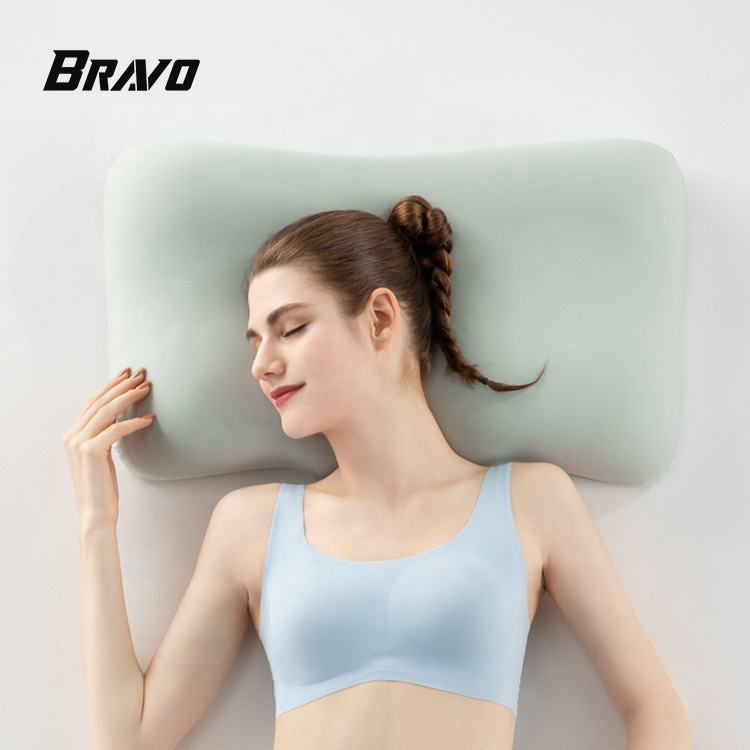
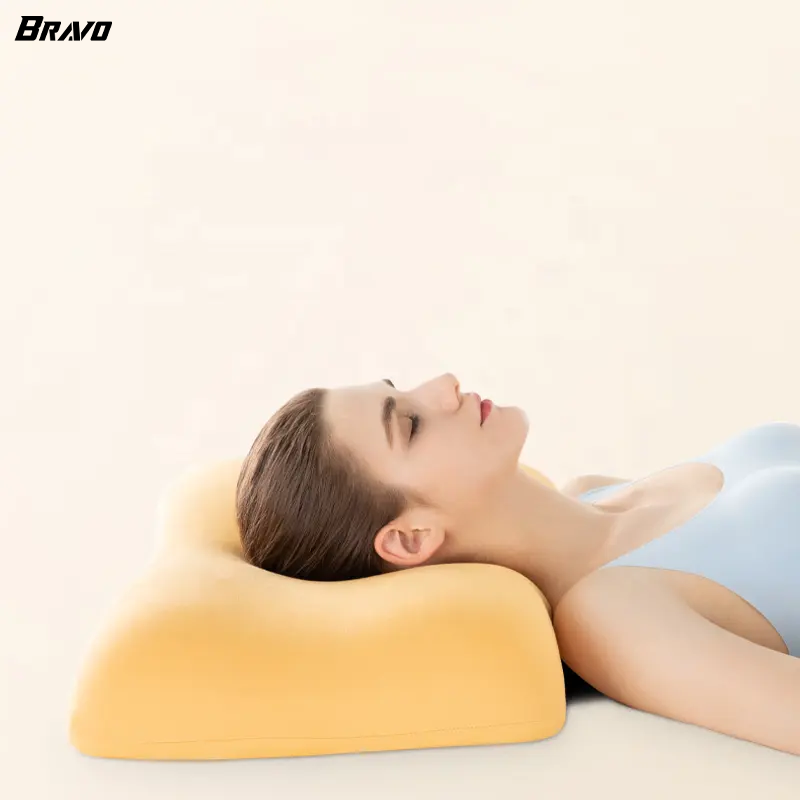
medical memory foam pillow
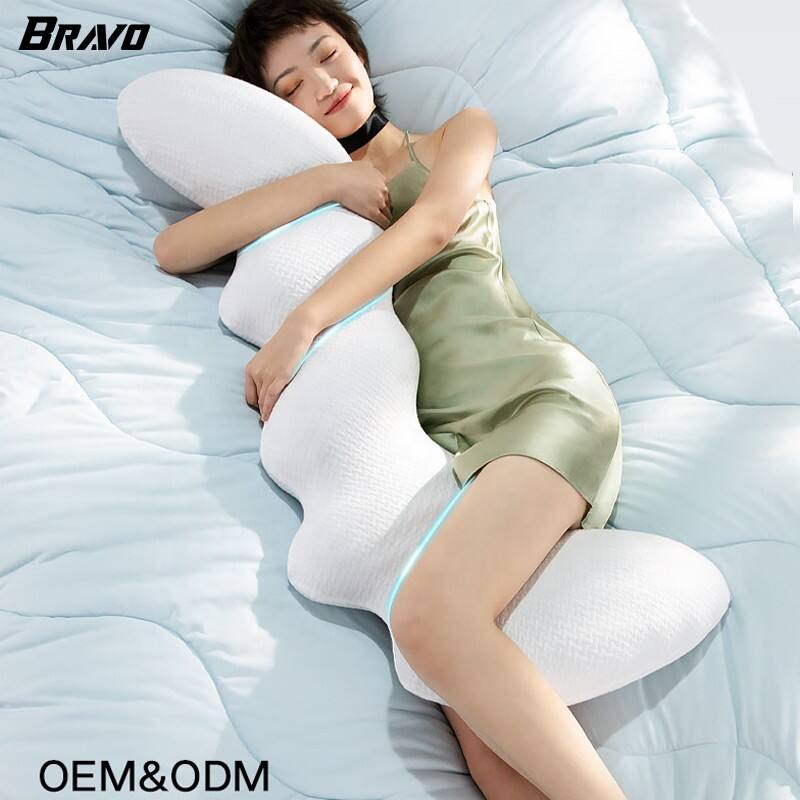
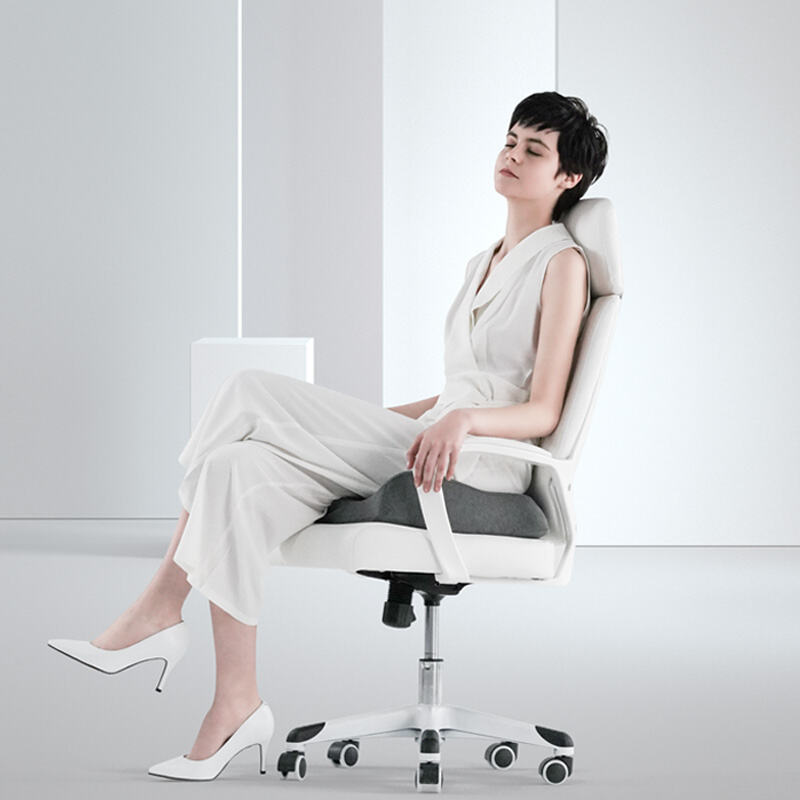
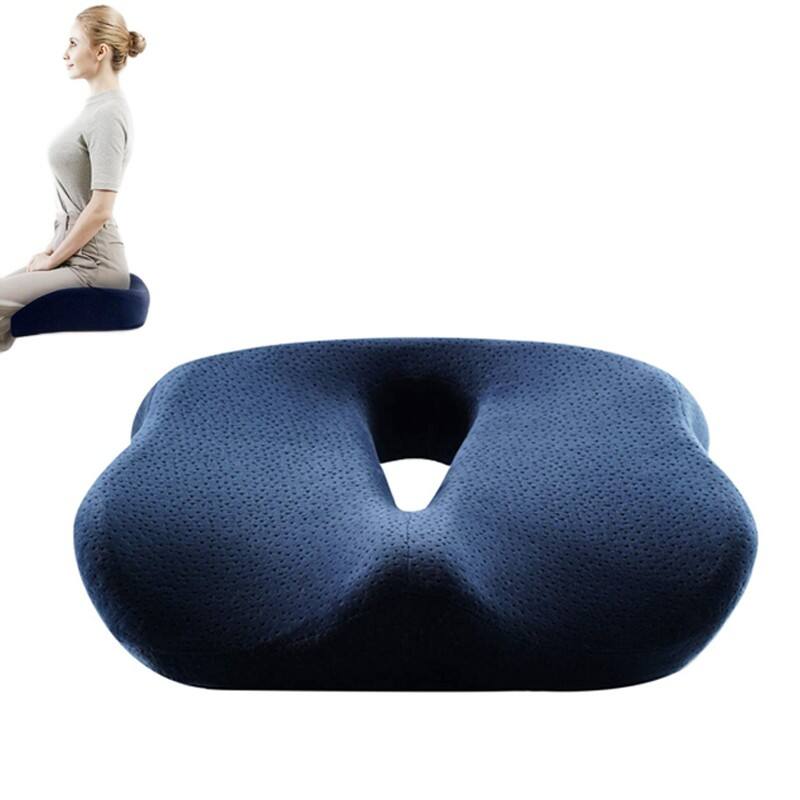
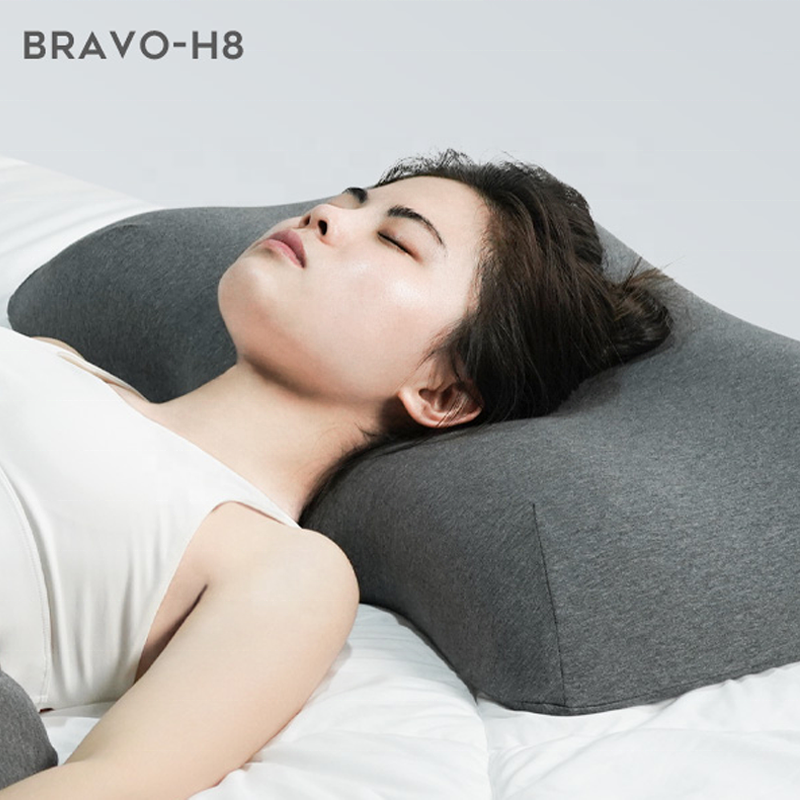
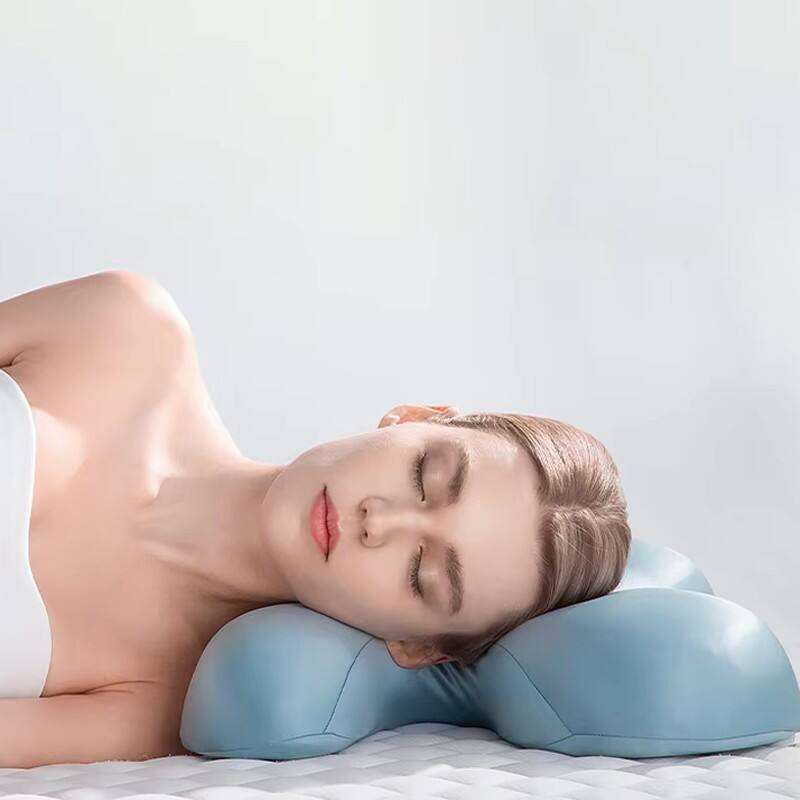
A medical memory foam pillow represents a revolutionary advancement in therapeutic sleep technology, designed specifically to provide superior cervical spine support and promote optimal sleep posture. This specialized pillow incorporates viscoelastic memory foam technology, originally developed by NASA, which responds to body heat and pressure to create a customized sleeping surface. The medical memory foam pillow distinguishes itself from conventional pillows through its ability to conform precisely to the unique contours of the head, neck, and shoulders, maintaining proper spinal alignment throughout the night. The core technology features temperature-sensitive polyurethane foam that softens when exposed to body warmth, allowing the material to mold around pressure points while providing consistent support. This adaptive response helps distribute weight evenly, reducing pressure concentrations that can cause discomfort or disrupt sleep patterns. Medical memory foam pillows typically feature ergonomic designs with contoured surfaces that accommodate different sleeping positions, including back, side, and stomach sleeping preferences. The pillow's construction often includes multiple zones with varying firmness levels to address specific anatomical needs. The cervical support region provides firmer backing for proper neck curvature, while softer areas accommodate the head's natural shape. Advanced medical memory foam pillows incorporate cooling technologies such as gel infusions, ventilated designs, or breathable covers to address heat retention concerns commonly associated with traditional memory foam. These thermal management features ensure comfortable sleep temperatures while maintaining the foam's responsive properties. The pillow's hypoallergenic properties make it suitable for individuals with sensitivities or allergies, as the dense foam structure resists dust mites, bacteria, and other allergens. Medical memory foam pillows find applications in various healthcare settings, including hospitals, rehabilitation centers, and home care environments, where proper support is crucial for recovery and comfort.

 EN
EN