
 EN
EN




Kryssgrensesøkhandelsselgere som selger produkter basert på skum står overfor en vedvarende utfordring: avstanden mellom et produkts faktiske vekt og dets produkt og dens volumetrisk fraktvekt. Et minne skum pute er et perfekt eksempel på denne dilemmaet. Lettvektd av natur, men voluminøst i standardform, opptar det langt mer kubisk plass i en fraktkontainer eller luftfraktboks enn hva dens faktiske masse rettferdiggjør. Denne volumbaserte gebyrbelastningen fører direkte til oppblåste fraktkostnader, som spiser inn på marginene som allerede er tynne i de konkurransefylte internasjonale markedene.
Spørsmålet som får økende oppmerksomhet blant logistikkledere og produsenter av produkter er om vakuumforpakning faktisk kan redusere disse kostnadene med 30 % eller mer. Kort svar er: ja, under riktige forhold kan vakuumkomprimering gi betydelige fraktbesparelser for minneskumputer som sendes på tvers av landegrenser. Men det fullstendige bildet innebærer å forstå mekanikken bak volumvektprisering, realitetene rundt skumkomprimering, transportørens regler, emballasjekostnader og den nedstrømsvirkningen på kundens pakkeopplevelse. Denne veiledningen gjennomgår alt dette i praktiske, beslutningsnyttige termer for B2B-selgere og logistikkteam.
Forståelse av volumvekt og hvorfor minneskumprodukter blir straffet
Formelen for volumvekt og dens virkning
De fleste internasjonale fraktleverandører, enten det gjelder luftfrakt, ekspresskurier eller til og med noen sjøfrakt-konsolideringsleverandører, bruker en beregning av volumvekt i stedet for faktisk vekt for å fastsette fraktkostnadene. Den vanlige formelen deler produktets volum i kubikkcentimeter på en divisor, vanligvis 5000 for luft- og ekspressfrakt. Et standard minneskumputepinne i detaljhandelspakningen kan måle 70 cm x 50 cm x 15 cm, noe som gir en volumvekt på over 10 kilogram, selv om puten i seg selv veier under 1,5 kilogram fysisk. Leverandøren beregner gebyret basert på den største av de to verdiene, og ved skumprodukter vil volumvekten nesten alltid være avgjørende.
Dette er ikke en liten prisavvikelse. Når du sender hundrevis eller tusenvis av enheter per måned, kan forskjellen mellom å betale for faktisk vekt og dimensjonsvekt utgöra titusener av dollar i årlige fraktutgifter. For en selger av minneskumputer som tar sikte på utenlandske markeder i Europa eller Nord-Amerika kan denne kostnadsstrukturen gjøre visse prispunkter helt ulønnsomme uten en mer intelligent emballasjestrategi. Å forstå denne formelen er utgangspunktet for å vurdere om vakuumkomprimering gir økonomisk mening.
Hvorfor gjør skumtetthet dette problemet verre
Ikke alle myke varer påvirkes like mye av volumprisering, men produkter av minneskumpute er spesielt sårbare. Minneskum har en åpen cellestruktur som fanger en betydelig luftmengde inne i materialet. Dette betyr at skumputs fysiske dimensjoner langt overstiger det som strengt tatt er nødvendig for å inneholde dets faste materiemasse. En pute som er designet for å gi optimal søvnstøtte ved full utvidelse er, av hensyn til designet, et stort luftfylt objekt allerede før den noen gang når sin bruker. Fra et logistikkperspektiv betaler du effektivt for å frakte luft.
Tettheten til skummet påvirker også hvor godt det komprimeres og hvor pålitelig det gjenopprettes. Høyere tetthet av minneskum, som vanligvis koster mer og brukes i kvalitetsprodukter, er vanligvis mer motstandsdyktig mot kompresjon, men gjenopprettes også mer pålitelig etter dekompressjon. Skum med lavere tetthet komprimeres lettere, men kan vise uregelmessig gjenoppretting. Det er avgjørende å forstå din spesifikke skumformulering før du velger vakuumforpakning som en logistikkstrategi for din serie minneskumputer.
Hvordan vakuumforpakning reduserer fraktvolum og -kostnader
Mekanikken bak vakuumkomprimering av skumprodukter
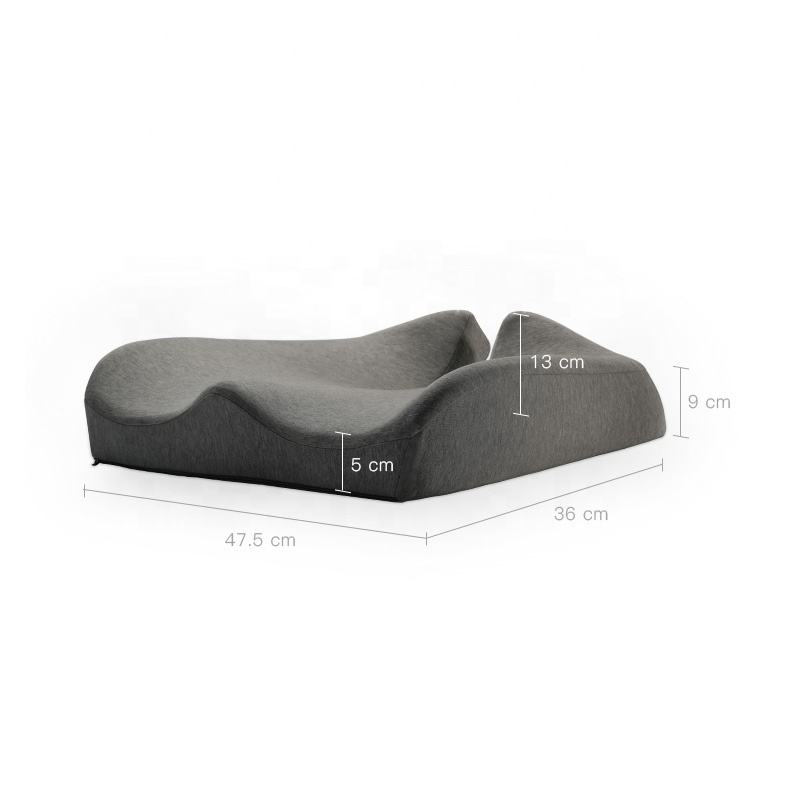
Vakuumforpakning fungerer ved å bruke en tett barrierepose som mekanisk tømmes for luft, slik at atmosfæretrykket presser skummateriallet sammen til en brøkdel av det opprinnelige volumet. For et typisk minneskumpolster kan kompresjonsforhold på 50 % til 75 % av volumet oppnås, avhengig av skumtets tetthet og vakuumtettheten i forseglingen. Et polster som opprinnelig målte 70 cm × 50 cm × 15 cm kan komprimeres til mål nær 70 cm × 50 cm × 5 cm, noe som kraftig reduserer både dets volumetrisk fotavtrykk og den plass det opptar i en fraktskran.
Når du beregner den dimensjonelle vekten på nytt for et vakuumkomprimert minneskumpute i forhold til den opprinnelige emballasjen, blir fraktfordelene meget konkrete. En reduksjon i tykkelse på 66 % fører til en reduksjon i volum på 66 % og dermed en proporsjonal reduksjon i gebyrer for dimensjonell vekt. Avhengig av transportør og handelsrute er det fullt rimelig å forutse fraktomkostningsreduksjoner på 25 % til 40 % per enhet, spesielt for luftexpress- og ePacket-lignende sendinger, der fakturering basert på dimensjonell vekt er mest aggressiv. Den vanligvis nevnte besparelsessatsen på 30 % er oppnåelig, men bør verifiseres mot dine spesifikke produktmål og avtaler med transportøren.
Emballasjematerialer og tetthet av forsegling over lange transportstrekninger
Ikke alle vakuumposer er like, og for tversgrensefrakt er tettheten i forseglingen over en lengre transportperiode uunnværlig. Vakuumforseglingen må tåle trykkforskjeller under luftfrakt, temperatursvingninger i lagermiljøer og fysisk håndteringsstress ved flere sorteringer og overføringspunkter. Industrielle vakuumbarriereposer med flerlagskonstruksjon, vanligvis en kombinasjon av nylon- og polyetylenslag, gir den holdbarheten som kreves for internasjonal e-handelslogistikk som involverer et minneskumputepinneprodukt.
Tetthetsfeil under transport er en av de viktigste risikoen ved vakuumkomprimeringsstrategien. En ødelagt tetning betyr at skummet begynner å ekspandere igjen inne i fraktskassen, noe som potensielt kan føre til at esken deformeres, nabopakker flyttes og produktet ankommer i en svekket tilstand. Å investere i vakuumforpakningsmaterialer av høyere kvalitet og implementere kvalitetskontroll av tettheten før sending er en nødvendig kostnad som må tas med i den totale kostnads-nytteanalysen. For selgere med høy volumproduksjon betaler automatisk vakuumseleutstyr med integrert tetthetsprøving seg relativt raskt.
Beregning av de reelle kostnadsbesparelsene: Et praktisk rammeverk
Utbygging av den virkelige kostnadsmodellen
Overskriften om en reduksjon i fraktomkostningene på 30 % er overbevisende, men den forteller bare en del av den økonomiske historien. For å ta en solid forretningsbeslutning må selgere som sender et minneskumspilke utenlands bygge en fullstendig kostnadsmodell som omfatter alle relevante variabler. På spare-siden er hovedfordelen reduksjonen i beregnbar vekt per enhet, multiplisert med totalt fraktsvolum. Sekundære fordeler inkluderer flere enheter per kartong eller pall, noe som kan redusere håndteringsgebyrer per enhet og forbedre utnyttelsen av containere for samlefrakt med sjøfrakt.
På kostnadssiden må du ta hensyn til selve vakuumforpakningsmaterialene, eventuelle investeringer i forseglingsmaskineri eller arbeidskraft for å drive manuell eller halvautomatisk vakuumutstyr, samt kostnadene for ekstra kvalitetskontrollprosesser. Det finnes også en mer subjektiv kostnad knyttet til kundens opplevelse: hvis opplevelsen av å pakke ut et komprimert minneskumspolster oppfattas som av lavere kvalitet enn et tradisjonelt pakket produkt, kan det ha negative konsekvenser for returneringsrater, anmeldelser og merkevarens omdømme. Disse faktorene er vanskeligere å kvantifisere, men bør ikke ignoreres ved vurdering av strategien for tverrgrenselogistikk.
Brekkepunktanalyse etter handelsrute og transporttype
Den økonomiske begrunnelsen for vakuumforpakning er ikke ensartet på tvers av alle handelsruter eller transporttype. Luftexpress-tjenester fra Asia til Nord-Amerika eller Europa bruker den mest aggresive beregningen av dimensjonsvekt, noe som gjør dem til høyest prioritet for strategier for reduksjon av volum. En pute av minneskum som sendes via luftexpress på en langdistanserute vil gi størst absolutt besparelse i dollar per enhet ved komprimering. I motsetning til dette faktureres sjøfraktbefordringer i fulle containere primært basert på faktisk vekt og utnyttelse av containerplass, noe som endrer beregningen på en betydelig måte.
For selgere som bruker post- eller økonomisk luftfrakt, varierer reglene for volumvekt etter transportør og program. Noen avtaler med posttransportører for små e-handelspakker setter en øvre grense for beregningsvekt ved faktisk vekt for varer under en viss terskel, noe som kan gjøre vakuumforpakning mindre økonomisk gunstig for svært lette sendinger. Break-even-punktet for investeringen i vakuumforpakning vil variere etter handelsrute, så å utvikle en transportørspesifikk modell i stedet for å bruke en enkelt blandet gjennomsnittsverdi gir deg et mye mer nøyaktig bilde av hvor strategien gir reelle avkastninger og hvor dens effekt er marginal.
Nedstrømsoverveielser: Kundopplevelse og produktgjenoppretting
Sette forventninger til gjenopprettingstid og ytelse
En av de mest frekvente bekymringene knyttet til vakuumforpakning av en minneskumpute er om skummet vil gjenoppta sin opprinnelige form og ytelse fullstendig etter en utvidet kompresjon under en tverrgrenseoverskridende transportperiode. Dette er et legitimt teknisk spørsmål, og svaret avhenger i stor grad av skumformuleringen, kompresjonsforholdet og transportvarigheten. For standard åpencell-minneskumprodukter er full gjenoppretting etter vakuumkompresjon i opptil 72 timer under transport generelt pålitelig. Ved lengre transporttider, spesielt ved sjøfrakt som kan vare fra tre til seks uker, øker risikoen for permanent kompresjon, og denne bør vurderes gjennom fysisk testing før man velger denne forpakningsmetoden i større skala.
Å kommunisere forventninger til gjenoppretting til endkundene er like viktig. Internasjonale kjøpere som kjøper et minneskumpute fra en utenlandsk selger kan være ukjent med vakuumforpakket skumvare. Ved å inkludere klare instruksjoner inne i pakken eller på ytre etiketten – der det forklares at produktet trenger 24 til 72 timer for å utvide seg fullstendig til sine angitte mål og fasthetsnivå – reduseres unødvendige returneringsforespørsler og negative anmeldelser som skyldes ren kundeforvirring, og ikke produktmangel. Proaktiv kommunikasjon om dette punktet beskytter både kundens opplevelse og selgerens etter-salgsmål.
Retur, gjeninnpakking og omvendt logistikk
Tverrgrenseomvendt logistikk for skumprodukter er kostbar uavhengig av emballeringsstrategi, men vakuumemballering introduserer en spesifikk kompleksitet: når en kunde åpner et vakuumforseglet minneskumpolster og lar det ekspandere fullstendig, er det vanligvis ikke mulig å pakke det på nytt for retur under den opprinnelige vakuumkomprimeringen uten industriell utstyr. Dette betyr at ethvert returnert produkt fra en internasjonal kunde sannsynligvis må behandles lokalt eller skrives av, avhengig av din logistikkoppsett og kostnaden ved å sende returen tilbake til ditt opprinnelige lager. For selgere med høy volum kan denne faktoren påvirke beslutninger om returpolicy og om det skal opprettes regionale retursentre i nøkkelmarkeder.
På den positive siden skaper den kompakte formfaktoren til vakuumforpaktede skumprodukter muligheter innen tverrgrenselogistikk som tidligere var urimelige. Selgere kan lagre et minneskumpolster i små utlendiske oppfyllingsentre eller bruke tredjepartslogistikkleverandører i mottakerland uten å kreve det store lagerareal som standard, voluminøs skumforpakning krever. Dette muliggjør raskere levering på siste mil, lavere kostnader for siste mil og potensielt en bedre kundopplevelse gjennom kortere leveringstider – alt sammen har reell kommersiell verdi utover ren besparelse på fraktutgifter.
Velge riktig vakuumforpakningsmetode for ditt produkt
Det finnes et meningsfullt utvalg av vakuumforpakningsløsninger, fra enkle manuelle håndpumpeposer som brukes til små mengder eller prøvesendinger til fullt automatiserte industrielle vakuumseglingslinjer som kan behandle flere tusen enheter per dag. For en e-handelsleverandør av minneskumputer som selger på tvers av landegrensene i større skala, gir investering i halvautomatisk eller fullautomatisk vakuumseglingsutstyr basert på ruller vanligvis den beste kombinasjonen av produksjonskapasitet, konsistent tetting og forpakkningskostnad per enhet. Kapitalinvesteringen i slikt utstyr kan ofte dekkes innen én til tre frakt-sesonger, avhengig av volum og fraktkostnadssparing per enhet.
Du bør også vurdere konsekvensene for detaljhandelspresentasjonen av den valgte kompresjonsgraden. Noen leverandører komprimerer sine minne skum pute til den maksimale oppnåelige volumreduksjonen for fraktformål, mens andre bruker en moderat komprimering som likevel gir betydelige fraktkostnadsparelsesmuligheter, men resulterer i et mindre dramatisk komprimert pakke som virker mer premium ved ankomst. Den rette balansen avhenger av ditt målmarked, prissegment og hvor mye vekt din merkevare legger på unboxing-estetikk som en del av kundens opplevelsesstrategi.
Ofte stilte spørsmål
Kan vakuumforpakning virkelig redusere fraktkostnadene med 30 % for et minneskumputepinne?
Ja, en reduksjon i fraktkostnadene på 30 % er oppnåelig for et minneskumputepinne som sendes via luftekspress eller lignende tjenester som beregner frakt basert på volumvekt. Besparelsene avhenger av produktets opprinnelige dimensjoner, komprimeringsforholdet som oppnås gjennom vakuumforpakning og den spesifikke volumvektsformelen som din fraktleverandør bruker. Selgere bør beregne sine egne enhetskostnader ved hjelp av faktiske fraktpriser fra leverandøren, i stedet for å stole på generelle bransjeestimater.
Kan vakuumkomprimering skade minneskum ved lange internasjonale transporttider?
For luftfraktforsendelser på opptil én uke gjenoppretter vakuumkomprimerte minneskumputer vanligvis fullstendig innen 24 til 72 timer etter åpning. For sjøfrakttransporter som varer flere uker, er risikoen for delvis permanent kompresjonshårdhet høyere og varierer avhengig av skumformuleringen. Det anbefales sterkt å gjennomføre fysisk transportssimuleringstesting før vakuumemballasje tas i bruk i stor skala for lange sjøfrakttransporter.
Hvilke emballasjematerialer kreves for tversgrensevakuumemballasje av skumprodukter?
Flerslags barrierposer av nylon-polyeten med forsterkede varmeskler er standarden for internasjonale e-handelsfraktforsendelser av en minneskumpute. Enkeltslags poser eller poser med utilstrekkelig sklebredde er mer utsatt for svikt under trykk- og temperaturvariasjonene i internasjonal luftfrakt. Kvalitetskontroll av skleintegritet før utsendelse er en viktig prosesssteg som bør integreres i produksjonsarbeidsflyten.
Hvordan påvirker vakuumforpakning den totale kundopplevelsen for internasjonale kjøpere?
Kunder som ikke er kjent med vakuumforpakket skumprodukter kan bli overrasket eller bekymret når et minneskumpolster ankommer i en betydelig komprimert tilstand. Å inkludere klare utvidelsesinstruksjoner på emballasjen og i digitale kommunikasjonsmateriell, for eksempel i bekreftelseseposter for bestillinger, reduserer betydelig antallet returforespørsler som skyldes forvirring. Når det håndteres proaktivt, kan vakuumforpakning faktisk forbedre kundens opplevelse ved å muliggjøre raskere levering gjennom regionale fullføringslager og skape et minneverdig åpningsøyeblikk når polstret utvider seg til full størrelse.
Innholdsfortegnelse
- Forståelse av volumvekt og hvorfor minneskumprodukter blir straffet
- Hvordan vakuumforpakning reduserer fraktvolum og -kostnader
- Beregning av de reelle kostnadsbesparelsene: Et praktisk rammeverk
- Nedstrømsoverveielser: Kundopplevelse og produktgjenoppretting
-
Ofte stilte spørsmål
- Kan vakuumforpakning virkelig redusere fraktkostnadene med 30 % for et minneskumputepinne?
- Kan vakuumkomprimering skade minneskum ved lange internasjonale transporttider?
- Hvilke emballasjematerialer kreves for tversgrensevakuumemballasje av skumprodukter?
- Hvordan påvirker vakuumforpakning den totale kundopplevelsen for internasjonale kjøpere?