
 EN
EN



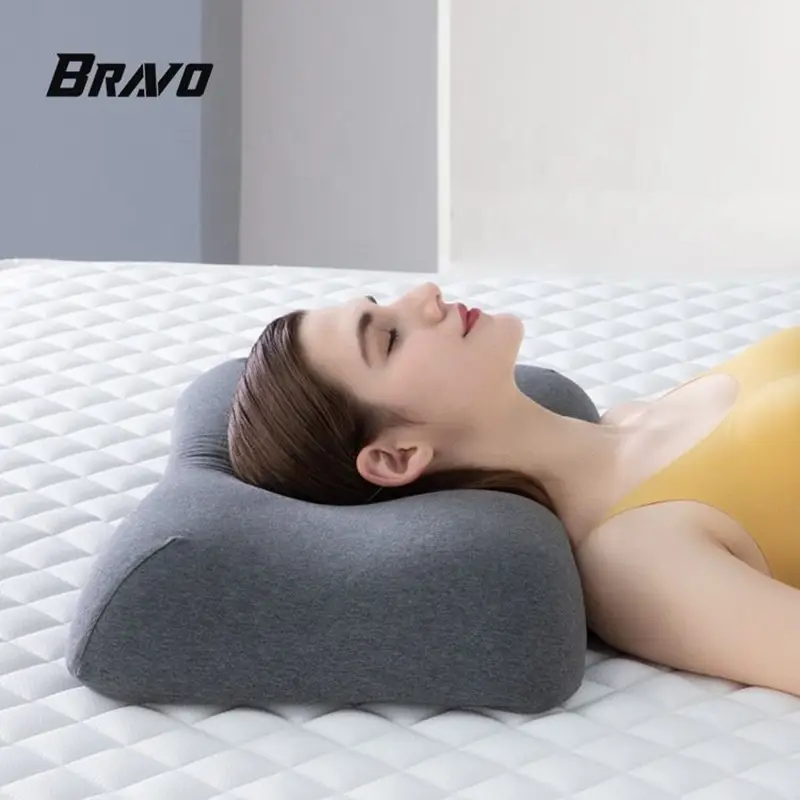
Az online kis eladók, akik belépnek a memóriahab-piacon, gyakran alábecsülik a beszerzés összetettségét, ami költséges hibákhoz vezethet, és súlyosan károsíthatja a nyereségességet és az ügyfélelgégedést. termék a memóriahab-ipar egyedi kihívásokat jelent, amelyek szakspecifikus ismereteket igényelnek az anyagtulajdonságokról, a gyártási szabványokról és a minőségellenőrzési intézkedésekről. A leggyakoribb memóriahab-beszerzési csapdák megértése elengedhetetlen ahhoz, hogy fenntartható vállalkozást építsenek ebben a versengő piaci környezetben.
A kis eladók, akik figyelmen kívül hagyják a kulcsfontosságú beszerzési paramétereket, gyakran termék-visszaküldésekkel, negatív értékelésekkel és szabályozási megfelelőségi problémákkal szembesülnek, amelyek véglegesen károsíthatják márkanevüket. Az ebben az elemzésben ismertetett öt alapvető paraméter a memóriahab beszerzésének leginkább figyelmen kívül hagyott aspektusait tükrözi, és mindegyik jelentős pénzügyi és működési kockázatot rejt magában, ha helytelenül kezelik őket. Ezeknek a paramétereknek a megfelelő ismerete lehetővé teszi az eladók számára, hogy elkerüljék a memóriahab beszerzésének csapdáit, amelyek sok versenytársukat kiszorítják a piacról.
Sűrűség-specifikációk és teljesítményre gyakorolt hatások
A hab sűrűségosztályozásának megértése
A memóriahab sűrűsége közvetlenül befolyásolja a termék teljesítményét, tartósságát és az ügyfelek elégedettségét, mégis sok kis eladó kizárólag az árra összpontosít, anélkül, hogy figyelembe venné a sűrűség következményeit. A 3 font/köbláb alatti alacsony sűrűségű habok kezdetben kellemesek lehetnek, de gyorsan elvesztik a támasztást, ami ügyfélpanaszokhoz és visszaküldésekhez vezet. A 3–5 font/köbláb közötti közepes sűrűségű habok a legtöbb alkalmazáshoz kiegyensúlyozott teljesítményt nyújtanak, míg az 5 font/köbláb feletti magas sűrűségű változatok kiváló élettartamot biztosítanak, de magasabb áron.
Azok az eladók, akik figyelmen kívül hagyják a sűrűségre vonatkozó előírásokat, gyakran olyan anyagokat szereznek be, amelyek nem megfelelőek célpiacuk számára, így ellentmondásos vásárlói elvárások és termék-teljesítmény alakul ki. A sűrűség és a merevség közötti kapcsolat gyakran összezavarja a tapasztalatlan vásárlókat, mivel a magasabb sűrűség nem feltétlenül jelent keményebb érzést. Ezeknek a finom megkülönböztetéseknek a megértése megelőzi a memóriahab-beszerzési buktatókat, amelyek az ügyfelek elégedetlenségéhez és a termék helytelen pozicionálásához vezethetnek.
Költség–teljesítmény arány egyensúlya a sűrűség kiválasztásában
Az optimális sűrűség kiválasztása azt igényli, hogy a anyagköltségeket összehangoljuk a célpiac elvárásaival és a versenyhelyzettel. A prémium piacok általában magasabb sűrűségű habokat igényelnek a megnövelt tartósság érdekében, míg a költségtudatos fogyasztók gyakran az elsődleges komfortot helyezik előtérbe a hosszú távú élettartam helyett. A bölcs eladók elemzik ügyfél-demográfiájukat és használati mintáikat, hogy olyan sűrűségtartományokat válasszanak, amelyek maximális ügyfélegyedülést biztosítanak elfogadható költségkereteken belül.
A gyártási hatékonyság szintén jelentősen eltér a különböző sűrűségtartományok között, ami hatással van a gyártási időkeretekre és a minőség egyenletességére. Az alacsonyabb sűrűségű habok általában gyorsabban feldolgozhatók, de óvatos kezelést igényelnek a hibák megelőzése érdekében, míg a magasabb sűrűségű anyagok hosszabb keményedési időt és speciális berendezéseket igényelnek. Ezek a gyártástechnológiai szempontok közvetlenül befolyásolják a beszerzési döntéseket és a szállítási ütemterveket kis méretű eladók esetében, akik korlátozott készletpufferrel működnek.
Kémiai összetétel és biztonsági szabványok
Mérgező anyagok azonosítása és elkerülése
A memóriahab kémiai összetétele gyártónként jelentősen eltér, és egyes gyártók potenciálisan káros anyagokat használnak, amelyek felelősségi kockázatot jelentenek az eladók számára. A illékony szerves vegyületek, nehézfémek és tiltott gyújtásgátló anyagok komoly biztonsági aggályokat jelentenek, amelyek termék-visszahíváshoz és jogi eljárásokhoz vezethetnek. A felelős eladók átfogó kémiai vizsgálati protokollokat alkalmaznak ezeknek az anyagoknak az azonosítására, mielőtt nagyobb rendeléseket adnának le vagy hosszú távú beszállítói kapcsolatokat építenének ki.
Sok kis eladó feltételezi, hogy az alacsony árú hab automatikusan veszélyes vegyi anyagokat tartalmaz, de ez a korreláció nem mindig helytálló. Egyes gyártók tisztább összetételű termékeket kínálnak versenyképes áron, míg mások magasabb árat kérnek olyan termékekért, amelyek aggodalomra okot adó anyagokat tartalmaznak. Az hatékony beszerzés részletes kémiai nyilatkozati dokumentációt és független harmadik fél általi vizsgálati igazolást igényel a memóriahab-beszerzési csapdák elkerülése érdekében a termék biztonságával és szabályozási megfelelőségével kapcsolatos.
Tanúsítási követelmények és dokumentáció
A terméktanúsítási követelmények jelentősen eltérnek különböző piacokon és alkalmazásokban, így összetett megfelelőségi környezetet teremtve azok számára, akik több régióra is célzottan kínálnak termékeket. A CertiPUR-US tanúsítás alapvető biztonsági garanciát nyújt az észak-amerikai piacokon, míg az OEKO-TEX szabványok a európai fogyasztói elvárásokat tükrözik. Egyes speciális alkalmazásokhoz – például orvosi eszközök vagy gyermektermékek esetében – további tanúsítások is szükségesek.
A dokumentációkezelés egyre nehezebbé válik, ahogy a kereskedők bővítik termékvonalukat és célpiaconként is szélesítenek. Minden tanúsítás folyamatos ellenőrzési követelményekkel és időszakos újratanúsítási folyamatokkal jár, amelyeket hosszú távú beszerzési stratégiákba be kell építeni. Azok a kereskedők, akik figyelmen kívül hagyják a tanúsítási tervezést, gyakran csak akkor fedezik fel a megfelelőségi hiányosságokat, miután jelentős készletbeszerzésbe fektettek, ami költséges korrekciós intézkedéseket és piacra jutási késéseket eredményez.
Gyártási minőségellenőrzési folyamatok
Gyártási konzisztencia figyelése
A memóriahab gyártása összetett kémiai reakciókat és pontos időzítést igényel, amelyek jelentősen eltérhetnek a különböző gyártási ciklusok között, ezért a konzisztencia figyelése elengedhetetlen a termékminőség fenntartásához. A hőmérséklet-ingadozások, a páratartalom-változások és az alapanyagok minőségbeli ingadozásai mind olyan módon befolyásolják a végső termék tulajdonságait, amit a szokásos minőségellenőrzési módszerek esetleg nem tudnak észlelni. A fejlett forgalmazók statisztikai folyamatszabályozási módszereket alkalmaznak annak érdekében, hogy a hibákat akkor azonosítsák, mielőtt azok a végfelhasználókhoz eljutó termékekbe kerülnének.
A tételtesztelési protokolloknak mind a fizikai tulajdonságokat, mind az érzékszervi jellemzőket figyelembe kell venniük annak biztosítására, hogy a vásárlói élmény konzisztens legyen több megrendelés során is. A nyomásvizsgálat, a visszaállási idő mérése és a szagértékelés objektív minőségi mutatókat szolgáltat, miközben képzett értékelők a szubjektív tényezőket – például a kezdeti érzetet és a hőmérsékletérzékenységet – vizsgálják. Ezek a komplex tesztelési módszerek segítenek a forgalmazóknak elkerülni a memóriahab-forrásokból eredő problémákat, amelyek a termék teljesítményének és a vásárlói elvárásoknak az inkonzisztenciájához vezethetnek.
Beszállítói minőségirányítási rendszerek
Az hatékony beszállítói minőségmenedzsment folyamatos felügyeletet és kapcsolatépítést igényel, nem pedig időszakos auditokat vagy ellenőrzési tevékenységeket. A vezető gyártók dokumentált minőségirányítási rendszert alkalmaznak, amelyben egyértelmű felelősségi szerkezet és folyamatos fejlesztési folyamatok szerepelnek. A forgalmazóknak a beszállítói minőségmenedzsment képességeit a kiválasztási folyamat során kell értékelniük, és folyamatos felügyeleti protokollokat kell létrehozniuk a teljesítményszintek fenntartása érdekében.
A forgalmazók és gyártók közötti kommunikációs protokollok jelentősen befolyásolják a minőségi eredményeket, különösen akkor, ha egyedi specifikációk vagy különleges követelmények állnak fenn. A világos specifikációk dokumentálása, a rendszeres folyamatfelülvizsgálatok és az eszkalációs eljárások segítenek megelőzni azokat a félreértéseket, amelyek kompromittálhatják a termék minőségét. A szoros beszállítói kapcsolatok építése emellett hozzáférést biztosít a műszaki szakértelemhez és piaci információkhoz, amelyek javítják a beszerzési döntéseket és a versenyképes pozícionálást.
Készletgazdálkodási lánc és logisztika
Szállítási idő kezelése és készlettervezés
A memóriahab gyártása hosszú kemencés érlelési és kiürülési időszakokat igényel, amelyek jelentősen befolyásolják a szállítási határidőket más anyagokhoz képest, így gondos készletgazdálkodás szükséges az elegendő készletszint fenntartásához. A szokásos gyártási ciklus általában 2–4 hetet vesz igénybe alapvető termékek esetében, míg egyedi specifikációk vagy különleges tanúsítások esetén a határidők 8–12 hétre is meghosszabbodhatnak. A szezonális kereslet-ingerek és a szállítási korlátozások tovább bonyolítják a pontos időzítés megtervezését kis méretű eladók számára, akik korlátozott forgótőkével rendelkeznek.
Az határidők hatékony kezeléséhez mind a gyártási ütemtervek, mind a logisztikai kapacitások teljes ellátási láncban történő ismerete szükséges. A kiköti torlódások, a vámhatósági késedelmek és a szállítási kapacitás korlátozottsága heteket vagy akár hónapokat is hozzáadhat a tervezett szállítási időkhöz. A rugalmas eladók tartalékellátókat, gyorsított szállítási lehetőségeket és pufferkészlet-stratégiákat is beépítenek tervükbe, hogy minimalizálják a váratlan késedelmek okozta zavarokat.
Szállítási és tárolási szempontok
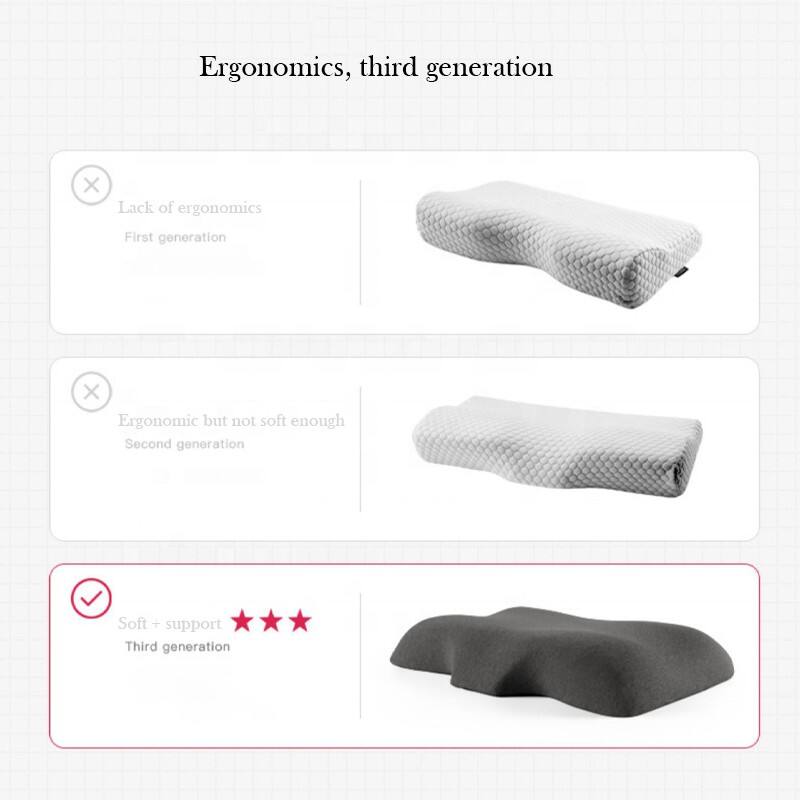
A memóriahab-termékek egyedi szállítási kihívásokat jelentenek a tömörített csomagolás, a hőmérsékletérzékenység és a dimenziós súly kiszámítása tekintetében, amelyek hatással vannak a szállítási költségekre és a kézbesítési határidőkre. A tömörített csomagolás jelentősen csökkentheti a szállítási költségeket, de speciális felszerelést és gondos kezelést igényel a termék integritásának megőrzése érdekében. A szállítás során fellépő extrém hőmérsékleti viszonyok befolyásolhatják a hab teljesítményjellemzőit, ezért prémium termékek esetében klímavezérelt szállítás szükséges.
A memóriahab termékek tárolási követelményei túlmutatnak az alapvető raktározási szempontokon, és a szellőzést, hőmérséklet-szabályozást valamint a szennyeződés megelőzését is magukban foglalják. A megfelelőtlen tárolási körülmények szagképződéshez, a teljesítmény romlásához és a gyorsabb öregedéshez vezethetnek, amelyek mindegyike veszélyezteti a termék minőségét. Ezek a tárolási követelmények gyakran meglepik az új eladókat, akik alábecsülik a memóriahab termékek sikeres forgalmazásához szükséges infrastrukturális beruházások mértékét, így további, a memóriahab beszerzésre vonatkozó csapdákat teremtenek, amelyek negatívan befolyásolják a jövedelmezőséget és az ügyfél-elégedettséget.
Árazási stratégia és piaci pozicionálás
Költségszerkezet-elemzés és nyereségmarzs-optimalizálás
A memóriahab árazási struktúrái több költségkomponenst is magukban foglalnak a alapanyag-költségeken túl, például tanúsítási díjakat, vizsgálati költségeket, speciális csomagolást és meghosszabbított tárolási igényeket, amelyek hatással vannak az összprofitabilitásra. Sok kis eladó kizárólag az egységenkénti alapanyag-költségekre összpontosít, figyelmen kívül hagyva ezeket a további kiadásokat, ami gyengén kidolgozott árazási stratégiákhoz és szűkülő nyereségmar-ginokhoz vezet. A teljes körű költségelemzésnek minden közvetlen és közvetett költséget tartalmaznia kell, amely a memóriahab beszerzésével és forgalmazásával kapcsolatos.
A piaci pozícionálási döntések jelentősen befolyásolják a memóriahab-termékek elfogadható költségstruktúráját és beszerzési stratégiáját. A prémium pozícionálás lehetővé teszi a magasabb anyagköltségeket és a fejlett funkciókat, de ehhez megfelelő marketingberendezésekre és ügyféltájékoztatási tevékenységre is szükség van. A költséghatékony pozícionálás agresszív költségmenedzsmentet igényel, miközben fenntartja a minimális minőségi szabványokat, amelyek kielégítik az alapvető ügyfélvárakozásokat. Ennek a kompromisszumoknak a megértése segít elkerülni a memóriahab-beszerzési csapdákat, amelyek a piaci pozícionálás és a költségstruktúra közötti nem megfelelő összhangból fakadnak.
Versenyelemzés és differenciálási stratégiák
Az emlékhab-piacon hatékony differenciálás érdekében meg kell érteni a termékjellemzőket és az ügyfél számára nyújtott értékajánlatokat is, amelyek túlmutatnak az alapvető kényelem- és támasztási funkciókon. Innovációs lehetőségek nyílnak például a hűtési technológiák, az antimikrobiális kezelések, a fenntartható anyagok és a speciális ergonómiai tervek területén. Azok a forgalmazók, akik egyedi értékajánlatokat azonosítanak, prémiumárakat tudnak kikényszeríteni, és csökkenthetik az árverseny intenzitását a kommoditás-szintű szállítókkal szemben.
A piackutatásnak nemcsak a hasonló termékeket kínáló közvetlen versenytársakat, hanem a különböző megközelítésekkel ugyanazt az ügyféligényt kielégítő közvetett alternatívákat is figyelembe kell vennie. A látex, a géllal átitatott habok és a hibrid szerkezetek olyan alternatív megoldások, amelyeket a vásárlók az emlékhab-termékek értékelése során fontolóra vehetnek. A versenyhelyzet megértése segít a forgalmazóknak optimalizálni beszerzési stratégiáikat a piaci lehetőségek kihasználása érdekében, miközben elkerülik a túlzsúfolt szegmenseket, amelyek korlátozott profitpotenciállal rendelkeznek.
GYIK
Mik azok a legdrágább memóriahab-forrásképzési hibák, amelyeket a kis méretű eladók követnek el?
A legnagyobb költséggel járó memóriahab-forrásképzési csapdák közé tartozik a célpiacokhoz nem megfelelő sűrűségszintek kiválasztása, a piacra jutást lehetetlenné tevő tanúsítási követelmények figyelmen kívül hagyása, valamint a szállítási, tárolási és megfelelőségi költségeket is magukban foglaló teljes költségstruktúra alábecslése. Ezek a hibák gyakran visszatérítési igényekhez, szabályozási problémákhoz és pénzforgalmi nehézségekhez vezetnek, amelyek teljesen eltörölhetik a nyereségmarzsot, vagy akár a vállalkozás bezárását is eredményezhetik. A megfelelő tervezés és a beszállítók értékelése segíthet elkerülni ezeket a drága hibákat.
Hogyan ellenőrizhetik a kis méretű eladók a memóriahab minőségét nagyobb rendelések leadása előtt?
Az hatékony minőségellenőrzés érdekében minták kérésére van szükség független vizsgálat céljából, a beszállítók tanúsítványainak és minőségirányítási dokumentumainak átnézésére, valamint – ha lehetséges – gyártóüzemek ellenőrzésére. Független harmadik féltől származó vizsgálólaborok elemzhetik a kémiai összetételt, a fizikai tulajdonságokat és a teljesítményjellemzőket annak azonosítására, hogy esetleges problémák merülnek-e fel nagyobb mennyiségű megrendelés előtt. Ezen felül a részletes műszaki leírások és a gyártási folyamat dokumentációjának kérése segít a beszállító képességeinek és konzisztenciájának értékelésében.
Milyen szállítási határidőket várhatnak kis kereskedők a memóriahab termékek beszerzésekor?
A szokásos memóriahab-termékek gyártása, érlelése, csomagolása és szállítása általában összesen 4–8 hétet vesz igénybe, míg egyedi specifikációk vagy különleges tanúsítások esetén a határidő 12–16 hétre is meghosszabbodhat. A szezonális kereslet-ingerek, a szállítási korlátozások és az alapanyagok rendelkezésre állása további késéseket okozhat. A sikeres forgalmazók általában 3–6 hónappal korábban tervezik meg készletbeszerzéseiket, és pufferkészletet tartanak fenn a váratlan késések vagy keresletcsúcsok kezelésére.
Léteznek olyan tanúsítások, amelyek különböző piacokon kötelezőek a memóriahab-termékek számára?
A CertiPUR-US tanúsítványt általában az észak-amerikai piacok követelik meg, míg az európai piacok általában az OEKO-TEX vagy hasonló szabványokat várják el. Egyes speciális alkalmazásokhoz további tanúsítások is szükségesek lehetnek, például a GREENGUARD alacsony kibocsátásra, a CPSC-előírások betartása gyermektermékek esetén, illetve az FDA-jóváhagyás orvosi alkalmazásokhoz. A konkrét tanúsítási követelmények a célpiacoktól, a termékalkalmazásoktól és az értékesítési csatornáktól függenek, ezért korai tervezés elengedhetetlen a memóriahab-források piacra jutási korlátozásokból eredő problémáinak elkerüléséhez.
Tartalomjegyzék
- Sűrűség-specifikációk és teljesítményre gyakorolt hatások
- Kémiai összetétel és biztonsági szabványok
- Gyártási minőségellenőrzési folyamatok
- Készletgazdálkodási lánc és logisztika
- Árazási stratégia és piaci pozicionálás
-
GYIK
- Mik azok a legdrágább memóriahab-forrásképzési hibák, amelyeket a kis méretű eladók követnek el?
- Hogyan ellenőrizhetik a kis méretű eladók a memóriahab minőségét nagyobb rendelések leadása előtt?
- Milyen szállítási határidőket várhatnak kis kereskedők a memóriahab termékek beszerzésekor?
- Léteznek olyan tanúsítások, amelyek különböző piacokon kötelezőek a memóriahab-termékek számára?