
 EN


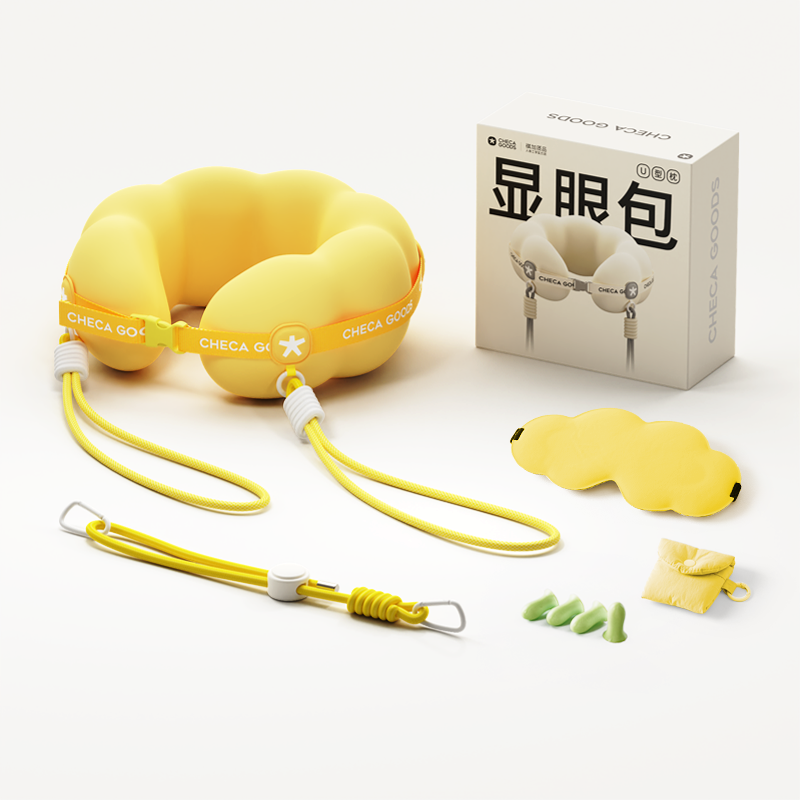
Choosing between OEM and ODM for a memory foam pillow is a decision about who owns the product concept, how much control your team needs, and what resources you can commit. OEM generally turns your specifications into a product; ODM starts with an existing design that can be adapted. The right route depends on the brand strategy, not simply on which option sounds faster.
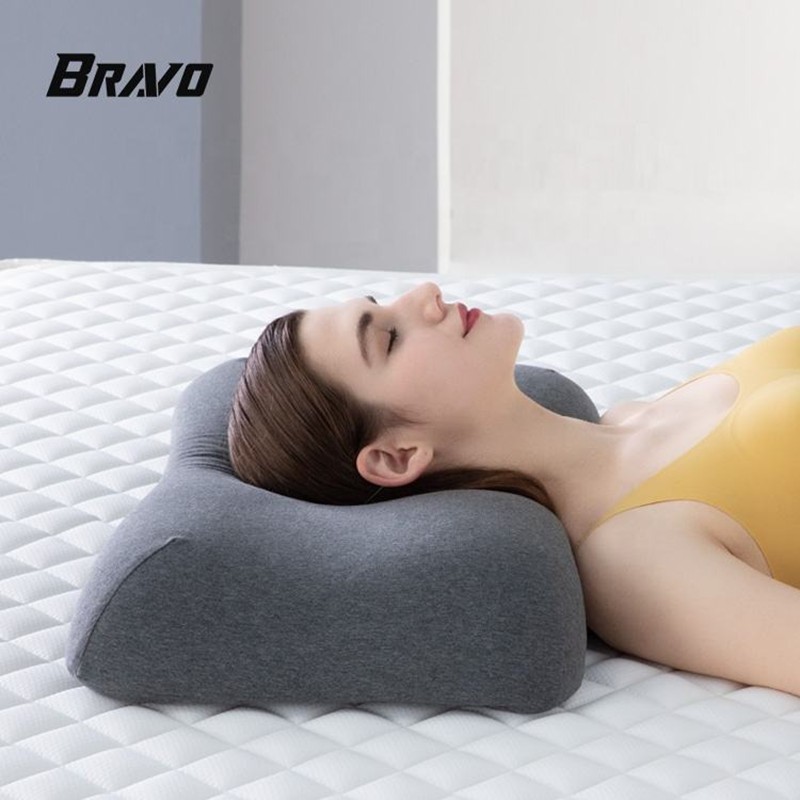
For a brand evaluating a memory foam pillow, the distinction affects design work, sampling, documentation, and launch planning. OEM may suit a team with a defined product brief and the capacity to manage development details. ODM may fit a team seeking a faster path from a proven product platform to its own market offer. Clarifying those needs first makes the comparison more useful.
How OEM and ODM differ in product development
OEM begins with your specification
In an OEM arrangement, your business provides the design direction and required specifications for the memory foam pillow. These may cover contour shape, dimensions, foam characteristics, cover construction, packaging, and quality expectations. The manufacturing partner produces to the agreed brief, while your team has a larger role in defining what the finished product should be.
That control can help a brand create a memory foam pillow suited to a distinct customer segment or a broader sleep-product system. It also means the brief must be clear enough to guide development. Vague requirements can create repeated sampling rounds, so teams should translate customer needs into measurable criteria and confirm which details are adjustable before production planning.
ODM adapts an existing product platform
With ODM, the provider brings an existing design or product platform, and the brand selects or adjusts available features. A memory foam pillow may be customized through elements such as cover fabric, color, labeling, packaging, or selected dimensions, depending on the available options. The exact scope should be confirmed rather than assumed from the ODM label.
This route reduces the amount of original product definition your team must supply. It can make sense when the core purpose of the memory foam pillow is already established and differentiation will come from positioning, presentation, or a limited set of product choices. Ask which specifications are fixed, which can change, and whether changes affect samples, cost, or timing.
Choosing by brand resources and differentiation
Match development control to your capabilities
OEM is most suitable when your team can manage product requirements, review technical samples, and make decisions across development stages. A memory foam pillow made to a specific brief may require coordination among product, quality, packaging, and commercial teams. Assigning one decision owner and documenting approvals helps prevent conflicting feedback from delaying progress.
ODM can be a practical fit for a smaller team or a brand testing a category before investing in a fully bespoke memory foam pillow. Existing design choices can simplify early decisions, but they do not remove the need for due diligence. Review construction details, available customization, quality records, and product documentation before committing to a commercial launch.
Decide where customers will notice difference
Consider what makes your memory foam pillow meaningfully distinct in the market. If the value proposition depends on a particular contour, support profile, material combination, or fit for a defined use case, OEM may give you more room to specify those characteristics. The benefit is meaningful only if the difference matters to buyers and can be communicated clearly.
If customers are more likely to distinguish the memory foam pillow through brand identity, packaging, channel strategy, or curated product selection, ODM may provide enough flexibility. Map each proposed customization to a customer benefit instead of adding features for appearance alone. This keeps product decisions tied to positioning and avoids complexity that does not strengthen the offer.
Managing cost, timing, and launch risk
Evaluate the full development commitment
OEM can require more front-end work because your team must define and validate the memory foam pillow design. Budget discussions should account for development samples, testing, revisions, tooling or other setup needs where applicable, and the time of internal staff. The commercial terms vary, so request a clear breakdown rather than treating customization as a single cost item.
ODM may reduce design effort, but a memory foam pillow still needs review for fit with your standards and intended market. Compare the total landed and launch costs, including packaging adaptations, required testing, inventory commitments, and any limits on customization. A shorter development route does not automatically mean a lower overall cost or less operational work.
Build a controlled decision and approval process
For either model, begin by setting the target customer, price position, channel requirements, and must-have product attributes. Then compare OEM and ODM against those criteria, not against assumptions about speed or convenience. For a memory foam pillow, sample evaluation should include the feel and shape as well as cover quality, care instructions, packaging, and consistency with the written specification.
Before approving production, record the final specifications, inspection expectations, labeling details, and change-control process. If you are exploring an existing memory foam pillow design, confirm what can be adapted and what remains standard. Clear sign-offs make the selected route easier to manage and reduce avoidable misunderstandings.
FAQ
Is OEM always more customizable than ODM?
Usually, OEM starts with a broader opportunity to define the product, while ODM uses an existing design as its foundation. However, actual flexibility depends on the specific agreement and capabilities. Ask which memory foam pillow features can be changed, who approves those changes, and whether modifications affect development requirements or commercial terms.
Is ODM appropriate for a new brand?
It can be, particularly when a new brand wants to validate demand without defining every element of a memory foam pillow from the beginning. The brand still needs to assess product fit, quality expectations, differentiation, and market requirements. An existing design is a starting point, not a substitute for customer research or product review.
What should a brand decide before requesting proposals?
Prepare a clear brief covering audience, intended positioning, target price, required features, packaging, and launch needs. Identify which memory foam pillow attributes are essential and which are flexible. This helps potential development routes be assessed on comparable terms and lets your team see whether OEM-level control or ODM adaptation is the better fit.