
 EN
EN


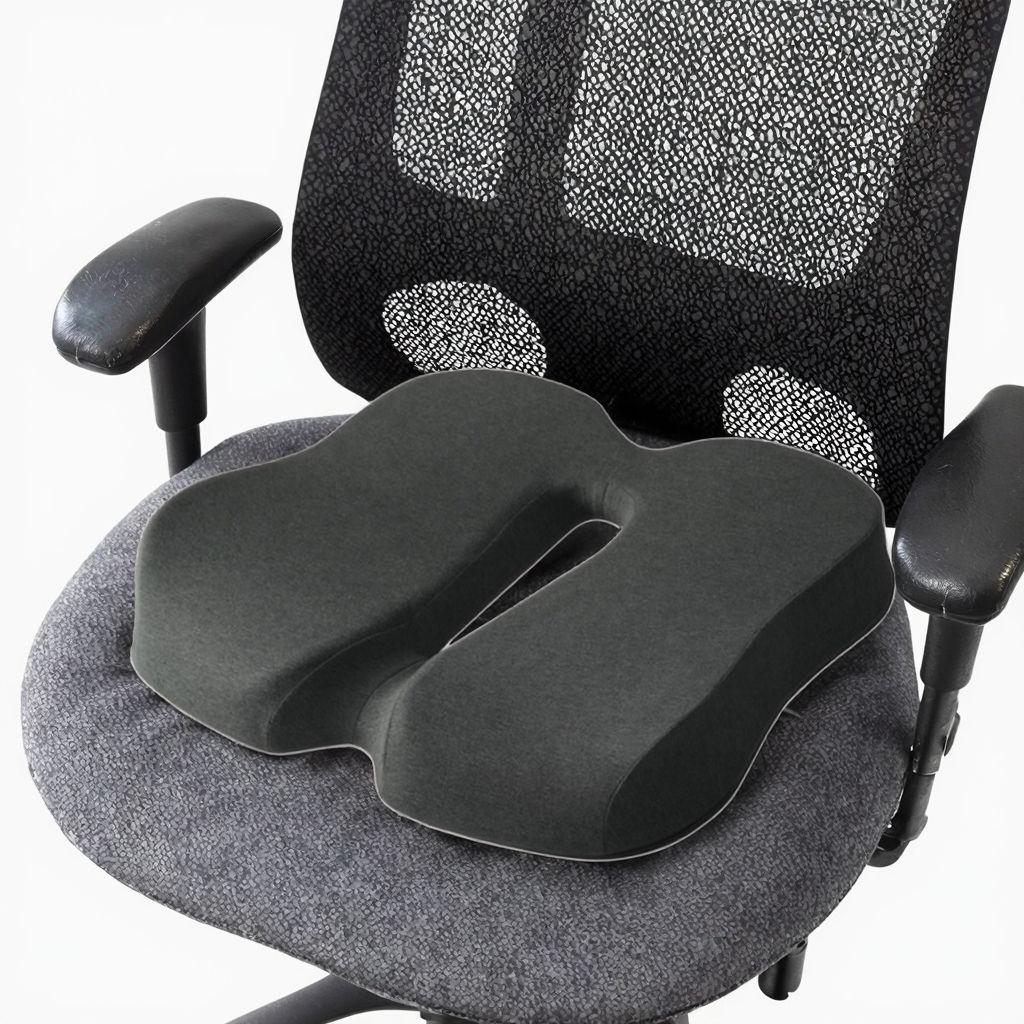
In the competitive world of sleep wellness retail, earning a customer's first purchase is only half the battle. The real challenge — and the real opportunity — lies in converting that one-time buyer into a loyal, returning customer. For B2B retailers, distributors, and private-label brands operating in the bedding and sleep health space, product selection is the single most powerful lever for driving repeat orders. When it comes to pillows, few decisions carry more long-term commercial weight than choosing the right memory foam pillow to stock, promote, and build your brand around.
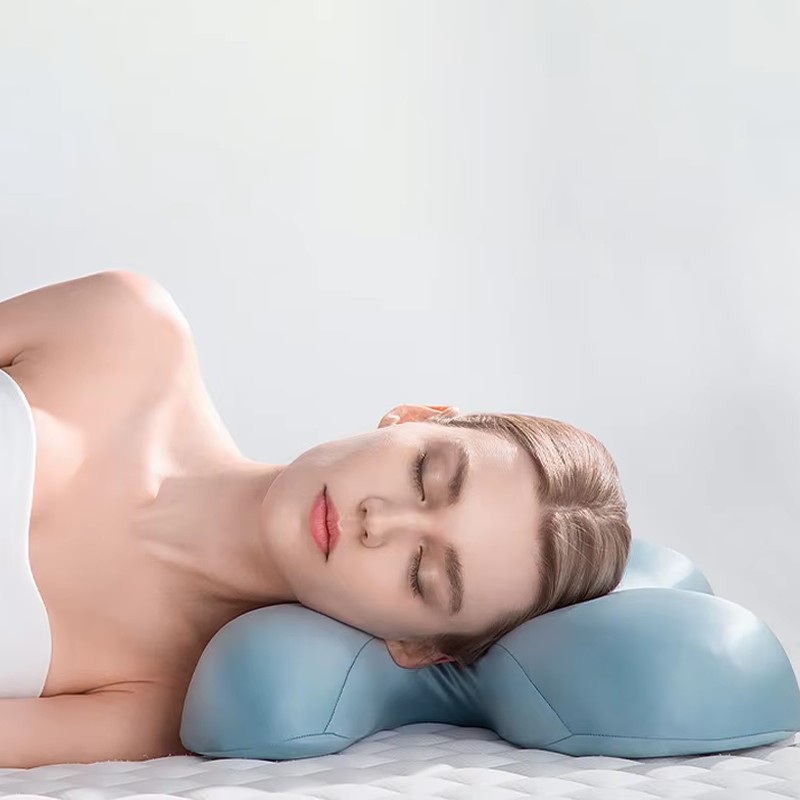
The logic is straightforward: a customer who sleeps better because of a product you sold them will come back. They will buy a second one for a guest room, recommend it to a partner, or upgrade when a new version launches. However, a customer who experiences neck pain, overheating, or a pillow that loses its shape within months will quietly disappear — and take their social proof with them. This is why proper memory foam pillow selection is not merely a sourcing decision; it is a customer retention strategy with measurable impact on your bottom line.
The Customer Retention Link in Sleep Product Retail
Why Pillow Performance Drives Repurchase Behavior
Sleep is deeply personal, and when a product genuinely improves a customer's rest, it creates a strong emotional and physical association. A high-quality memory foam pillow that delivers consistent neck support, pressure relief, and temperature comfort becomes a nightly necessity rather than a commodity item. This shift in perception — from purchase to dependency — is the psychological foundation of repeat buying.
Research in consumer behavior consistently shows that satisfaction with sleep-related products has one of the highest net promoter scores across lifestyle categories. Buyers who feel tangible improvements in their sleep quality are far more likely to reorder, upgrade, and recommend. For retailers, this translates directly into reduced customer acquisition costs and higher lifetime value per account.
When you stock the right memory foam pillow from the start, you are not just filling shelf space — you are building a feedback loop where product performance fuels word-of-mouth referrals and return visits. Conversely, poor selection leads to returns, negative reviews, and silent churn that erodes your brand equity over time.
The Cost of Getting Pillow Selection Wrong
A memory foam pillow that underperforms creates cascading problems for B2B operators. Returns cost money to process, restock, and manage. Negative reviews suppress conversion rates on your product listings. Customer service inquiries about firmness, odor, or durability strain your team and damage trust. These are not abstract risks — they are well-documented patterns in the sleep accessories category.
Beyond operational costs, the opportunity cost of a poor memory foam pillow selection is significant. Every dissatisfied customer is a lost referral, a lost repeat order, and potentially a gain for a competing brand. In wholesale and B2B environments where margins depend on volume, losing even a modest percentage of repeat buyers due to product dissatisfaction can meaningfully impact annual revenue.
The good news is that these risks are largely preventable. Understanding what separates a memory foam pillow that retains buyers from one that loses them is an actionable, learnable discipline — and one that directly serves your commercial objectives.
Key Technical Attributes That Determine Buyer Satisfaction
Foam Density and Its Role in Long-Term Support
Density is one of the most decisive technical attributes of any memory foam pillow, yet it is frequently misunderstood or overlooked in procurement decisions. Foam density refers to the weight of the foam per cubic foot and directly affects how well the pillow maintains its shape and support characteristics over time. A memory foam pillow with insufficient density will compress prematurely, losing its ability to provide the neck and head support customers depend on.
For repeat order generation, density matters because it determines durability. A pillow that retains its structural integrity for two or more years gives customers a reason to return and repurchase when natural replacement time arrives. A pillow that flattens within six months triggers early dissatisfaction and reduces the chance of a loyal return. When evaluating a memory foam pillow for your product range, always assess density specifications alongside intended use cases such as side sleeping, back sleeping, or anti-aging positioning.
Higher-density memory foam also tends to offer better motion isolation and more precise contouring, both of which are strong selling points that differentiate your offering in crowded retail environments. These attributes generate the kind of positive, sensory-driven feedback that translates into customer loyalty.
Ergonomic Design and Targeted Positioning
A memory foam pillow designed with ergonomic intent — meaning it has been engineered to support a specific sleep posture or address a particular consumer need — tends to generate stronger customer satisfaction and more enthusiastic word-of-mouth than generic alternatives. For example, a memory foam pillow specifically contoured for side sleepers provides elevated lateral support that standard pillows cannot replicate. When a customer feels that difference on the first night, the impression is lasting.
Specialized designs such as anti-wrinkle or beauty sleep pillows add a wellness and cosmetic dimension that resonates powerfully with health-conscious consumers. A memory foam pillow that combines neck support with skin-care benefits creates a unique value proposition that is both easy to communicate and easy to remember. This kind of multi-benefit product is particularly effective in B2B contexts where buyers are looking to differentiate their store offering.
Ergonomic specificity also narrows the gap between customer expectations and product experience. When a memory foam pillow is clearly positioned for a defined use case and delivers on that positioning, returns drop and satisfaction scores rise. This alignment between product promise and product performance is the most reliable pathway to repeat purchase behavior.
Selecting Memory Foam Pillows That Match Your Buyer Demographics
Understanding End-User Profiles Before You Source
Not every memory foam pillow will perform equally well across all customer demographics. Before selecting which products to carry, it is essential to understand who your end buyers are and what their primary sleep concerns tend to be. Side sleepers, for example, require a memory foam pillow with greater loft and lateral firmness to maintain spinal alignment. Back sleepers need a lower-profile design with even contouring across the cervical spine.
Beauty-conscious consumers and those seeking anti-aging sleep solutions represent a growing and highly engaged segment. For this demographic, a memory foam pillow that minimizes facial compression and supports skin health overnight addresses a distinct pain point that creates strong brand loyalty. When you source products that speak directly to these specific motivations, you increase the relevance of your offering and deepen the emotional connection between buyer and product.
Mapping your memory foam pillow range to clearly defined customer profiles also makes your marketing communications more targeted and effective. Instead of promoting a generic sleep product, you are solving a specific, named problem — and that precision is what separates high-retention retail brands from commodity resellers.
The Role of Positioning in Perceived Value and Loyalty
How a memory foam pillow is positioned influences how customers perceive its value and whether they feel motivated to return for more. A pillow marketed as a 'therapeutic neck support solution' or a 'beauty sleep enhancer' occupies a higher perceived value tier than a product simply described as a foam pillow. This positioning affects not only initial purchase decisions but also the customer's subjective experience of the product — because expectations shape perception.
For B2B buyers sourcing inventory for retail, e-commerce, or hotel supply, choosing a memory foam pillow with clear, defensible positioning helps you build a coherent product narrative. That narrative is what makes your brand memorable and what gives customers a reason to return. A well-positioned memory foam pillow also supports premium pricing strategies, which improve your margins while simultaneously reinforcing the product's credibility in the minds of end users.
Positioning is not just a marketing exercise — it is a strategic filter for product selection. When evaluating candidate products, ask whether the design, materials, and packaging support a coherent story that will resonate with your target buyer. If the answer is yes, you have a strong foundation for repeat order generation.
Operational Considerations That Protect Repeat Order Rates
Certifications, Safety Standards, and Trust Signals
Trust is a prerequisite for repeat purchasing. Customers who buy a memory foam pillow — particularly one positioned for health or wellness — need assurance that the materials are safe, non-toxic, and manufactured to recognized quality standards. Certifications such as CertiPUR-US or OEKO-TEX Standard 100 provide exactly this assurance and serve as powerful trust signals in both consumer and B2B contexts.
When you carry a certified memory foam pillow, you reduce buyer hesitation, lower return rates, and give your team confident language to use in sales conversations. These certifications also protect your brand from liability concerns and regulatory challenges — particularly important as sleep product safety standards continue to evolve across major markets.
From a repeat order perspective, trust signals create the confidence that encourages customers to recommend your product to others. A buyer who trusts the quality of their memory foam pillow is far more likely to gift one, suggest one, or return to purchase another variant from your range.
Packaging, Presentation, and the Unboxing Experience
In the age of e-commerce and direct-to-consumer retail, packaging has become a significant driver of customer loyalty. A memory foam pillow that arrives in thoughtfully designed, professional packaging creates a first impression that reinforces purchase satisfaction and elevates perceived value. For B2B buyers supplying retail chains or online platforms, attractive packaging is a commercial necessity, not a luxury.
The unboxing experience — the moment a customer first holds and examines the product — sets the tone for all subsequent interactions. A memory foam pillow that arrives vacuum-sealed, expands smoothly, and emits minimal odor creates a positive sensory experience that builds confidence and excitement. A poor unboxing experience, by contrast, creates doubt that can color the entire product experience.
Investing attention in the packaging and presentation of your memory foam pillow range is a low-cost, high-impact strategy for improving customer satisfaction scores and increasing the likelihood of repeat orders. It signals professionalism, care, and quality commitment — values that resonate strongly with today's informed, discerning consumers.
Building a Repeat Order Strategy Around Your Memory Foam Range
Lifecycle Marketing and Replacement Triggers
A well-structured repeat order strategy for a memory foam pillow does not rely on chance — it relies on deliberate lifecycle marketing. Every high-quality memory foam pillow has a recommended replacement timeline, typically 18 to 36 months depending on usage and foam grade. Smart retailers and distributors build email and messaging sequences around this cycle to prompt timely reorders before the customer considers alternatives.
Communicating replacement guidelines to your buyers — and educating them about why pillow longevity matters for sleep quality — positions your brand as a knowledgeable partner rather than a passive vendor. This advisory stance builds trust and keeps your product front-of-mind when the replacement moment arrives. For B2B operators, this approach can be embedded into after-sales communications, product inserts, or loyalty program touchpoints.
A memory foam pillow with clear, communicated longevity expectations also reduces dissatisfaction when minor changes in feel occur over time, because customers understand these as natural material characteristics rather than product defects. This proactive education is a simple but powerful tool for protecting your repeat order rate.
Range Expansion and Upsell Pathways
Once a customer is satisfied with a memory foam pillow purchase, their openness to exploring complementary or upgraded products increases substantially. This creates natural upsell and cross-sell opportunities that B2B operators should actively design into their product strategy. A buyer who starts with a standard contoured memory foam pillow may later be interested in a premium version with additional beauty or anti-aging features, a travel variant, or a matching neck roll.
Building a cohesive memory foam pillow range — rather than stocking isolated SKUs — allows you to create a customer journey that unfolds across multiple purchases. Each product in the range should offer a clear differentiation from the others, so the upgrade path feels logical and value-adding rather than arbitrary. This range architecture is a proven driver of customer lifetime value in the sleep accessories category.
For wholesale and private-label operators, developing a range around a signature memory foam pillow identity also strengthens brand recognition. When customers associate a certain quality standard and design philosophy with your brand, they are less likely to be swayed by cheaper competitors and more likely to return when their next sleep accessory need arises.
FAQ
What makes a memory foam pillow more likely to generate repeat orders compared to a standard pillow?
A memory foam pillow generates repeat orders because it delivers a tangible, consistent improvement in sleep quality that standard fiberfill or synthetic pillows typically cannot match. The contouring properties, pressure relief, and durable support structure of a high-quality memory foam pillow create a dependency based on real physical benefit. When customers feel that benefit nightly, they return to repurchase — for themselves, for gifts, and for household upgrades.
How should B2B buyers evaluate memory foam pillow quality before committing to a bulk order?
B2B buyers should evaluate a memory foam pillow across several dimensions: foam density and ILD (Indentation Load Deflection) rating, certifications such as CertiPUR-US or OEKO-TEX, ergonomic design alignment with target end-user profiles, and packaging quality. Requesting physical samples before committing to volume is strongly advisable, as tactile and olfactory impressions are often decisive for end consumers and should be verified upstream in the procurement process.
Can positioning a memory foam pillow around specific benefits like anti-aging or side sleeping really improve customer retention?
Yes, and the impact is significant. When a memory foam pillow is positioned around a specific, relevant benefit — such as reducing facial compression for anti-aging or providing elevated support for side sleepers — it resonates more powerfully with targeted buyers. This precision positioning aligns product expectations with product experience, which is one of the strongest predictors of post-purchase satisfaction and subsequent repeat purchasing behavior.
How often should a memory foam pillow be replaced, and how can retailers use this to drive reorders?
Most memory foam pillows are recommended for replacement every 18 to 36 months, depending on foam grade and usage intensity. Retailers can use this lifecycle to build proactive reorder campaigns — including automated email reminders, product inserts with replacement guidelines, and loyalty-based replacement discounts. Framing replacement as a sleep health decision rather than a reactive response to product failure positions the retailer as a trusted advisor and creates a predictable, recurring revenue stream.
Table of Contents
- The Customer Retention Link in Sleep Product Retail
- Key Technical Attributes That Determine Buyer Satisfaction
- Selecting Memory Foam Pillows That Match Your Buyer Demographics
- Operational Considerations That Protect Repeat Order Rates
- Building a Repeat Order Strategy Around Your Memory Foam Range
-
FAQ
- What makes a memory foam pillow more likely to generate repeat orders compared to a standard pillow?
- How should B2B buyers evaluate memory foam pillow quality before committing to a bulk order?
- Can positioning a memory foam pillow around specific benefits like anti-aging or side sleeping really improve customer retention?
- How often should a memory foam pillow be replaced, and how can retailers use this to drive reorders?