Universal Ergonomic Design Philosophy
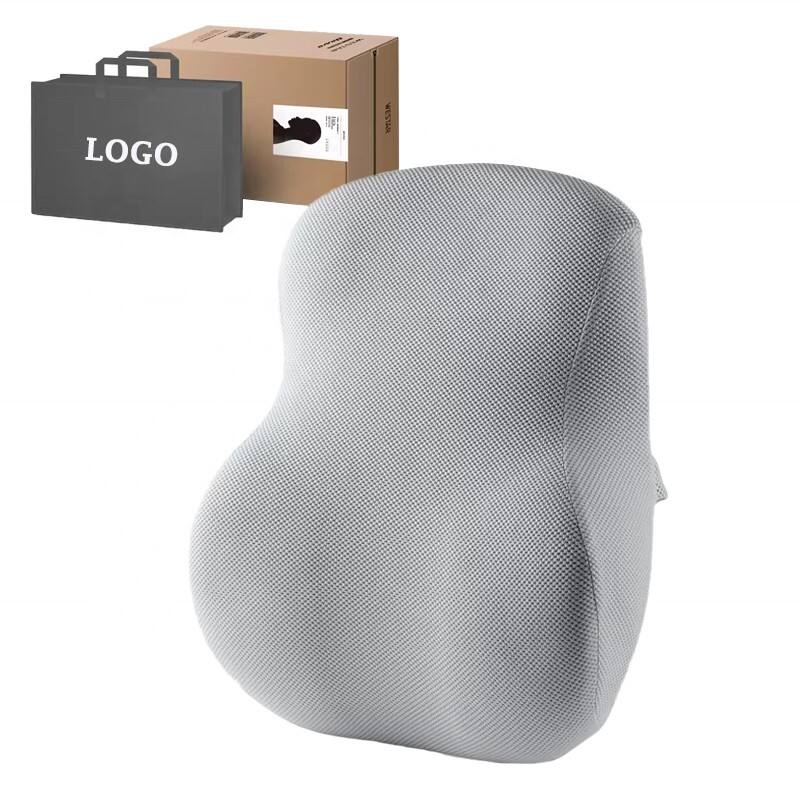
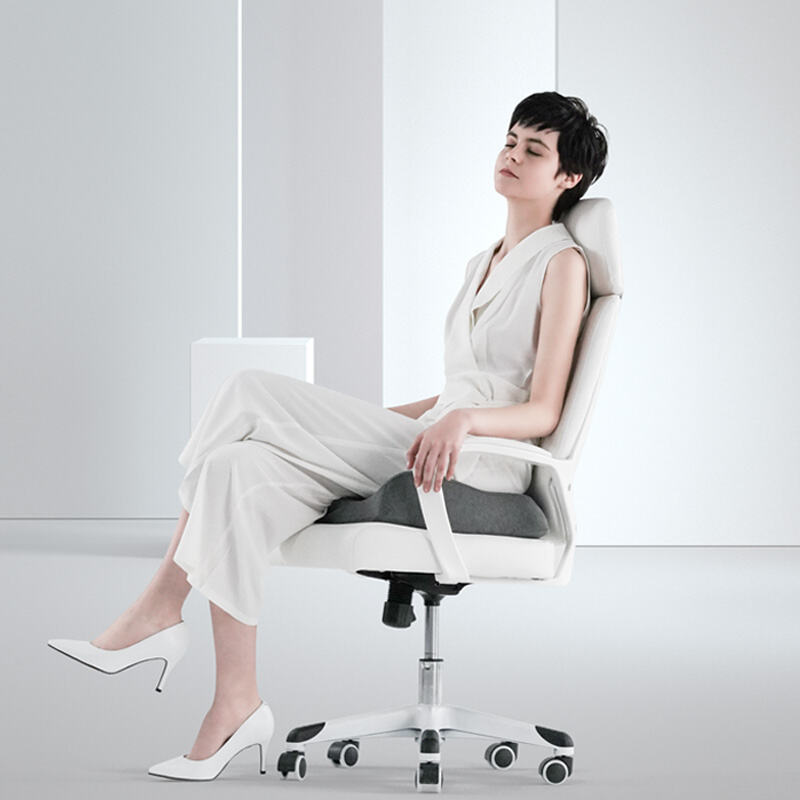
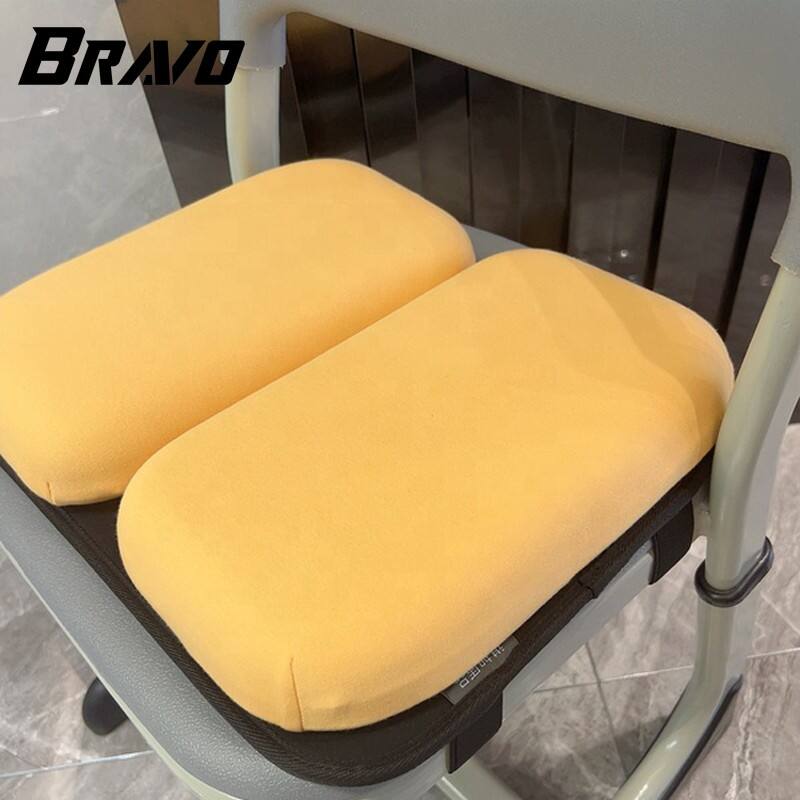
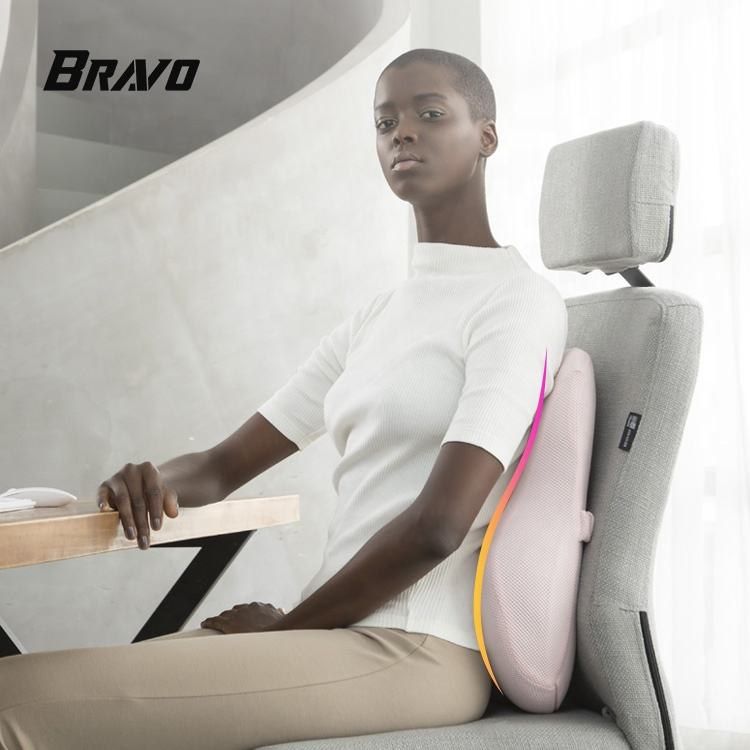
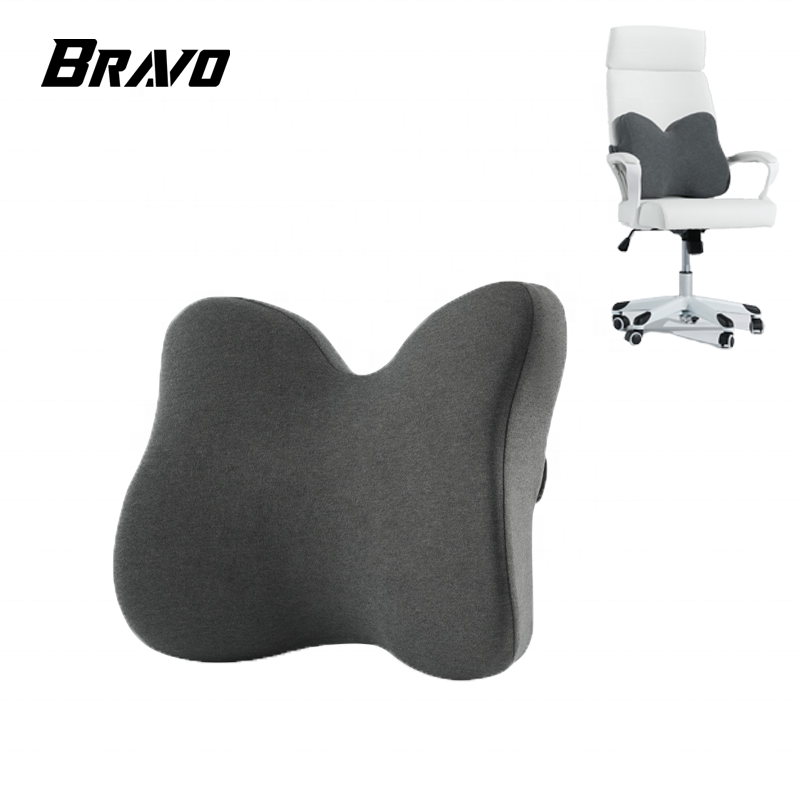
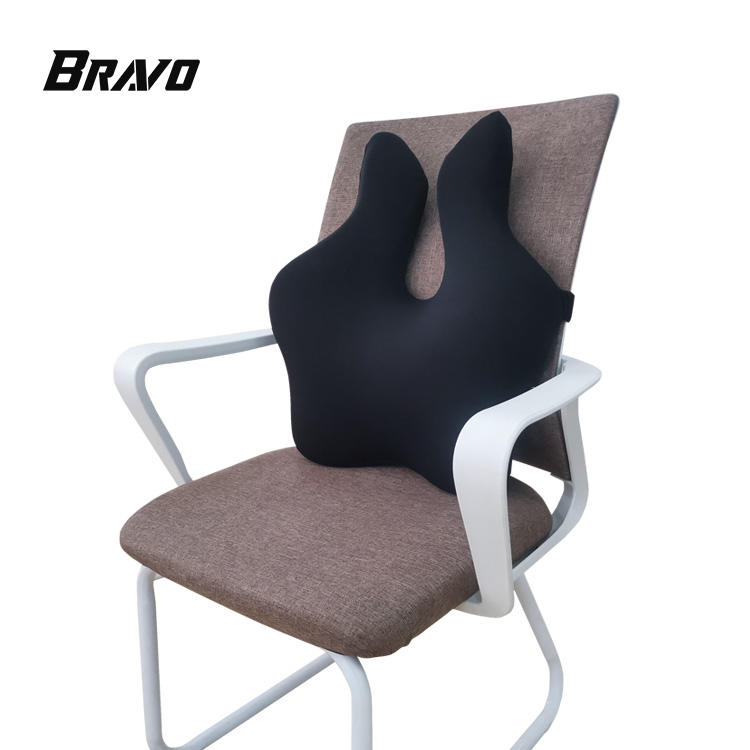
The sciatica office chair cushion embodies a universal ergonomic design philosophy that seamlessly integrates therapeutic functionality with practical workplace requirements, ensuring effective pain relief without compromising professional appearance or daily routine flexibility. This comprehensive design approach addresses the complex biomechanical factors contributing to sciatic nerve irritation while accommodating the diverse seating environments encountered in modern work settings. The cushion's dimensions follow ergonomic principles established through extensive research into optimal sitting postures and pressure distribution patterns, resulting in measurements that complement rather than conflict with existing office furniture designs. The wedge-shaped profile naturally encourages proper pelvic positioning by creating a slight forward tilt that opens hip flexors and promotes lumbar lordosis, the natural inward curve of the lower spine essential for healthy nerve function. This ergonomic positioning occurs automatically without requiring conscious effort or postural awareness from the user, making it particularly valuable for individuals focused on demanding cognitive tasks. The universal design philosophy extends to material selection, incorporating fade-resistant, stain-repellent fabrics that maintain professional appearance standards while providing necessary therapeutic benefits. Compatibility across various chair types, from executive leather seating to basic task chairs, ensures consistent support regardless of workplace transitions or equipment changes. The non-slip base technology adapts to different surface textures and chair materials, preventing shifting or sliding that could compromise therapeutic positioning. Portability features built into the design enable seamless transition between multiple workstations, conference rooms, and travel situations without sacrificing therapeutic continuity. The ergonomic design philosophy also considers long-term health implications, incorporating features that support proper biomechanics during various sitting durations and work intensities. Weight distribution algorithms built into the cushion's structure ensure that therapeutic benefits remain consistent regardless of user size, sitting duration, or movement patterns throughout the workday.

 EN
EN