
 EN
EN



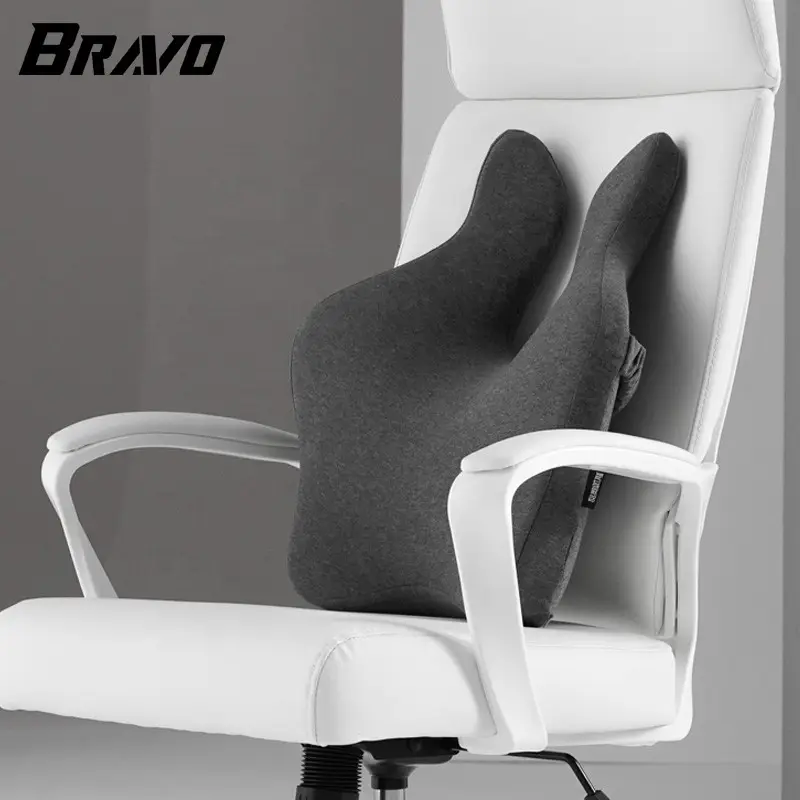
اُچھے خریداری کے موسموں کے دوران بین الاقوامی ای کامرس کامیابی کے لیے بہت غور و خوض سے تیاری کی ضرورت ہوتی ہے، خاص طور پر وہ میموری فوم کے اشیاء جن کے لیے خاص شپنگ کے انتظامات اور گنجائش کے ریزرویشنز کی ضرورت ہوتی ہے۔ مؤثر میموری فوم بین الاقوامی ای کامرس کے لیے موسمِ اُچھی طلب کی منصوبہ بندی میں انوینٹری مینجمنٹ، لاگسٹکس کی گنجائش، قانونی مطابقت، اور منڈی کے وقت کا باہمی ہم آہنگی شامل ہوتی ہے تاکہ بلیک فرائیڈے، سائبر منڈے اور تعطیلات کے خریداری کے موسم جیسے اُچھی طلب والے دوران بے دریغ اور بے رُک اَنجام دہی یقینی بنائی جا سکے۔
میموری فوم کے اشیاء بین الاقوامی لاگسٹکس میں منفرد چیلنجز پیش کرتے ہیں، کیونکہ ان کے لیے خاص پیکیجنگ کی ضروریات، ابعادی پابندیاں، اور شپنگ کے دوران درجہ حرارت کی حساسیت ہوتی ہے۔ کمر کی حمایت کے تکیے، سفر کے تکیے، اور جِسمانی طور پر مناسب ایکسیسوریز جیسی چھوٹی میموری فوم کی اشیاء کے لیے مخصوص منصوبہ بندی کی حکمت عملیوں کی ضرورت ہوتی ہے جو کمپریسڈ پیکیجنگ کے طریقوں، کسٹمز کلاسیفیکیشن کے اصولوں، اور منزل کی منڈی کی ترجیحات کو مدنظر رکھتی ہے تاکہ اُچھی طلب کے دوران فروخت کی کارکردگی کو زیادہ سے زیادہ کیا جا سکے۔
اہم موسم کی کامیابی کے لیے حکمت عملی کا وقتی جدول تیار کرنا
ابتدائی منصوبہ بندی کے مرحلے کو نافذ کرنا
میموری فوم کے عالمی سطح پر اہم موسم کی منصوبہ بندی کو ہدف کی فروخت کے دوران سے 4 تا 6 ماہ قبل شروع کرنا ضروری ہے تاکہ بہترین شپنگ صلاحیت اور ریگولیٹری منظوریاں حاصل کی جا سکیں۔ ابتدائی منصوبہ بندی کے مراحل میں بنیادی انوینٹری کے تخمینے طے کرنا، اہم مقصدی منڈیوں کی شناخت کرنا، اور میموری فوم کی مصنوعات کے لیے مکمل پیکیجنگ کے اختیارات پر لاگسٹکس کے شراکاء کے ساتھ بات چیت شروع کرنا شامل ہے۔ اس وسیع وقتی جدول سے کاروبار کو زیادہ طلب والے دوران مناسب شپنگ کے داموں پر مذاکرات کرنے اور ضمانت شدہ شپنگ صلاحیت حاصل کرنے کا موقع ملتا ہے۔
ابتدائی منصوبہ بندی کے مرحلے کے دوران، کمپنیوں کو ہدف مارکیٹس میں میموری فوم کی کثافت، سختی کے درجات اور سائز کی خصوصیات کے لحاظ سے علاقائی ترجیحات کو سمجھنے کے لیے جامع مارکیٹ ریسرچ کرنا چاہیے۔ مختلف ممالک میموری فوم کی مصنوعات کے لیے مختلف معیارات برقرار رکھتے ہیں، جس کی وجہ سے آگ روکنے کی صلاحیت، کیمیائی مواد اور لیبلنگ کی ضروریات جیسے مقامی قوانین پر غور کرنا ضروری ہوتا ہے، جو بین الاقوامی شپنگ کے وقتی وقفے پر اثر انداز ہوتے ہیں۔
کامیاب میموری فوم کی بین الاقوامی پیک سیزن کی منصوبہ بندی کے لیے تیاری کے شراکت داروں کے ساتھ واضح رابطے کے ذرائع قائم کرنا ضروری ہے تاکہ تیاری کے شیڈول شپنگ کی آخری تاریخوں کے مطابق ہوں۔ میموری فوم کی مصنوعات کو اکثر تیاری کے بعد 'کیورنگ ٹائم' کی ضرورت ہوتی ہے، جو انوینٹری مینجمنٹ کے حسابات کو مزید پیچیدہ بنا دیتی ہے، جس میں تیاری کے لیڈ ٹائم اور بین الاقوامی شپنگ کی مدت دونوں کو مدنظر رکھنا ضروری ہوتا ہے۔
CAPACITY RESERVATION STRATEGIES
میموری فوم کے مصنوعات کے لیے لاگسٹکس صلاحیت کو محفوظ کرنا، کمپریسڈ اور وسیع شدہ فوم کی مصنوعات کی منفرد جگہ استعمال کی خصوصیات کو سمجھنے کا تقاضا کرتا ہے۔ موثر صلاحیت کو محفوظ کرنا کمپریسڈ ابعاد کی بنیاد پر کنٹینر کی جگہ پر مذاکرات کو شامل کرتا ہے، جبکہ نقل و حمل کے دوران ممکنہ وسعت کے لیے منصوبہ بندی کی جاتی ہے، خاص طور پر درجہ حرارت متغیر شپنگ کے ماحول میں جو میموری فوم کے رویے کو متاثر کر سکتے ہیں۔
اُچھی موسم کی صلاحیت کے ریزرویشن میں بیک اپ لاگسٹکس فراہم کنندگان اور متبادل شپنگ راستے شامل ہونے چاہئیں تاکہ زیادہ حجم کے دوران خلل کو کم کیا جا سکے۔ میموری فوم کی عالمی سطح پر اُچھی موسم کی منصوبہ بندی میں کسٹمز چیک پوائنٹس پر ممکنہ تاخیر کو بھی مدنظر رکھنا ہوگا، جہاں کمپریسڈ پیکیجز کو اضافی معائنہ کا وقت درکار ہوسکتا ہے، جس کی وجہ سے شپنگ کے شیڈول میں بفر صلاحیت کی ضرورت ہوتی ہے۔
سمارٹ صلاحیت کی منصوبہ بندی میں تاریخی شپنگ کے اعداد و شمار کا تجزیہ کرنا شامل ہے تاکہ میموری فوم کے مصنوعات کے لیے بہترین کنٹینر لوڈنگ کی ترتیبات کو شناخت کیا جا سکے۔ چھوٹی میموری فوم کی اشیاء کو ویکیوم کمپریشن کے ذریعے قابلِ ذکر جگہ کی بچت حاصل ہو سکتی ہے، لیکن کاروبار کو شپنگ کے عمل کے دوران ان کی درستت کو برقرار رکھنے کے لیے لاگسٹکس کے شراکت داروں کے ساتھ من coordination کرنا ضروری ہے جو پروڈکٹ شپنگ کے عمل کے دوران مکمل طور پر درستگی کو برقرار رکھے۔
انوینٹری مینجمنٹ اور طلب کی پیشیندی
پروڈکٹ مکس کی بہتری
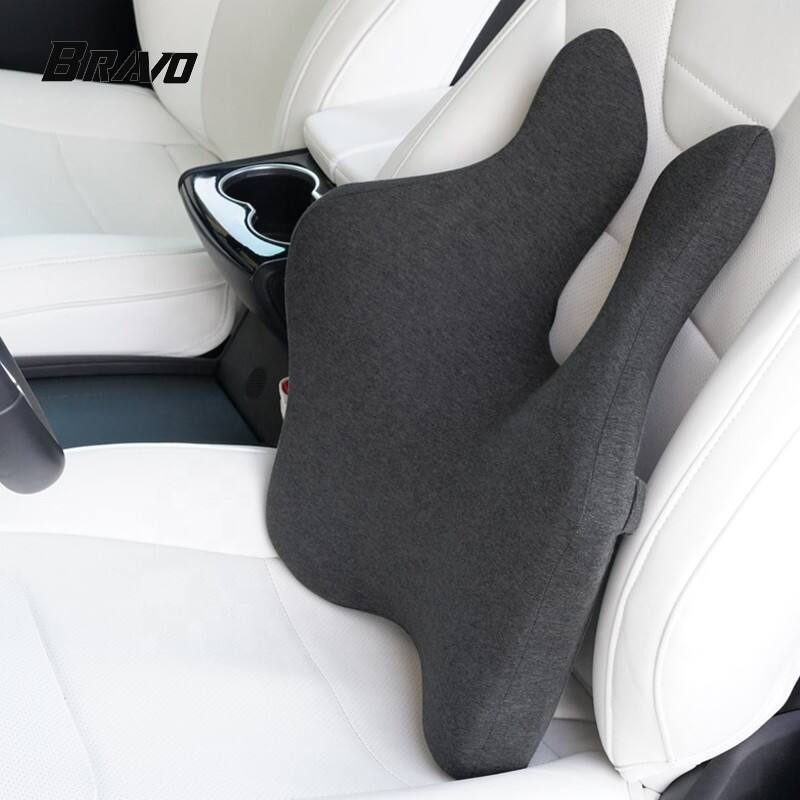
موثر میموری فوم عالمی سطح پر موسمِ انتہا کی منصوبہ بندی کے لیے جدید تقاضوں کی پیش بینی کی ضرورت ہوتی ہے جو علاقائی ترجیحات، موسمی تبدیلیوں اور مقابلہ کے منظر نامے کی حرکیات کو مدنظر رکھے۔ جیسے کہ جِسمانی آرام دہ تکیے اور سفر کے لوازمات جیسی چھوٹی میموری فوم کی اشیاء کا مختلف بین الاقوامی منڈیوں میں تقاضا مختلف ہوتا ہے، جس کے لیے مقامی صارفین کے رویے کے مطابق ذخیرہ کی منصوبہ بندی کی ضرورت ہوتی ہے۔
انوینٹری کے بہترین استعمال میں ہولڈنگ کے اخراجات اور اسٹاک آؤٹ کے خطرات کے درمیان توازن قائم کرنا شامل ہے، جبکہ بین الاقوامی یادداشت والے فوم کے لاجسٹکس میں موجود طویل لیڈ ٹائمز کو بھی مدنظر رکھنا ہوتا ہے۔ لمبی شیلف لائف والے یادداشت والے فوم کے مصنوعات پیشگی انوینٹری کی منصوبہ بندی میں زیادہ لچک فراہم کرتے ہیں، جبکہ درجہ حرارت کے حوالے سے حساس مرکبات کے لیے جسٹ ان ٹائم ڈیلیوری کی حکمت عملیوں کی ضرورت ہوتی ہے جو منصوبہ بندی کی پیچیدگی کو بڑھا دیتی ہے۔
جدید انوینٹری مینجمنٹ سسٹمز کو مختلف مقصد کے مارکیٹس میں یادداشت والے فوم کے مصنوعات کی کارکردگی کو نگرانی میں رکھنا چاہیے تاکہ رجحانات کے مطابق مصنوعات کی شناخت کی جا سکے اور ان کے مطابق تقسیم کی حکمت عملیوں کو ایڈجسٹ کیا جا سکے۔ عروج کے موسم میں کامیابی کا انحصار تمام ہدف مارکیٹس میں صحیح مقدار میں صحیح یادداشت والے فوم کے مصنوعات کی دستیابی پر ہوتا ہے، بغیر کسی اضافی انوینٹری کے جو کاروباری سرمایہ کو منجمد کر دے۔
ویئر ہاؤس تقسیم کی حکمت عملی
سٹریٹیجک گودام کی جگہ کا تعین میموری فوم کراس بارڈر چوٹی سیزن کی منصوبہ بندی میں شپنگ کے اوقات کو کم کرکے اور زیادہ مانگ والے ادوار کے دوران صارفین کی اطمینان کو بہتر بنا کر ایک اہم کردار ادا کرتا ہے۔ تقسیم شدہ انوینٹری کی حکمت عملی کاروباریوں کو مقبول میموری فوم آئٹمز کو ہدف مارکیٹوں کے قریب رکھنے کی اجازت دیتی ہے جبکہ سست حرکت کرنے والی مصنوعات کے لیے مرکزی انوینٹری کو برقرار رکھتے ہوئے
میموری فوم کے اشیاء کو موسمی کنٹرول شدہ انبار کے ماحول سے فائدہ ہوتا ہے جو مصنوعات کی معیار کو ذخیرہ کرنے کے دوران مستقل درجہ حرارت اور نمی کے درجے برقرار رکھتے ہیں۔ انبار کے انتخاب کے معیارات میں بڑے شپنگ ہب کے قریب ہونا، مکعبی شکل میں سمیٹے گئے میموری فوم کے پیکیجز کے لیے خاص ہینڈلنگ آلات کی دستیابی، اور بین الاقوامی شپمنٹس کے لیے کسٹمز کی پروسیسنگ کی صلاحیت شامل ہونی چاہیے۔
موثر انبار کی تقسیم میں مندرجہ ذیل کے ساتھ ہم آہنگی قائم کرنا شامل ہے: میموری فوم کے عالمی سطح پر درآمد و برآمد کے اعلیٰ طلب کے موسم کی منصوبہ بندی ماہرین جو بین الاقوامی شپنگ کے اصولوں کی پیچیدگیوں کو سمجھتے ہیں اور فول فِلمنٹ ورک فلو کو زیادہ سے زیادہ کارکردگی کے لیے بہتر بناسکتے ہیں۔ جدید گودام کے انتظامی نظام حقیقی وقت میں متعدد مقامات پر انوینٹری کی نظارت کو ممکن بناتے ہیں، جو طلب کے رجحانات کی بنیاد پر غیر مستقل تفویض کے فیصلوں کی حمایت کرتے ہیں۔
ضوابط کی پابندی اور دستاویزات کی تیاری
کسٹمز کی درجہ بندی اور شرحِ رسوم کا انتظام
میموری فوم کے عالمی سطح پر اعلیٰ موسم کی منصوبہ بندی کے لیے ہدف کے مارکیٹس میں کسٹمز کی درجہ بندی کے نظام کو مکمل طور پر سمجھنا ضروری ہوتا ہے تاکہ درست دستاویزات تیار کی جا سکیں اور شپنگ کی تاخیر سے بچا جا سکے۔ مختلف ممالک میں میموری فوم کی اشیاء کو مختلف شرحِ رسوم کے کوڈز کے تحت درجہ بندی کیا جاتا ہے، جو مطلوبہ استعمال، کثافت کی خصوصیات اور کیمیائی ترکیب پر منحصر ہوتا ہے، جس کے لیے کسٹمز کی آسان صفائی کے لیے تفصیلی پروڈکٹ دستاویزات کی ضرورت ہوتی ہے۔
اعلیٰ درجے کی تیاری میں تمام ضروری سندیں، ٹیسٹ رپورٹس اور مطابقت کی دستاویزات کو موسمِ انتہا شروع ہونے سے کافی عرصہ پہلے حاصل کرنا شامل ہوتا ہے۔ میموری فوم کے مصنوعات اکثر سیفٹی سندیں، کیمیائی ترکیب کی رپورٹس اور آگ روکنے کے ٹیسٹ کے نتائج کی ضرورت رکھتی ہیں، جن کے حاصل کرنے میں ہفتے لگ سکتے ہیں، جس کی وجہ سے بین الاقوامی کاروبار کے کامیاب انجام کے لیے ابتدائی تیاری ناگزیر ہے۔
ٹیرف کے انتظام کی حکمت عملی میں مناسب درجہ بندی، ماخذ کا تعین اور تجارتی معاہدوں کے استعمال کے ذریعے وظیفہ کی بہتری کے مواقع کا تجزیہ شامل ہونا چاہیے۔ کچھ میموری فوم کی مصنوعات خاص تجارتی معاہدوں کے تحت ترجیحی وظیفہ کی شرحوں کے مستحق ہو سکتی ہیں، جس کے لیے سپلائی چین کے دوران دستاویزات کی درستی اور ماخذ کی نگرانی کی ضرورت ہوتی ہے۔
پروڈکٹ سیفٹی اور معیارِ کیفیت
بین الاقوامی منڈیاں میموری فوم کے اشیاء کے لیے مختلف سلامتی معیارات برقرار رکھتی ہیں، جس کے لیے کیمیائی مواد کی حدود، لیبلنگ کی ضروریات اور ٹیسٹنگ کے طریقوں کو پورا کرنے والی جامع تعمیل کی حکمت عملیوں کی ضرورت ہوتی ہے۔ میموری فوم کی عالمی سطح پر سیزنل منڈیوں کی منصوبہ بندی میں تمام ہدف منڈیوں کے لیے اشیاء کی جانچ اور تصدیق کے لیے کافی وقت شامل کرنا ہوگا تاکہ آخری لمحے میں تعمیل کے مسائل سے بچا جا سکے۔
معیار کے انتظامی نظام کو میموری فوم کے اشیاء کے لیے بیچ کی سطح پر تعمیل کے دستاویزات کو ٹریک کرنا چاہیے تاکہ بین الاقوامی منڈیوں میں نشاندہی کی ضروریات کی حمایت کی جا سکے۔ کچھ اختیاراتی علاقوں میں کیمیائی اخراجات کی مستقل نگرانی، پائیداری کی جانچ اور کارکردگی کی تصدیق کی ضرورت ہوتی ہے، جو مصنوعات کے پورے عمر چکر کے دوران برقرار رکھی جانا ضروری ہے۔
دستاویزات کا انتظام موسمِ ذروہ کے دوران نہایت اہمیت کا حامل ہوتا ہے، جب کسٹمز اتھارٹیز کے پاس معیادیں طویل ہو سکتی ہیں اور ان کے نفاذ کے طریقہ کار میں سختی بڑھ سکتی ہے۔ ڈیجیٹل دستاویزات کے نظام فوری طور پر تصدیقی ریکارڈز تک رسائی فراہم کرتے ہیں اور زیادہ مقدار میں شپنگ کے دوران بھی موثر کسٹمز کلیئرنس کے عمل کو سہارا دیتے ہیں۔
لاجسٹکس کا ہم آہنگی اور خطرہ کا انتظام
کثیر وسیلہ نقل و حمل کی منصوبہ بندی
کامیاب میموری فوم کراس بارڈر موسمِ ذروہ کی منصوبہ بندی کے لیے جدید نقل و حمل کی ہم آہنگی کی ضرورت ہوتی ہے جو لاگت، رفتار اور قابل اعتمادی کو بہتر بنانے کے لیے مختلف شپنگ کے وسائل کو استعمال کرتی ہے۔ میموری فوم کی اشیاء کو پیشِ موسمی اضافی مقدار کے دوران بحری نقل و حمل کے ذریعے بھیجا جا سکتا ہے، جبکہ اعلیٰ اہمیت کی اشیاء اور آخری لمحے کی تجدید کی ضروریات کے لیے ہوائی نقل و حمل کو مخصوص کیا جا سکتا ہے۔
نقل و حمل کی منصوبہ بندی میں میموری فوم کے اجزاء کی خاص پیش کش کی ضروریات کو مدنظر رکھنا ضروری ہے، جس میں درجہ حرارت کا کنٹرول، کمپریشن کے طریقہ کار، اور پیکیج کی سمت کے پابندیوں کا احاطہ کرنا شامل ہے۔ کیریئرز کے ساتھ مؤثر تعاون سے یہ یقینی بنایا جاتا ہے کہ لاگسٹکس کی پوری زنجیر میں مناسب پیش کش کے طریقہ کار برقرار رکھے جائیں، جس سے مصنوعات کی معیار اور صارفین کی اطمینان دونوں کو برقرار رکھا جا سکے۔
اُچّے موسم کی لاگسٹکس منصوبہ بندی میں رکاوٹوں کو سنبھالنے کے لیے واضح ایسکلیشن کے طریقہ کار، متبادل راستوں کے اختیارات، اور ہنگامی صلاحیت کے انتظامات کا تعین شامل ہوتا ہے۔ میموری فوم کی عالمی سرحدوں کو عبور کرنے والی اُچّے موسم کی منصوبہ بندی میں ایسے احتیاطی طریقہ کار شامل ہونے چاہئیں جو اصل لاگسٹکس راستوں میں تاخیر یا صلاحیت کی پابندیوں کی صورت میں شپمنٹس کو فوری طور پر متبادل ذرائع کے ذریعے دوبارہ روانہ کر سکیں۔
ٹیکنالوجی کا اندراج اور ٹریکنگ سسٹمز
جدید ٹریکنگ سسٹمز میموری فوم کے شپمنٹ کی حیثیت پر حقیقی وقت میں نظر ثانی فراہم کرتے ہیں، جس سے صارفین کے لیے ترسیل کے وعدوں کو متاثر کرنے والے ممکنہ مسائل کا پیشگی انتظام ممکن ہوتا ہے۔ انوینٹری مینجمنٹ، آرڈر پروسیسنگ اور لاگسٹکس ٹریکنگ سسٹمز کے درمیان انٹیگریشن پورے فل فِلمنٹ عمل میں بے رُکاوٹ تنسيق کو یقینی بناتا ہے۔
ٹیکنالوجی پلیٹ فارمز کو درجہ حرارت کے غیرمعمولی تبدیلیوں، شپنگ میں تاخیر اور کسٹم ہولڈ کی صورتحال کے لیے خودکار الرٹس کی حمایت کرنی چاہیے جو میموری فوم کی مصنوعات کی معیار یا ترسیل کے وقت کو متاثر کر سکتی ہیں۔ ابتدائی انتباہ سسٹم کاروبار کو درستگی کے اقدامات اٹھانے اور شپنگ کے عمل کے دوران صارفین سے رابطہ برقرار رکھنے کی اجازت دیتے ہیں۔
ڈیٹا اینالیٹکس کی صلاحیتیں شپنگ کے عمل، کسٹم پروسیسنگ کے وقت، اور مختلف راستوں اور مقامات کے لیے کیریئر کی قابل اعتمادی کے اعداد و شمار میں نمونوں کو شناخت کرکے میموری فوم کے عالمی سطح پر موسمِ اعلیٰ طلب کے لیے منصوبہ بندی کو بہتر بنانے میں مدد دیتی ہیں۔ تاریخی کارکردگی کے اعداد و شمار بعد کے موسمِ اعلیٰ طلب کے لیے زیادہ درست منصوبہ بندی اور لاگسٹکس آپریشنز میں مستقل بہتری کی حمایت کرتے ہیں۔
فیک کی بات
میموری فوم کے عالمی سطح پر موسمِ اعلیٰ طلب کے لیے منصوبہ بندی کا بہترین وقت کیا ہے؟
میموری فوم کے عالمی سطح پر موسمِ اعلیٰ طلب کے لیے منصوبہ بندی کا آغاز ہدف کے فروخت کے دوران سے 4 تا 6 ماہ قبل کرنا چاہیے تاکہ لاگسٹکس کی گنجائش کو محفوظ کیا جا سکے، ضروری تنظیمی مطابقت کی شرائط پوری کی جا سکیں، اور انوینٹری کی جگہ کو من coordinated کیا جا سکے۔ اس طویل وقتی حدود کو میموری فوم کی مصنوعات کی خاص ضروریات کو مدنظر رکھتے ہوئے طے کیا گیا ہے، جن میں تیاری کا وقت، مکمل کرنے والے پیکیجنگ کا انتظام، کسٹم دستاویزات کی تیاری، اور ان مخصوص کیریئرز کے ساتھ گنجائش کا ریزرویشن شامل ہیں جو میموری فوم کو سنبھالنے کے طریقوں سے واقف ہیں۔
کمپریسڈ پیکیجنگ کے طریقے میموری فوم کی بین الاقوامی شپنگ کی صلاحیت کے منصوبہ بندی کو کیسے متاثر کرتے ہیں؟
کمپریسڈ پیکیجنگ میموری فوم کے شپنگ حجم کو 60-80% تک کم کر سکتی ہے، جس سے صلاحیت کے حساب لگانے اور لاگت کو بہتر بنانے کے اقدامات پر قابلِ ذکر اثر پڑتا ہے۔ تاہم، میموری فوم کی بین الاقوامی اعلیٰ موسم کی منصوبہ بندی میں شپنگ کے دوران کنٹینرز میں درجہ حرارت کی تبدیلیوں کے باعث ممکنہ دوبارہ پھیلنے کو، منزل کے گوداموں میں مناسب ڈی کمپریشن کے وقت کو، اور ویکیوم سیلڈ پیکیجز کو سنبھالنے کی کاریئر کی صلاحیتوں کو بھی مدنظر رکھنا ضروری ہے، جن کے لیے لاگستکس کے تمام مرحلوں میں خاص سامان اور سنبھالنے کے طریقہ کار کی ضرورت ہوتی ہے۔
بین الاقوامی اعلیٰ موسم کے آپریشنز میں میموری فوم کی اشیاء کے لیے کون سے ریگولیٹری کمپلائنس کے عوامل سب سے اہم ہیں؟
اہم اطاعت کے عوامل میں کیمیائی ترکیب کی دستاویزات، شعلہ روکن سرٹیفیکیشنز، مختلف بین الاقوامی شرحِ رسومِ گمرک کے تحت مناسب گمرکی درجہ بندی، اور ملک خاص لیبلنگ کی ضروریات شامل ہیں۔ میموری فوم کے عالمی سطح پر سیزنل اعلیٰ موسم کی منصوبہ بندی میں یہ یقینی بنانا ضروری ہے کہ تمام سیفٹی ٹیسٹنگ وقت سے پہلے مکمل کر لی جائے، اور ڈیجیٹل دستاویزات کے نظام کے ذریعے اعلیٰ حجم کے دوران بھی تیز رفتار گمرکی صفائی ممکن ہو جائے، جبکہ اس دوران معیاری آپریشنز کے مقابلے میں پروسیسنگ کا وقت عام طور پر بڑھ جاتا ہے۔
کاروبار میموری فوم کی درجہ حرارت کی حساسیت کے ساتھ بین الاقوامی شپنگ کے دوران وابستہ خطرات کو کیسے کم کر سکتے ہیں؟
خطرات کو کم کرنے کی حکمت عملیوں میں درج ذیل امور شامل ہیں: درجہ حرارت کے لحاظ سے حساس میموری فوم کے مرکبات کے لیے موسمی کنٹرول شدہ شپنگ کے اختیارات کا انتخاب کرنا، لاگسٹکس کے پورے زنجیر میں درجہ حرارت کی نگرانی کے طریقہ کار کا قیام، اور ان کیریئرز کے ساتھ ہم آہنگی برقرار رکھنا جو میموری فوم کو سنبھالنے کی ضروریات کو سمجھتے ہوں۔ مؤثر میموری فوم کے عالمی سطح پر سیزن کے انتہائی دوران منصوبہ بندی میں درجہ حرارت کے لحاظ سے مستحکم شپنگ راستوں کے ذریعے احتیاطی رُوٹنگ شامل ہوتی ہے اور مصنوعات کی معیاری خرابیوں سے نمٹنے کے لیے بفر انوینٹری برقرار رکھی جاتی ہے جو طویل عالمی سیزن کے دوران درجہ حرارت کے غیرمعمولی تبدیلیوں کی وجہ سے پیدا ہو سکتی ہیں۔
موضوعات کی فہرست
- اہم موسم کی کامیابی کے لیے حکمت عملی کا وقتی جدول تیار کرنا
- انوینٹری مینجمنٹ اور طلب کی پیشیندی
- ضوابط کی پابندی اور دستاویزات کی تیاری
- لاجسٹکس کا ہم آہنگی اور خطرہ کا انتظام
-
فیک کی بات
- میموری فوم کے عالمی سطح پر موسمِ اعلیٰ طلب کے لیے منصوبہ بندی کا بہترین وقت کیا ہے؟
- کمپریسڈ پیکیجنگ کے طریقے میموری فوم کی بین الاقوامی شپنگ کی صلاحیت کے منصوبہ بندی کو کیسے متاثر کرتے ہیں؟
- بین الاقوامی اعلیٰ موسم کے آپریشنز میں میموری فوم کی اشیاء کے لیے کون سے ریگولیٹری کمپلائنس کے عوامل سب سے اہم ہیں؟
- کاروبار میموری فوم کی درجہ حرارت کی حساسیت کے ساتھ بین الاقوامی شپنگ کے دوران وابستہ خطرات کو کیسے کم کر سکتے ہیں؟