
 EN
EN



Разумевање меморијске пене изван првих утисака
За многе почетнике, Меморијска пена често се повезује са неколико фиксних утисака формираних рекламом, случајним разговорима или кратким искуствима у изложбеном простору. Ови утисци се лако могу претворити у митове који обликују одлуке о куповини и дугорочно задовољство. У стварности, мемори пена је високо инжењерски материјал са карактеристикама које се често погрешно схватају. Расклањање ових неразумијева помаже новим корисницима да објективније процењују производе и бирају решења која заиста одговарају њиховим потребама, а не да се ослањају на претпоставке.
Меморијска пена је увек премека
Сматрана мекоћа у односу на стварну подршку
Једна од најчешћих вјеровања је да је меморијска пена увек изузетно мека. Ова идеја обично долази од раног излагања производима ниске густине који се лако компресирају под притиском. Међутим, мекоћа и подршка нису исто. Мемори Фом је дизајниран да реагује на топлоту тела и тежину, контуришући се постепено уместо да се одмах сруши.
У пракси, многи производи од меморијске пене дизајнирани су тако да пружају чврсту основу за подршку, а истовремено пружају и површинску удобност. Материјал равномерно расподељава притисак, који се може осећати мекијим на први додир, али постаје више подржан када се тело опусти. Ова равнотежа се често погрешно разуме код почетника који једнако сматрају непосредну мекоћу са недостатка подршке.
Разлике у густини и формулисању
Још један фактор који утиче на овај мит је широка варијација густине меморијске пене. Тешкоћа директно утиче на осећај и перформансе пене. Мемори Фом са већим густином има тенденцију да се осећа чврстије и отпорније, док се опције са мањом густином могу осећати луксузно, али нуде мању трајност.
Почетници често наилазе само на једну врсту мемори пење и претпостављају да представља све производе. У стварности, избор формулације омогућава произвођачима да прилагоде ниво чврстоће за различите случајеве употребе, чинећи мемориску пјену много вишестранијом него што се обично претпоставља.
Меморија пена ухвати прекомерну топлоту
Удрживање топлоте у односу на адаптацију температури
Често се брине да мемориска пена задржава топлоту и изазива неугодност. Ова перцепција често долази из старих формулација којима недостаје оптимизација проток ваздуха. Иако меморијска пена реагује на топлоту тела, то не значи да се она аутоматски задржава.
Модерни дизајн меморијске пене фокусира се на балансирање температурне осетљивости са удобност. Материјал се прилагођава топлоти тела да би ефикасно контурисао, али ова прилагођавање не резултира прегревањем. Осећај топлоте је често привремени и стабилизује се док се пене прилагођавају.
Улога структуре и проток ваздуха
Још један аспект који се занемарује је унутрашња структура меморијске пене. Пројекти отворених ћелија и напредне формулације побољшавају проток ваздуха и смањују акумулацију топлоте. Ове структурне карактеристике омогућавају циркулацију ваздуха, што помаже у регулисању температуре током дуготрајне употребе.
За почетнике можда није јасно да управљање топлотом зависи од више него само од самог пене. Материјали околине, услови у соби и обрасци коришћења сви утичу на то како се меморијска пена осећа током времена.
Пенова меморија није трајна
Trajnost u poređenju sa tradicionalnim materijalima
Неки почетници верују да се меморијска пена брзо износи и губи свој облик. Овај мит често потиче из искустава са нискоквалитетним производима који се прерано деградирају. Међутим, висококвалитетна мемориска пена је дизајнирана за дуготрајне перформансе.
Када је правилно формулисан, мемори пена одржава свој структурни интегритет и отзив на годинама. Након што се притисак уклони, постепено се враћа у свој првобитни облик, што је кључни показатељ трајности, а не слабости.
Фактори који утичу на знојење и перформансе
На трајност утичу густина, квалитет производње и услови коришћења. Меморија пена са већом густином обично се боље одупире на упад и отпечатке од алтернатива ниже густине. Правилне структуре подршке такође играју улогу у очувању перформанси пене.
Почетници могу занемарити ове променљиве и генерализовати на основу ограничене изложености. Схватање да није сва мемори пена једнака помаже у одбацивању идеје да сам материјал нема трајност.
Мемориска пена ограничава кретање
Одзивљивост и прилагођавање тела
Још један широко распрострањен мит указује на то да меморијска пена ограничава кретање и отежава репозиционирање. Ово веровање обично произилази из карактеристике спорог одговора одређених формулација. Иако меморијска пена контурише тело, то не мора нужно спречавати кретање.
У ствари, Мемори Фом реагује постепено, а не одмах. Ова постепено прилагођавање подржава тело док и даље омогућава природно кретање. Многи корисници сматрају да оваква равнотежа повећава удобност уместо да ограничава кретање.
Разлика у брзини опоравка
Брзина повратака меморијске пене варира у зависности од дизајна. Неки производи су дизајнирани да брже реагују, чиме се покрет олакшава и постаје течнији. Други имају приоритет да се укорењују дубље, што може бити пријатније, али не и непокретно.
Почетници често претпостављају да се све меморијске пене понашају на исти начин. Признавање ових разлика помаже да се јасно види да ограничења кретања нису урођени недостатак већ избор дизајна.
Пене за памћење су само за производе за спавање
Примена и изван матраца
Мемори пена се обично повезује са душовима, што доводи до веровања да је његова корисност ограничена на производе за спавање. У стварности, мемори пена се користи у широком спектру примена, укључујући седишта, јастуке и додатне опреме за подршку.
Његова својства за ослобађање од притиска чине Мемори Фоум погодним за окружења у којима се дуго седе или се понавља стрес. Ова разноврсност наглашава прилагодљивост материјала изван једне категорије.
Ергономска и подршка
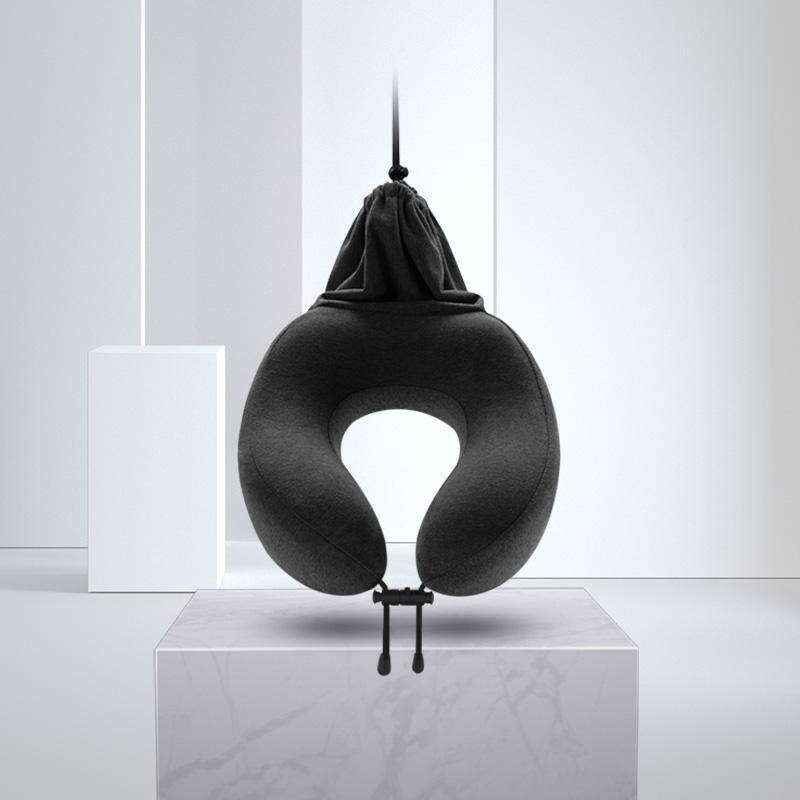
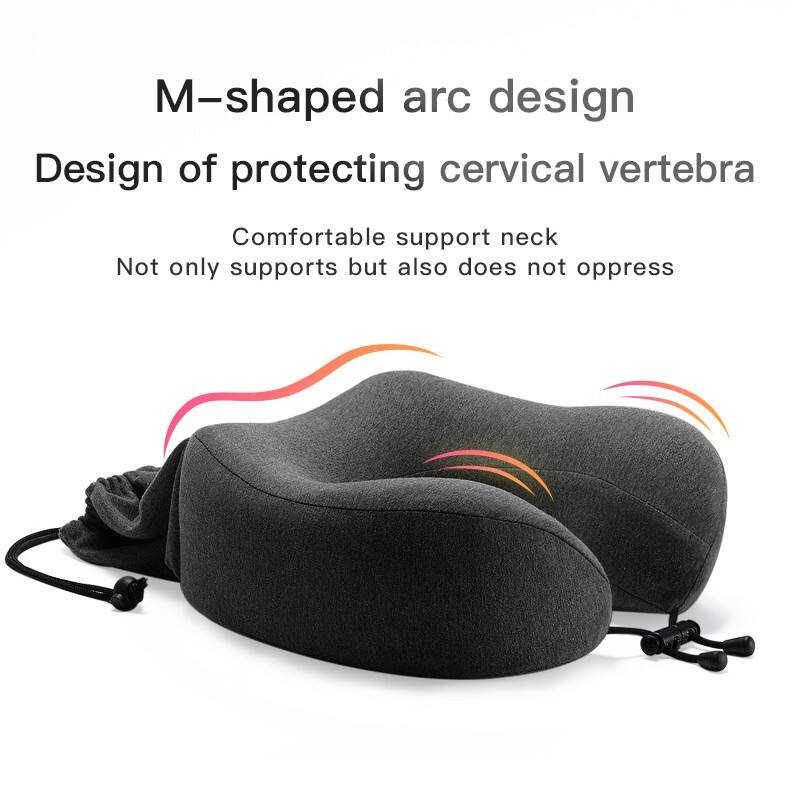
У ергономским апликацијама, меморијска пена помаже у равномерној дистрибуцији тежине и смањењу тачака притиска. То га чини драгоценим у канцеларијским окружењима, туристичким додацима и производима за медицинску помоћ.
Почетници могу потцењити обим употребе меморијске пене јер се суочавају са њом само у једном контексту. Разумевање његових ширих примена открива његову функционалну флексибилност.
Меморијска пена има снажан мирис
Објашњење привременог одгазивања
Многи корисници који први пут користе меморијску пјену забринути су због мириса када се срећу са меморијском пјеном. Ова забринутост често се односи на почетно испуштање гаса, што се може десити када се производи разпакују. Мирис је обично привремени и нестаје када се материјал извести.
Оф-газирање није јединствено за мемори пена и не указује на лош квалитет по подразумеваном. Често је то резултат процеса производње и паковања, а не саме пене.
Материјална безбедност и вентилација
Правилна вентилација значајно смањује сваки почетни мирис. Производи са меморијом пење су дизајнирани да се стабилизују након излагања ваздуху, у којој фази се смањује било који остатак мириса.
Почетници понекад привремено мирис тумаче као трајно питање. Признавање краткорочне природе овог ефекта помаже у исправљању ове погрешне представе.
Меморијска пена је прескупа за почетнике
Процена против вредности
Још један уобичајени мит је да је меморијска пена увек скупа и неодговара за почетнике. Иако постоје премијум производи, меморијска пена је доступна у широком распону цене.
Вредност меморијске пене лежи у њеним карактеристикама перформанси, а не само у њој у цени. Почетници често се фокусирају на унапредну цену без размишљања о удобности, издржљивости и дуготрајној употреби.
Опције за улазак у ниво и доступност
Производи од меморијске пене на почетном нивоу пружају приступачан увод без потребе за значајним инвестицијама. Ове опције омогућавају почетницима да искусе предности материјала и утврде његову прихватљивост пре него што се обавежу на вишег разреда.
Разумевање да мемори пена није ограничена на премиум сегменте помаже у одбацивању идеје да је финансијски ван доступа.
Пене за памћење узрокују здравствене проблеме
Неисправно тумачење бриге о осетљивости
Неки митови указују да Мемори Фом узрокује здравствене проблеме, често засноване на анегдоталним искуствима. Ове забринутости су обично повезане са неисправним вентилацијом или индивидуалном осетљивошћу, а не са самим материјалом.
Мемори Фом је дизајниран да буде инертан када се стабилизује. Већина корисника не доживљава штетне ефекте када се производи користе како је намењено и дозвољавају да се правилно проветри.
Важност исправног коришћења
Сматрања која се односе на здравље често настају због неправилног коришћења или неразумијевања. Коришћење производа из меморијске пене у одговарајућим окружењима и праћење смерница за негу смањује потенцијалне проблеме.
Почетници имају користи од одвајања изолованих анегдота од општих материјалних својстава, што омогућава балансиранију процену.
Меморијска пена није довољно подршка
Расподела притиска против чврстоће
Подршка се често меша са чврстоћом. Мемори Фом пружа подршку равномерном дистрибуцијом притиска, а не потпуно отпор компресији. Ова разлика је кључна за разумевање његове функције.
Контуром према телу, меморијска пена подржава природни усклађивање уместо да присиљава тело на круто положај. Ова адаптивна подршка често се погрешно интерпретира као недостатак чврстоће.
Strukturni podržni sistemi
Мемори Фом се обично користи у комбинацији са подржавајућим основним слојевима или структурама. Ови системи раде заједно како би обезбедили и удобност и стабилност.
Почетници који суде меморијску пјену изоловано могу заборавити како се интегрише у комплетне системе за подршку, што доводи до нетачних закључака.
Меморијска пена не захтева одржавање
Обезбеђивање и дуговечност
Мање дискутовани мит је да меморијска пена не захтева никакво одржавање. Иако је релативно лако одржавати, још увек је потребна нека брига да би се одржала перформанса.
Правилно постављање, ротација и заштита од прекомерне влаге доприносе дуговечности. Мемори Фом користи се ако се користи пажљиво, а не ако се занемари.
Разумевање реалистичних очекивања
Почетници понекад очекују да меморијска пена буде потпуно без одржавања. Постављање реалнијих очекивања помаже да се осигура задовољство и продужи производ живот.
Признавање да минимална брига даје боље резултате исправља идеју да је меморијска пена независна од одржавања.
Доносити информисане одлуке као почетник
Раздвој митова од практичног искуства
Већина митова око Мемори Фом-а потиче од делимичних информација или застарелих искустава. Почетници имају користи од испитивања како Мемори Фом заправо функционише у свакодневном коришћењу, уместо да се ослањају на претпоставке.
Практично искуство у комбинацији са чињеничним разумевањем пружа јаснију слику о томе шта меморијска пена може понудити.
Процијенити личне потребе и преференције
Избор мемори фоне треба да буде заснован на индивидуалним потребама, сценаријама употребе и преференцијама удобности. Не постоји универзално решење које одговара свима једнако.
Фокусирајући се на личне захтеве, а не на митове, почетници могу да доносе сигурније и информисаније одлуке.
Садржај
- Разумевање меморијске пене изван првих утисака
- Меморијска пена је увек премека
- Меморија пена ухвати прекомерну топлоту
- Пенова меморија није трајна
- Мемориска пена ограничава кретање
- Пене за памћење су само за производе за спавање
- Меморијска пена има снажан мирис
- Меморијска пена је прескупа за почетнике
- Пене за памћење узрокују здравствене проблеме
- Меморијска пена није довољно подршка
- Меморијска пена не захтева одржавање
- Доносити информисане одлуке као почетник