
 EN
EN



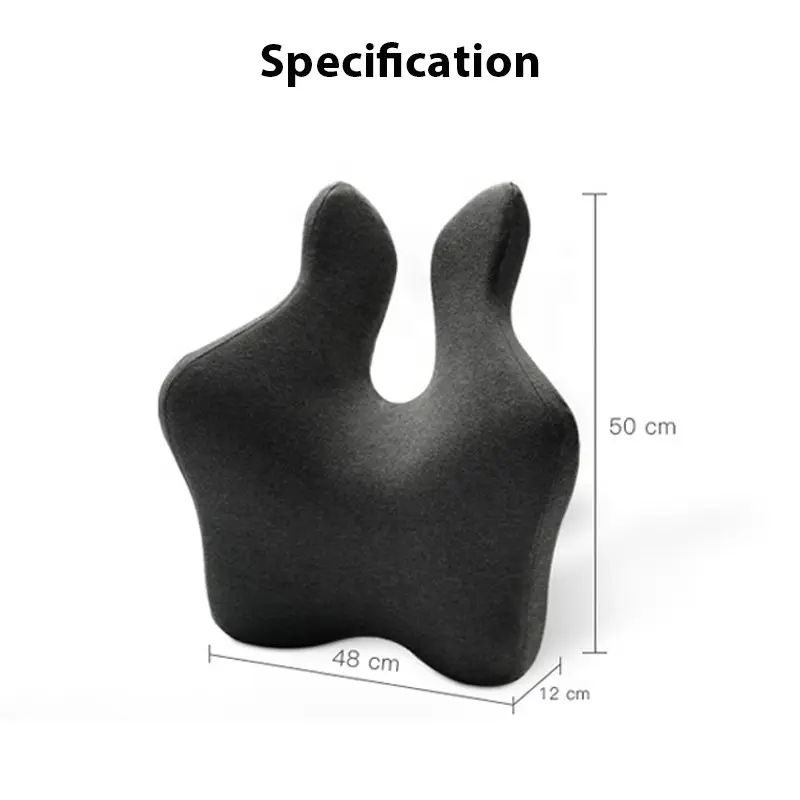
Manajemen persediaan tradisional untuk produk berbahan foam memori telah menjebak tak terhitung banyaknya perusahaan dalam siklus risiko kelebihan stok dan keterbatasan arus kas. Tantangan ini menjadi semakin nyata ketika menangani produk kecil berbahan foam memori khusus, di mana pola permintaan tidak dapat diprediksi dan biaya penyimpanan meningkat dengan cepat. Kekhawatiran terus-menerus ini mengenai pemeliharaan tingkat persediaan yang optimal sekaligus memenuhi harapan pelanggan telah mendorong banyak perusahaan untuk mencari pendekatan inovatif dalam rantai pasok yang menghilangkan unsur tebak-tebakan serta beban finansial dari sistem pemesanan massal tradisional.
Model rantai pasok berbasis batch kecil dengan respons cepat mewakili pergeseran revolusioner dari strategi pengadaan busa memori konvensional, memberikan peluang bagi perusahaan untuk merespons secara dinamis terhadap permintaan pasar tanpa risiko finansial akibat komitmen persediaan dalam jumlah besar. Pendekatan ini mengubah paradigma rantai pasok tradisional dengan mengutamakan fleksibilitas, kecepatan, dan ketepatan dibandingkan ekonomi skala, sehingga sangat cocok untuk produk busa memori berukuran kecil di mana kustomisasi dan respons pasar yang cepat merupakan keunggulan kompetitif yang krusial.
Memahami Revolusi Rantai Pasok Busa Memori Berbasis Batch Kecil
Melepaskan Diri dari Kendala Pemesanan Massal Tradisional
Pendekatan konvensional dalam pengadaan busa memori umumnya melibatkan kuantitas pemesanan minimum yang besar, sehingga memaksa perusahaan untuk mengalokasikan modal signifikan di muka sekaligus menerima risiko persediaan yang besar. Model ini menciptakan ketidaksesuaian mendasar antara permintaan pasar aktual dan keputusan pengadaan, yang berujung pada kehabisan stok selama periode permintaan puncak atau kelebihan persediaan dalam kondisi pasar yang lesu. Rantai pasokan dalam jumlah kecil menghilangkan ketidaksesuaian ini dengan memungkinkan perusahaan memesan secara tepat apa yang dibutuhkan, tepat ketika dibutuhkan, sehingga secara mendasar mengubah profil risiko busa memori produk bisnis.
Modern rantai pasokan busa memori dalam jumlah kecil sistem-sistem ini memanfaatkan teknologi manufaktur canggih dan jaringan logistik yang disederhanakan untuk mencapai kelayakan ekonomi pada volume pesanan yang lebih rendah. Transformasi ini dimungkinkan oleh peningkatan dalam teknologi pemotongan busa, sistem pengemasan otomatis, serta proses manufaktur just-in-time yang mengurangi hambatan biaya tradisional terkait produksi dalam jumlah kecil.
Ekonomi Kecepatan Dibanding Skala
Rantai pasok respons cepat mengutamakan waktu peluncuran ke pasar (time-to-market) dan perputaran persediaan dibandingkan optimisasi biaya per unit secara tradisional, sehingga menciptakan kerangka ekonomi yang sama sekali berbeda bagi bisnis busa memori. Meskipun biaya per unit mungkin sedikit lebih tinggi dalam skenario produksi batch kecil, total biaya kepemilikan (total cost of ownership) sering kali terbukti jauh lebih rendah bila memperhitungkan biaya penyimpanan yang berkurang, risiko usang (obsolescence) yang lebih rendah, serta dinamika arus kas yang lebih baik. Perubahan ekonomi ini memiliki implikasi mendalam terhadap cara bisnis mengevaluasi kemitraan pemasok dan strategi pengadaan.
Keunggulan kecepatan dalam operasi rantai pasok busa memori berkapasitas kecil memungkinkan perusahaan memanfaatkan peluang pasar yang tidak mungkin diwujudkan di bawah model pengadaan tradisional. Perusahaan dapat menguji variasi produk baru, merespons fluktuasi permintaan musiman, serta menyesuaikan diri terhadap umpan balik pelanggan tanpa terkendala oleh penurunan stok persediaan yang ada. Kelincahan semacam ini menciptakan keunggulan kompetitif yang sering kali lebih besar dibandingkan kenaikan marginal biaya pengadaan per unit.
Arsitektur Operasional Rantai Pasok Busa Memori dengan Respons Cepat
Fleksibilitas Manufaktur dan Modularitas Produksi
Operasi rantai pasok busa memori yang sukses dalam jumlah kecil memerlukan mitra manufaktur yang telah berinvestasi dalam kapabilitas produksi fleksibel, yang mampu menangani ukuran pesanan dan spesifikasi produk yang bervariasi secara efisien. Hal ini umumnya melibatkan lini produksi modular yang dapat dengan cepat dikonfigurasi ulang untuk kepadatan busa berbeda, pola pemotongan berbeda, serta persyaratan penyelesaian akhir tanpa biaya persiapan yang biasanya terkait dengan pergantian produksi.
Fasilitas manufaktur busa canggih yang mendukung operasi dalam jumlah kecil sering kali memanfaatkan sistem pemotongan berbasis komputer dan peralatan penanganan otomatis yang menjaga standar kualitas konsisten, terlepas dari ukuran batch. Investasi teknologi ini memungkinkan pemasok menawarkan harga yang kompetitif untuk pesanan kecil sekaligus mempertahankan presisi dan konsistensi yang dituntut oleh aplikasi busa memori. Hasilnya adalah lingkungan produksi di mana ukuran batch menjadi kurang relevan terhadap hasil biaya maupun kualitas.
Integrasi Logistik dan Jaringan Distribusi
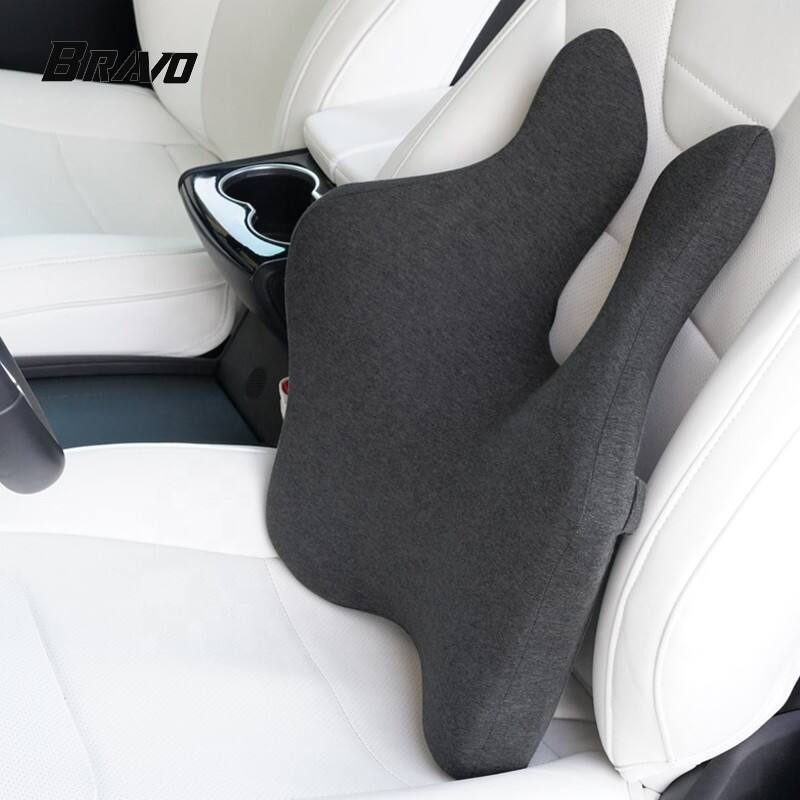
Sistem rantai pasok busa memori respons cepat dalam jumlah kecil sangat bergantung pada koordinasi logistik canggih yang mampu menggabungkan pesanan-pesanan kecil dari berbagai pelanggan guna mencapai efisiensi transportasi. Hal ini memerlukan jaringan distribusi yang dirancang untuk pengiriman frekuensi tinggi dalam jumlah kecil, bukan pengiriman besar berkala yang menjadi ciri khas rantai pasok massal tradisional. Mitra logistik modern telah mengembangkan strategi konsolidasi yang mempertahankan keuntungan ekonomis pengiriman truk penuh sekaligus memenuhi kebutuhan pesanan dalam jumlah kecil dari masing-masing pelanggan.
Integrasi sistem pelacakan dan komunikasi secara waktu nyata memungkinkan visibilitas yang belum pernah terjadi sebelumnya terhadap status pesanan dan jadwal pengiriman, sehingga memungkinkan perusahaan mengoordinasikan operasi internal mereka berdasarkan jadwal pengiriman yang presisi. Visibilitas ini mencakup seluruh rantai pasokan, mulai dari ketersediaan bahan baku hingga pengiriman akhir, menciptakan transparansi yang diperlukan untuk perencanaan permintaan yang efektif dalam lingkungan respons cepat.
Implementasi Strategis Pengadaan Busa Memori dalam Jumlah Kecil
Peramalan Permintaan dalam Lingkungan Rantai Pasok yang Tangkas
Keberhasilan rantai pasok busa memori dalam jumlah kecil memerlukan pergeseran mendasar dalam metodologi peramalan permintaan, yaitu beralih dari analisis tren jangka panjang ke pengenalan pola jangka pendek serta mekanisme respons cepat. Model peramalan tradisional yang berupaya memprediksi permintaan berbulan-bulan sebelumnya menjadi kurang relevan ketika rantai pasok mampu merespons dalam hitungan hari atau minggu. Sebagai gantinya, perusahaan harus mengembangkan kemampuan untuk mendeteksi sinyal pasar dan segera menerjemahkannya ke dalam tindakan pengadaan.
Paradigma peramalan baru ini menekankan prakiraan berjalan (rolling forecasts) yang diperbarui secara berkala berdasarkan data pasar nyata, alih-alih proyeksi statis yang mengandalkan tren historis. Waktu tunggu (lead times) yang lebih pendek—yang melekat dalam rantai pasok responsif cepat—memungkinkan perusahaan mengambil keputusan pengadaan berdasarkan informasi yang lebih mutakhir, sehingga mengurangi ketidakpastian yang mendorong kebutuhan stok pengaman (safety stock) tradisional. Perubahan mendasar dari prediksi menjadi reaksi ini mengubah manajemen persediaan dari upaya mitigasi risiko menjadi kapabilitas responsivitas terhadap pasar.
Manajemen Hubungan Pemasok untuk Ketangkasan
Membangun hubungan yang efektif dengan pemasok busa memori yang mampu mendukung operasi dalam jumlah kecil memerlukan pendekatan kemitraan yang berbeda dibandingkan hubungan pengadaan massal tradisional. Kemitraan semacam ini harus menekankan komunikasi, fleksibilitas, dan adaptasi bersama, bukan sekadar negosiasi untuk mencapai harga per unit terendah. Pemasok yang mampu mendukung operasi respons cepat memberikan nilai melalui kemampuan mereka menyesuaikan diri dengan pola permintaan yang bervariasi serta menyediakan waktu tunggu (lead time) yang andal dan singkat.
Kemitraan rantai pasok busa memori dalam jumlah kecil yang sukses sering kali melibatkan berbagi visibilitas permintaan dan intelijen pasar antara pelanggan dan pemasok, sehingga memungkinkan pemasok lebih baik mengantisipasi serta mempersiapkan kebutuhan pelanggan. Pendekatan kolaboratif ini membantu pemasok mengoptimalkan operasi mereka sendiri guna mencapai efisiensi produksi dalam jumlah kecil, sekaligus memberikan pelanggan waktu respons yang lebih andal dan ketersediaan kapasitas. Hasilnya adalah hubungan pasokan yang berfungsi lebih mirip perusahaan terintegrasi ketimbang transaksi tradisional antara vendor dan pelanggan.
Mengukur Keberhasilan dalam Rantai Pasok Busa Memori dengan Respons Cepat
Metrik Kinerja di Luar Biaya per Unit
Mengevaluasi efektivitas operasi rantai pasokan batch kecil memory foam memerlukan metrik yang mampu menangkap seluruh nilai proposisi terkait kelincahan dan ketanggapan, bukan hanya berfokus pada biaya pengadaan. Indikator kinerja utama harus mencakup tingkat perputaran persediaan, kecepatan pemenuhan pesanan, kemampuan merespons permintaan, serta optimalisasi arus kas. Metrik-metrik ini memberikan gambaran yang lebih lengkap mengenai kinerja rantai pasokan yang selaras dengan tujuan strategis operasi respons cepat.
Metrik biaya per-unit tradisional justru dapat bersifat kontraproduktif dalam lingkungan produksi small-batch karena gagal menangkap nilai yang dihasilkan dari penurunan biaya penyimpanan persediaan, peningkatan ketanggapan pasar, serta peningkatan kepuasan pelanggan. Perusahaan yang berhasil menerapkan strategi rantai pasok small-batch berbahan memory foam umumnya mengembangkan balanced scorecard yang memberikan bobot seimbang pada metrik kecepatan dan fleksibilitas bersama pertimbangan biaya, sehingga upaya optimalisasi mendukung tujuan bisnis secara keseluruhan alih-alih hanya target pengadaan sempit.
Manajemen Risiko dalam Sistem Pengadaan Agile
Meskipun rantai pasok berbasis batch kecil mengurangi risiko persediaan, pendekatan ini menciptakan profil risiko yang berbeda yang memerlukan strategi pengelolaan yang tepat. Ketergantungan yang meningkat terhadap keandalan pemasok dan koordinasi logistik berarti gangguan dapat berdampak lebih langsung dibandingkan pada sistem tradisional yang mengandalkan buffer besar. Operasi rantai pasok batch kecil untuk busa memori yang sukses umumnya mempertahankan hubungan dengan beberapa pemasok berkualifikasi serta memiliki rencana cadangan untuk peningkatan kapasitas secara cepat ketika pemasok utama mengalami kendala.
Jaminan kualitas menjadi semakin krusial dalam lingkungan respons cepat, di mana waktu yang tersedia untuk pemeriksaan dan perbaikan bahan cacat lebih terbatas. Hal ini mendorong kebutuhan akan pemasok yang memiliki sistem kualitas yang kokoh serta rekam jejak terbukti dalam menjaga konsistensi kinerja. Jadwal yang dipadatkan—yang menjadi ciri khas operasi berbatch kecil—menyisakan sedikit ruang bagi masalah kualitas, sehingga kualifikasi pemasok dan pemantauan kinerja berkelanjutannya menjadi komponen esensial dalam strategi manajemen risiko.
Evolusi Masa Depan Rantai Pasok Memory Foam Berbatch Kecil
Integrasi Teknologi dan Otomasi
Evolusi berkelanjutan dalam kemampuan rantai pasokan batch kecil untuk busa memori kemungkinan akan didorong oleh kemajuan lebih lanjut dalam teknologi otomatisasi dan integrasi digital. Penerapan kecerdasan buatan dan pembelajaran mesin mulai memungkinkan deteksi permintaan yang lebih canggih serta pengambilan keputusan pengadaan secara otomatis, sehingga mengurangi koordinasi manual yang diperlukan dalam operasi respons cepat. Teknologi-teknologi ini menjanjikan peningkatan efisiensi dan ketanggapan pengadaan batch kecil terhadap kondisi pasar.
Integrasi sensor Internet of Things dan analitik data waktu nyata di seluruh rantai pasok akan memberikan visibilitas yang belum pernah ada sebelumnya terhadap aliran material, parameter kualitas, serta sinyal permintaan. Visibilitas yang ditingkatkan ini memungkinkan waktu respons yang bahkan lebih cepat serta penyesuaian pasokan terhadap permintaan yang lebih presisi, sehingga semakin mengurangi kebutuhan persediaan yang secara tradisional dikaitkan dengan ketidakpastian permintaan. Hasilnya adalah rantai pasok yang beroperasi lebih mirip jaringan terkoordinasi daripada rangkaian proses berurutan.
Ekspansi Pasar dan Demokratisasi
Seiring dengan semakin meluasnya kapabilitas rantai pasok berbasis busa memori dalam jumlah kecil serta menjadi lebih hemat biaya, kapabilitas tersebut kemungkinan besar akan dapat diakses oleh usaha kecil yang sebelumnya tidak memiliki volume pembelian cukup besar untuk menegosiasikan ketentuan pasokan yang menguntungkan. Demokratisasi akses terhadap rantai pasok respons cepat ini akan menyamakan tingkat persaingan di pasar busa memori, sehingga memungkinkan inovasi dan spesialisasi oleh perusahaan-perusahaan yang dapat fokus pada pengembangan produk dan layanan pelanggan, alih-alih manajemen persediaan.
Perluasan kapabilitas produksi dalam jumlah kecil juga akan memungkinkan munculnya kategori produk baru dan segmen pasar baru yang memerlukan pembaruan produk secara berkala atau pilihan kustomisasi—yang secara ekonomis tidak layak dilakukan di bawah model pengadaan massal tradisional. Hal ini berpotensi mendorong inovasi signifikan dalam aplikasi busa memori, karena para pelaku usaha memperoleh kemampuan untuk bereksperimen dengan produk baru tanpa komitmen persediaan dalam jumlah besar.
Pertanyaan yang Sering Diajukan
Apa perbedaan biaya utama antara pengadaan busa memori dalam jumlah kecil dan pengadaan busa memori dalam jumlah besar secara tradisional?
Meskipun biaya per unit pada pengadaan dalam jumlah kecil dapat 10–20% lebih tinggi, total biaya kepemilikan (total cost of ownership) sering kali jauh lebih rendah karena biaya penyimpanan persediaan yang berkurang, risiko usang (obsolescence) yang lebih rendah, serta arus kas yang lebih baik. Perbedaan biaya yang tepat bergantung pada faktor-faktor seperti frekuensi pemesanan, kompleksitas produk, dan tingkat perputaran persediaan. Sebagian besar perusahaan menilai bahwa manfaat fleksibilitas melebihi kenaikan marginal pada biaya per unit.
Seberapa cepat rantai pasok busa memori dalam jumlah kecil biasanya dapat merespons pesanan?
Sistem rantai pasokan busa memori yang dirancang dengan baik dalam jumlah kecil biasanya dapat memenuhi pesanan dalam waktu 5–15 hari kerja, dibandingkan dengan 30–90 hari kerja untuk pesanan massal konvensional. Waktu respons bergantung pada tingkat kompleksitas produk, kapasitas pemasok, dan koordinasi logistik. Beberapa aplikasi khusus bahkan dapat mencapai waktu respons lebih cepat melalui penyimpanan bahan di lokasi strategis dan proses produksi yang disederhanakan.
Berapa kuantitas pemesanan minimum yang umumnya diperlukan untuk pengadaan busa memori dalam jumlah kecil?
Kuantitas pemesanan minimum dalam rantai pasokan busa memori berjumlah kecil umumnya berkisar antara 50–500 unit, tergantung pada produk spesifik dan kapabilitas pemasok. Jumlah ini merupakan penurunan signifikan dibandingkan kuantitas minimum konvensional yang sering kali mengharuskan ribuan unit. Beberapa pemasok yang mengkhususkan diri dalam operasi berjumlah kecil bahkan mampu melayani kuantitas lebih kecil lagi untuk aplikasi khusus atau pengujian awal produk.
Bagaimana perusahaan beralih dari pemesanan massal konvensional ke rantai pasokan berjumlah kecil?
Transisi yang sukses ke operasi rantai pasokan busa memori dalam jumlah kecil umumnya melibatkan pengurangan bertahap ukuran pesanan massal sambil membangun hubungan dengan pemasok yang fleksibel. Perusahaan harus mulai dengan mengidentifikasi produk-produk yang memiliki pola permintaan yang bervariasi serta menguji pengadaan dalam jumlah kecil untuk item-item tersebut, sambil tetap menerapkan pendekatan tradisional untuk produk-produk yang permintaannya stabil dan bervolume tinggi. Proses transisi ini biasanya memerlukan waktu 6–12 bulan untuk mengoptimalkan sepenuhnya sistem dan hubungan dengan pemasok.
Daftar Isi
- Memahami Revolusi Rantai Pasok Busa Memori Berbasis Batch Kecil
- Arsitektur Operasional Rantai Pasok Busa Memori dengan Respons Cepat
- Implementasi Strategis Pengadaan Busa Memori dalam Jumlah Kecil
- Mengukur Keberhasilan dalam Rantai Pasok Busa Memori dengan Respons Cepat
- Evolusi Masa Depan Rantai Pasok Memory Foam Berbatch Kecil
-
Pertanyaan yang Sering Diajukan
- Apa perbedaan biaya utama antara pengadaan busa memori dalam jumlah kecil dan pengadaan busa memori dalam jumlah besar secara tradisional?
- Seberapa cepat rantai pasok busa memori dalam jumlah kecil biasanya dapat merespons pesanan?
- Berapa kuantitas pemesanan minimum yang umumnya diperlukan untuk pengadaan busa memori dalam jumlah kecil?
- Bagaimana perusahaan beralih dari pemesanan massal konvensional ke rantai pasokan berjumlah kecil?