
 EN
EN



Understanding Comfort Materials in Modern Sleep Products
Memory Foam has become one of the most discussed materials in mattresses, pillows, and seating products over the past decades. Its unique pressure-relieving characteristics and body-conforming behavior have changed how consumers think about comfort and support. At the same time, Memory Foam is not a one-size-fits-all solution, and its performance varies depending on formulation, density, and usage environment. A clear understanding of Memory Foam pros and cons helps buyers make more confident, long-term decisions before investing in sleep or comfort products.
What Memory Foam Is and How It Works
Core Material Structure and Response Behavior
Memory Foam is a type of viscoelastic polyurethane foam designed to respond to heat and pressure. When weight is applied, Memory Foam softens and conforms to the body’s shape, distributing pressure more evenly across contact points. Once pressure is removed, the material slowly returns to its original form, which is why it is often described as having a “memory.”
This response behavior allows Memory Foam to adapt to different body shapes and sleeping positions. Unlike traditional foams that push back immediately, Memory Foam absorbs movement and molds gradually, creating a distinctive sinking sensation that many users associate with comfort and support.
Temperature Sensitivity and Adaptation
One defining feature of Memory Foam is its sensitivity to temperature. Warmer conditions make Memory Foam softer and more responsive, while cooler environments can cause it to feel firmer. This characteristic affects how the material performs throughout the night and across different climates.
For some users, this adaptive behavior enhances comfort by responding closely to body heat. For others, it may require an adjustment period, especially when moving from spring or latex-based sleep surfaces to Memory Foam products.
Key Advantages of Memory Foam
Pressure Relief and Body Contouring
One of the most recognized benefits of Memory Foam is pressure relief. By contouring to the body, Memory Foam reduces pressure on common stress points such as shoulders, hips, and lower back. This can improve comfort for side sleepers and individuals who experience joint sensitivity.
Even pressure distribution also supports better spinal alignment. When the body is properly supported, muscles can relax more fully, which may contribute to improved sleep quality and reduced morning stiffness.
Motion Isolation and Sleep Stability
Memory Foam excels at absorbing movement. When one person shifts position, the motion is less likely to transfer across the surface. This makes Memory Foam a popular choice for couples or light sleepers who are easily disturbed during the night.
The motion-dampening properties also enhance stability in adjustable beds and seating applications. Users often experience fewer disruptions, contributing to more continuous rest.
Potential Drawbacks of Memory Foam
Heat Retention and Thermal Comfort
Heat retention is one of the most commonly discussed drawbacks of Memory Foam. Because the material closely contours to the body, airflow can be reduced, potentially trapping heat. This may lead some users to feel warmer during sleep.
While certain formulations improve airflow or incorporate cooling features, the basic nature of Memory Foam still differs from more breathable materials. Thermal comfort can vary depending on room temperature, bedding choices, and personal sensitivity to heat.
Slow Response and Movement Resistance
The slow-response nature of Memory Foam can make movement feel more difficult for some users. Changing positions may require extra effort compared to more responsive surfaces. This sensation is sometimes described as feeling “stuck” or deeply cradled.
For sleepers who move frequently at night or prefer a buoyant feel, this characteristic may be less appealing. Understanding personal sleep habits is important when evaluating this aspect of Memory Foam.

Memory Foam Density and Performance Differences
Low-Density Versus High-Density Foam
Memory Foam density significantly affects durability and feel. Lower-density Memory Foam tends to feel softer initially but may compress more quickly over time. Higher-density Memory Foam offers greater support and longevity, maintaining its structure under repeated use.
Density also influences pressure relief and motion isolation. Higher-density options typically provide more consistent performance, though they may feel firmer at first. Buyers should consider density as a long-term investment factor rather than focusing only on initial comfort.
Impact on Durability and Lifespan
Durability is closely tied to material quality. Well-constructed Memory Foam can retain its shape and performance for years, while lower-quality foam may develop impressions or sagging. Usage patterns, body weight, and support layers all contribute to lifespan.
Understanding these variables helps set realistic expectations. Memory Foam products are not identical, and performance depends heavily on formulation and manufacturing standards.
Comfort Preferences and Sleep Positions
Suitability for Side, Back, and Combination Sleepers
Memory Foam often works well for side sleepers due to its pressure-relieving properties. The material cushions shoulders and hips while supporting spinal alignment. Back sleepers may also benefit from the contouring support, provided the firmness level is appropriate.
Combination sleepers may experience mixed results. While Memory Foam adapts to position changes, its slower response may feel restrictive for those who shift frequently throughout the night.
Body Weight and Firmness Perception
Body weight influences how Memory Foam feels. Lighter individuals may perceive Memory Foam as firmer, while heavier users may experience deeper contouring. This difference highlights the importance of matching firmness levels to body type.
Understanding how weight interacts with Memory Foam helps buyers avoid discomfort caused by selecting a product that does not align with their support needs.
Memory Foam in Different Product Applications
Mattresses and Toppers
In mattresses, Memory Foam is often layered with support foams to balance comfort and stability. Toppers made from Memory Foam provide an accessible way to modify the feel of an existing sleep surface without replacing the entire mattress.
These applications demonstrate the versatility of Memory Foam, allowing users to customize comfort levels based on personal preference.
Pillows and Seating Products
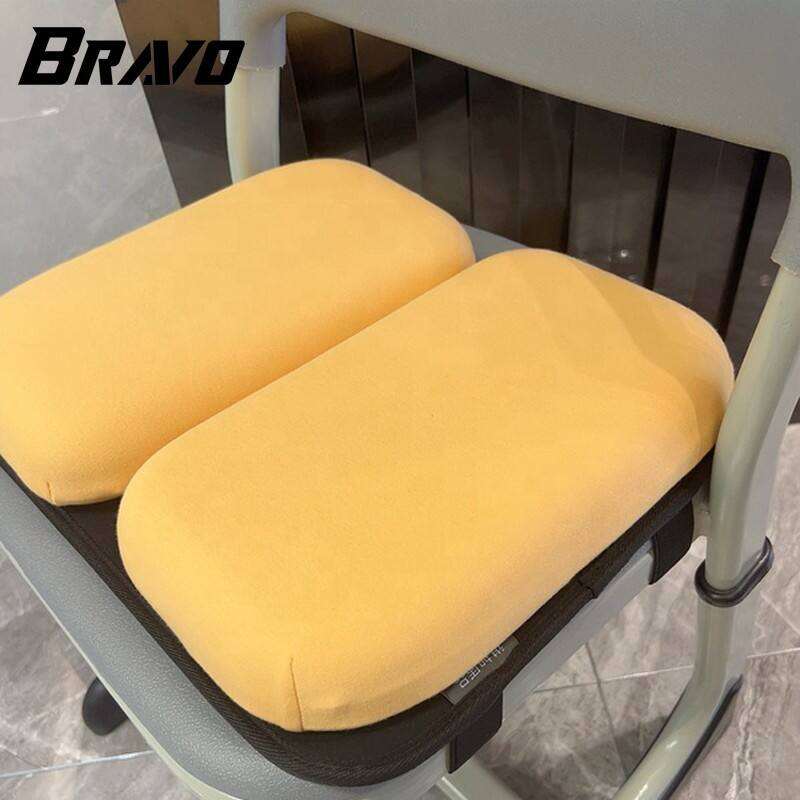
Memory Foam pillows adapt to head and neck contours, supporting cervical alignment. This can be beneficial for users seeking consistent support throughout the night. In seating products, Memory Foam enhances comfort by distributing weight evenly and reducing pressure points.
Different product applications highlight how Memory Foam properties can be optimized for specific uses beyond sleep.
Off-Gassing and Sensory Considerations
Initial Odor and Ventilation
New Memory Foam products may release a temporary odor known as off-gassing. This occurs as volatile compounds dissipate after unpacking. The intensity and duration vary depending on formulation and storage conditions.
Proper ventilation typically reduces odors within a few days. While off-gassing is generally not harmful, it can be noticeable and may concern sensitive users.
Sensory Adaptation Period
Memory Foam often requires an adjustment period. The feel differs from traditional materials, and users may need time to adapt. Initial impressions may change after several nights of use as the body becomes accustomed to the contouring effect.
Patience during this adaptation phase helps users better evaluate long-term comfort rather than judging based on first impressions alone.
Maintenance and Care of Memory Foam Products
Cleaning and Moisture Management
Memory Foam requires careful maintenance. Direct exposure to moisture should be avoided, as it can damage the foam structure. Removable covers and protective encasements help preserve hygiene and extend product life.
Spot cleaning is typically recommended rather than soaking. Proper care maintains the integrity and comfort properties of Memory Foam over time.
Long-Term Shape Retention
Regular rotation can help distribute wear evenly across Memory Foam mattresses and toppers. While the material is designed to recover its shape, consistent use in the same area may accelerate compression.
Following care guidelines supports consistent performance and prolongs usability.
Comparing Memory Foam to Other Comfort Materials
Responsiveness and Feel Differences
Compared to latex or traditional foam, Memory Foam offers a distinct slow-response feel. This characteristic appeals to users who enjoy deep contouring but may not suit those seeking bounce and immediate pushback.
Understanding these feel differences clarifies why Memory Foam elicits strong preferences, both positive and negative.
Noise and Structural Stability
Memory Foam is generally quiet, as it does not contain springs or mechanical components. This contributes to a calm sleep environment and enhances perceived quality.
Structural stability also depends on support layers beneath the Memory Foam. A well-designed foundation ensures consistent comfort and reduces premature wear.
Making an Informed Buying Decision
Evaluating Personal Comfort Priorities
Before buying, consumers should assess priorities such as pressure relief, temperature sensitivity, movement ease, and support needs. Memory Foam performs exceptionally in some areas while presenting trade-offs in others.
Clear self-assessment helps narrow options and avoid dissatisfaction caused by mismatched expectations.
Understanding Product Specifications
Specifications such as density, thickness, and layer composition provide valuable insight into performance. Rather than relying solely on marketing descriptions, reviewing technical details supports smarter purchasing decisions.
This approach aligns expectations with real-world performance, especially for long-term use.
FAQ
Memory Foam Suitability for Hot Sleepers
Memory Foam may feel warmer due to its contouring nature, but comfort varies by formulation and environment. Proper ventilation and bedding choices can influence thermal experience.
Break-In Period for Memory Foam Products
Many users experience a break-in period as Memory Foam softens slightly with use. Comfort perception often improves after consistent use over several nights.
Memory Foam Longevity Expectations
High-quality Memory Foam can maintain performance for several years when properly supported and maintained. Lifespan depends on density, usage, and care practices.
Table of Contents
- Understanding Comfort Materials in Modern Sleep Products
- What Memory Foam Is and How It Works
- Key Advantages of Memory Foam
- Potential Drawbacks of Memory Foam
- Memory Foam Density and Performance Differences
- Comfort Preferences and Sleep Positions
- Memory Foam in Different Product Applications
- Off-Gassing and Sensory Considerations
- Maintenance and Care of Memory Foam Products
- Comparing Memory Foam to Other Comfort Materials
- Making an Informed Buying Decision
- FAQ