
 EN
EN



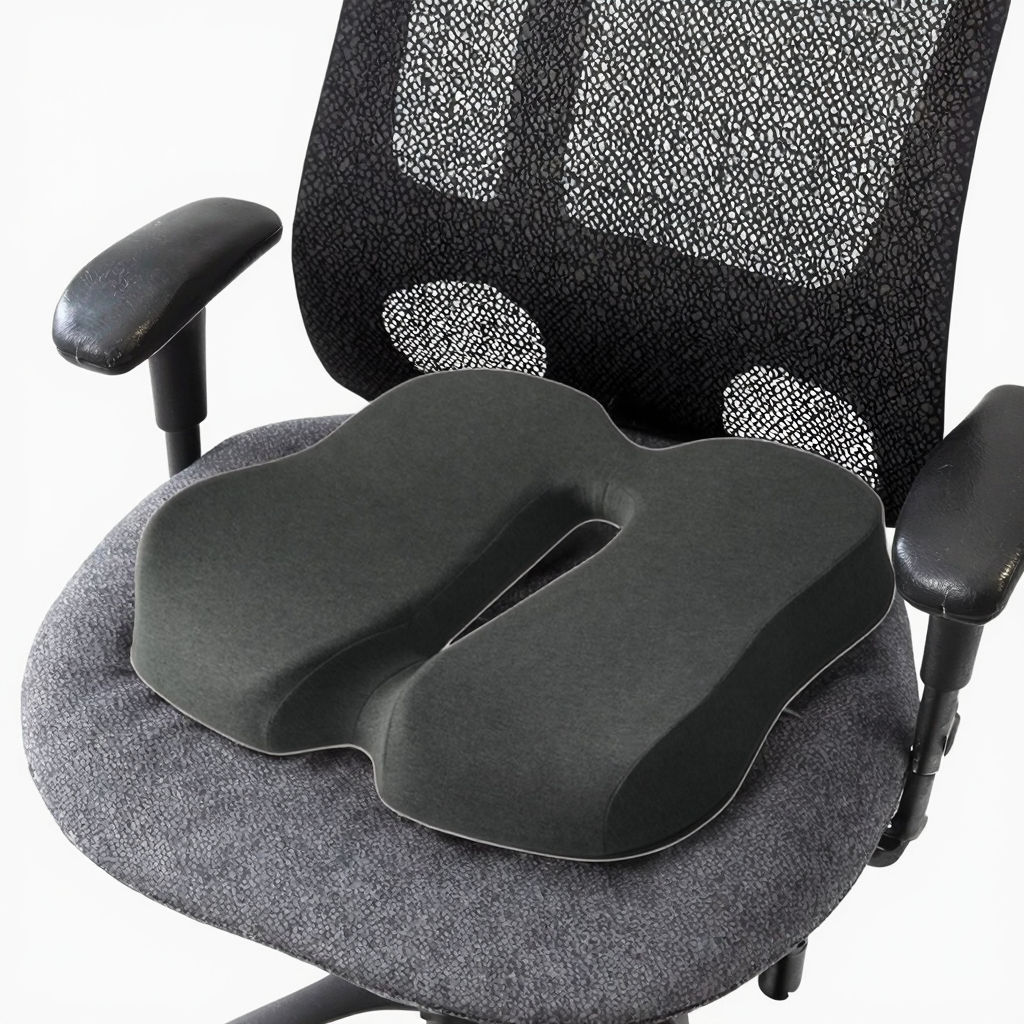
The global demand for sustainable and certified materials has transformed the memory foam industry, with OEKO-TEX certification emerging as a critical differentiator in B2B procurement strategies. As manufacturers and suppliers navigate increasingly complex supply chains, the integration of certified fabrics with memory foam products presents both opportunities and challenges for maintaining competitive pricing while meeting stringent compliance requirements. Understanding the strategic implications of OEKO-TEX certification in memory foam sourcing enables businesses to make informed decisions that balance quality, sustainability, and market positioning.
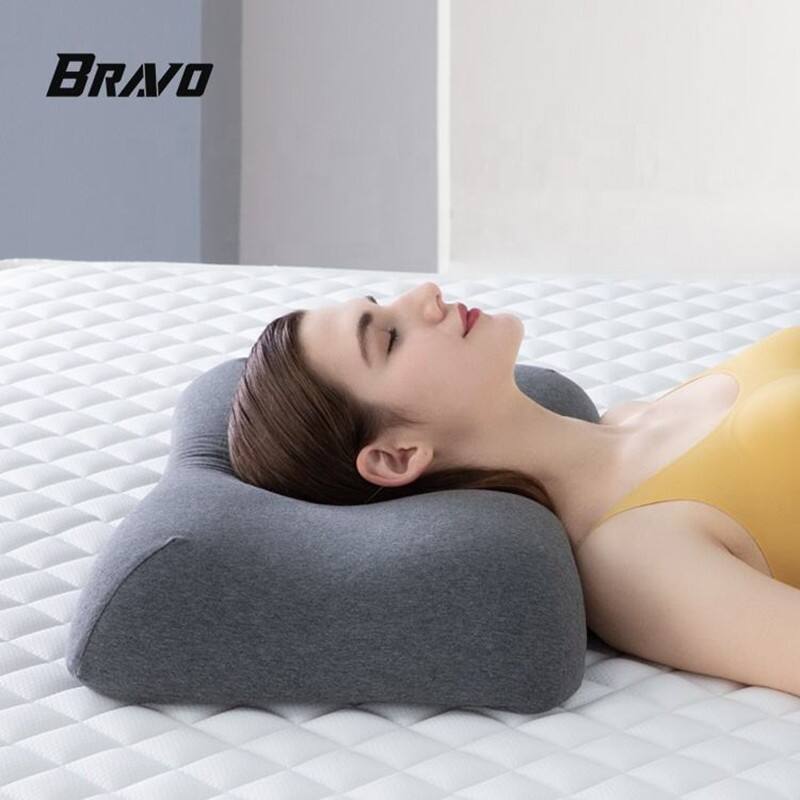
Memory foam manufacturing has evolved significantly over the past decade, with environmental consciousness driving substantial changes in production methodologies and material selection. The textile components used in memory foam products, including covers, casings, and integrated fabrics, now require careful consideration of their environmental impact and safety profiles. OEKO-TEX Standard 100 certification provides a comprehensive testing framework that ensures textile components meet strict human-ecological criteria, making it an essential consideration for memory foam manufacturers targeting premium market segments.
The certification process involves rigorous testing for harmful substances, including formaldehyde, heavy metals, pesticides, and other potentially dangerous chemicals that could affect end-user health and safety. For memory foam products, this certification extends beyond the foam core to encompass all textile elements that come into direct contact with users. The complexity of achieving and maintaining OEKO-TEX certification requires careful supplier selection, ongoing quality assurance protocols, and comprehensive documentation throughout the supply chain.
Understanding OEKO-TEX Certification Standards in Memory Foam Applications
Comprehensive Testing Requirements for Textile Components
OEKO-TEX Standard 100 testing encompasses over 100 harmful substances, creating a comprehensive safety net for memory foam products that incorporate certified textile elements. The testing methodology varies based on the intended use of the textile, with products designed for direct skin contact requiring the most stringent evaluation criteria. Memory foam pillows, mattresses, and cushions typically fall into Class I or Class II categories, depending on their specific application and user demographics.
The certification process requires extensive documentation of the textile manufacturing process, including raw material sourcing, dye selection, finishing treatments, and quality control measures. For memory foam manufacturers, this means establishing robust relationships with fabric suppliers who can consistently demonstrate compliance with OEKO-TEX standards. The annual renewal requirements ensure that certified materials maintain their safety profiles throughout their market lifecycle, providing ongoing assurance to both B2B buyers and end consumers.
Integration Challenges with Memory Foam Production Processes
Incorporating OEKO-TEX certified fabrics into memory foam production requires careful consideration of compatibility between textile treatments and foam chemistry. Certain finishing treatments used to achieve OEKO-TEX certification may affect the adhesion properties between fabric and memory foam, potentially impacting product durability and performance characteristics. Manufacturers must conduct thorough compatibility testing to ensure that certified fabrics maintain their protective and functional properties when integrated with memory foam systems.
Temperature stability represents another critical factor in the integration process, as memory foam products often undergo thermal cycling during use. OEKO-TEX certified fabrics must maintain their safety profiles and structural integrity across the operational temperature range of memory foam applications. This requirement necessitates careful selection of fabric treatments and dyes that remain stable under varying thermal conditions while preserving their certified status.
Premium Pricing Strategies for Certified Memory Foam Products
Value Proposition Development for B2B Markets
The premium pricing associated with OEKO-TEX certified memory foam products requires a well-articulated value proposition that clearly communicates the benefits to B2B buyers. Procurement professionals increasingly recognize that certified materials can reduce liability exposure, enhance brand reputation, and meet growing consumer demand for sustainable products. The premium typically ranges from 15-30% above non-certified alternatives, making it essential to justify this cost differential through tangible business benefits.
Market research indicates that B2B buyers in healthcare, hospitality, and premium furniture sectors are willing to pay higher prices for certified memory foam products when the certification directly addresses their specific compliance requirements or market positioning needs. The key lies in demonstrating how OEKO-TEX certification contributes to their downstream value creation, whether through enhanced product safety, regulatory compliance, or marketing differentiation.
Cost Structure Analysis and Margin Optimization
Effective pricing strategies for certified memory foam products require comprehensive analysis of the total cost structure, including certification fees, premium material costs, enhanced quality control procedures, and ongoing compliance monitoring. The certification process itself involves initial testing fees, annual renewal costs, and potential re-testing requirements if manufacturing processes or suppliers change. These costs must be carefully allocated across product lines to maintain competitive pricing while preserving profitability.
Margin optimization strategies often involve volume-based negotiations with certified fabric suppliers, streamlined quality control processes, and strategic product portfolio management. Some manufacturers achieve cost efficiencies by concentrating their certified fabric purchases with fewer suppliers, enabling better pricing terms while simplifying compliance management. Additionally, the premium pricing for certified products often provides higher absolute margins, offsetting the increased cost structure associated with certification maintenance.
Compliance Management in Certified Memory Foam Supply Chains
Documentation and Traceability Requirements
Maintaining OEKO-TEX certification requires comprehensive documentation systems that track certified materials throughout the Memory Foam production process. This documentation must include supplier certificates, material specifications, production records, and quality control test results that demonstrate ongoing compliance with certification standards. The traceability requirements extend from raw material sourcing through final product assembly, creating a complete chain of custody documentation.
Digital documentation systems have become essential tools for managing the complexity of certification compliance, enabling real-time tracking of certified materials and automated alerts for certificate renewals or supplier changes. These systems must interface with existing enterprise resource planning platforms to ensure seamless integration with production planning and quality assurance processes. The investment in robust documentation systems typically pays dividends through reduced compliance risks and improved operational efficiency.
Supplier Qualification and Ongoing Monitoring
Effective compliance management requires rigorous supplier qualification processes that evaluate not only current certification status but also the supplier's ability to maintain consistent compliance over time. This evaluation includes assessment of the supplier's quality management systems, testing capabilities, production processes, and track record of certification maintenance. Memory foam manufacturers often implement tiered supplier qualification systems that provide different levels of oversight based on risk assessment and strategic importance.
Ongoing monitoring programs typically include periodic audits, sample testing, and performance reviews that ensure certified suppliers continue to meet OEKO-TEX standards. These programs must be balanced against cost considerations and supplier relationship management objectives, as excessive monitoring can strain partnerships and increase procurement costs. The most effective monitoring programs focus on risk-based approaches that concentrate resources on high-risk suppliers or critical components.
Competitive Positioning Through Strategic Certification Use
Market Differentiation and Brand Positioning
OEKO-TEX certification provides memory foam manufacturers with powerful differentiation tools in increasingly competitive markets. The certification serves as third-party validation of product safety and environmental responsibility, supporting premium positioning strategies and enabling access to quality-conscious customer segments. Effective brand positioning leverages the certification as proof of commitment to user health and environmental stewardship, creating emotional connections with both B2B buyers and end consumers.
The strategic use of certification in marketing communications requires careful balance between technical credibility and accessible messaging. B2B buyers typically require detailed technical information about certification standards and testing protocols, while end consumer communications focus more on safety benefits and environmental responsibility. Memory foam manufacturers must develop multi-layered communication strategies that address the information needs of different stakeholder groups throughout the value chain.
Competitive Response Strategies
As OEKO-TEX certification becomes more prevalent in the memory foam industry, manufacturers must develop strategies for maintaining competitive advantage even as competitors achieve similar certifications. Advanced positioning strategies focus on complementary certifications, superior performance characteristics, or enhanced service offerings that create additional value beyond basic certification compliance. Some manufacturers pursue multiple certifications to create comprehensive sustainability profiles that are difficult for competitors to replicate quickly.
Competitive intelligence gathering becomes crucial for understanding how competitors are leveraging their certifications and identifying opportunities for improved positioning. This intelligence includes monitoring competitor pricing strategies, certification portfolios, marketing messages, and customer feedback to identify potential gaps or opportunities for enhanced differentiation. The most successful manufacturers treat certification as one element of broader competitive strategies rather than relying solely on certification for differentiation.
Order Competitiveness and Volume Considerations
Volume-Based Pricing Strategies
The premium pricing associated with certified memory foam products can impact order competitiveness, particularly in price-sensitive market segments or large-volume procurement situations. Successful manufacturers develop flexible pricing structures that maintain certification premiums while offering volume-based incentives that encourage larger orders. These structures often include tiered pricing that provides better unit costs for larger commitments, helping offset the certification premium through economy of scale benefits.
Strategic account management becomes particularly important when dealing with large-volume buyers who have significant negotiating power. These relationships often require customized pricing approaches that balance certification value with competitive market dynamics. Some manufacturers offer hybrid solutions that include both certified and non-certified options within the same order, allowing buyers to optimize their cost structures while maintaining certification for specific product lines or applications.
Supply Chain Efficiency and Lead Time Management
Maintaining order competitiveness with certified memory foam products requires efficient supply chain management that minimizes the additional lead times often associated with certification compliance. Certified fabric suppliers may have longer production cycles or limited inventory availability, potentially impacting overall product delivery schedules. Successful manufacturers implement supply chain strategies that include safety stock management, supplier diversification, and demand forecasting systems that accommodate the unique characteristics of certified material supply chains.
Lead time management strategies often involve strategic inventory positioning that balances carrying costs against the risk of stockouts or delivery delays. Some manufacturers maintain dedicated inventory pools of certified materials to ensure rapid response to customer orders, while others develop flexible production scheduling systems that can accommodate the unique timing requirements of certified material availability. The investment in supply chain efficiency typically produces returns through improved customer satisfaction and competitive positioning.
Implementation Strategies for Memory Foam Manufacturers
Phased Certification Adoption Approaches
Memory foam manufacturers often benefit from phased approaches to OEKO-TEX certification implementation that allow for gradual cost absorption and learning curve management. Initial phases typically focus on high-value product lines or specific market segments where certification premiums are most readily accepted. This approach enables manufacturers to develop internal expertise, refine compliance processes, and demonstrate market acceptance before expanding certification to broader product portfolios.
The phased approach also allows for careful evaluation of supplier performance and cost structures before making larger commitments to certified materials. Early phases provide valuable insights into customer response, competitive dynamics, and operational challenges that inform subsequent expansion decisions. Successful implementation often involves pilot programs with key customers who can provide feedback on certification value and market positioning effectiveness.
Technology Integration for Compliance Management
Modern compliance management increasingly relies on technology solutions that automate documentation, tracking, and reporting requirements associated with OEKO-TEX certification. These systems integrate with existing manufacturing execution systems, quality management platforms, and supply chain management tools to create comprehensive oversight of certified material usage. The technology investment typically includes barcode or RFID tracking systems, digital documentation platforms, and automated reporting tools that reduce manual compliance overhead.
Advanced technology implementations may include blockchain-based traceability systems that provide immutable records of certification compliance throughout the supply chain. These systems offer enhanced transparency for B2B buyers who require detailed provenance information for their own compliance or marketing purposes. The technology investment must be balanced against the scale of certification activities and the specific requirements of target customer segments.
FAQ
What are the typical cost increases associated with OEKO-TEX certified fabrics in memory foam products?
OEKO-TEX certified fabrics typically command a 15-30% premium over non-certified alternatives, though this varies based on fabric type, supplier, and volume commitments. For memory foam products, the overall cost impact depends on the proportion of certified fabric content relative to the total product cost structure. Manufacturers can often offset some of this premium through improved margins on finished products, as consumers and B2B buyers increasingly value certified materials. Volume purchasing agreements and long-term supplier partnerships can help reduce the premium over time.
How long does it take to implement OEKO-TEX certification across a memory foam product line?
Implementation timelines typically range from 6-18 months, depending on the complexity of the product portfolio and supply chain readiness. Initial certification testing takes 2-4 weeks, but preparation activities including supplier qualification, documentation system setup, and process modifications often require several months. Memory foam manufacturers should plan for additional time to train staff, establish compliance procedures, and potentially modify production processes to accommodate certified materials. Phased implementation approaches can reduce initial complexity and allow for learning curve management.
Which memory foam applications benefit most from OEKO-TEX certification?
Healthcare applications, premium bedding products, and children's products typically show the highest return on certification investment due to heightened safety concerns and regulatory requirements. Memory foam pillows and mattresses designed for direct skin contact benefit significantly from certification, as do products marketed in Europe where OEKO-TEX recognition is particularly strong. Hospitality industry applications also show strong demand for certified products, particularly in premium hotel segments where guest safety and brand reputation are paramount considerations.
How do B2B buyers evaluate the value of OEKO-TEX certified memory foam products?
B2B buyers typically evaluate certification value through risk reduction, regulatory compliance, and market positioning benefits rather than purely technical performance improvements. Procurement professionals consider liability exposure, brand reputation impact, and end-customer demands when assessing certification premiums. The evaluation process often includes total cost of ownership analysis that considers potential marketing benefits, regulatory compliance costs, and customer satisfaction improvements alongside the direct material cost premiums. Successful suppliers provide detailed value proposition documentation that quantifies these broader benefits beyond basic material specifications.
Table of Contents
- Understanding OEKO-TEX Certification Standards in Memory Foam Applications
- Premium Pricing Strategies for Certified Memory Foam Products
- Compliance Management in Certified Memory Foam Supply Chains
- Competitive Positioning Through Strategic Certification Use
- Order Competitiveness and Volume Considerations
- Implementation Strategies for Memory Foam Manufacturers
-
FAQ
- What are the typical cost increases associated with OEKO-TEX certified fabrics in memory foam products?
- How long does it take to implement OEKO-TEX certification across a memory foam product line?
- Which memory foam applications benefit most from OEKO-TEX certification?
- How do B2B buyers evaluate the value of OEKO-TEX certified memory foam products?