
 EN


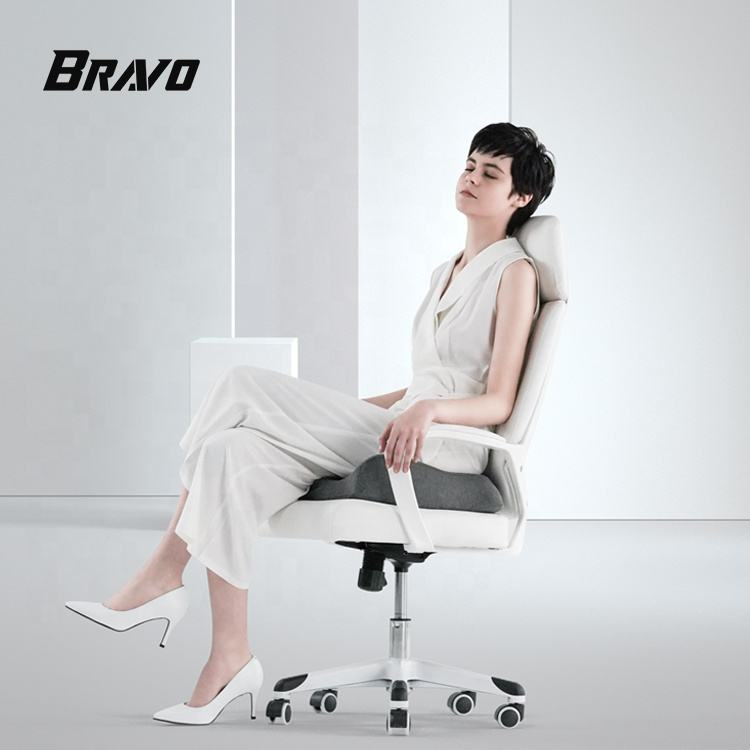
Choosing a supplier for custom back cushions means checking more than whether a factory can make a requested shape. The right partner should translate your users’ needs into clear ergonomic, material, and production requirements. Evaluate how the supplier handles design discussions, samples, consistency, and communication before committing, so custom back cushions suit the intended workplace or vehicle and can be produced reliably.

A practical selection process begins with a written use case, not a catalog image. Define who will use the product, where it will be installed, and what fit or support concerns it should address. With those details, you can ask each prospective supplier how it develops custom back cushions, what information it needs, and how it will confirm that a sample meets your expectations.
Set requirements before assessing suppliers
Specify users, settings, and fit
Start by describing the application: office seating, vehicle seats, or another defined environment. Note the seat dimensions, expected user range, posture needs, and whether the cushion must stay in place during movement. Suppliers can make more relevant recommendations for custom back cushions when they understand these conditions. Clear requirements also reduce the risk of approving a sample that looks suitable but feels wrong in daily use.
Translate preferences into observable criteria, such as cushion height, width, depth, contour, firmness, cover texture, and attachment method. For custom back cushions, explain which dimensions are fixed and where adjustment is acceptable. Include any constraints for storage, cleaning, packaging, or installation. A supplier should be able to restate these priorities and identify details that need clarification before design work proceeds.
Separate essential features from options
Not every requested feature has equal importance. Mark requirements as essential, preferred, or optional, then connect each one to a user need or operational constraint. This helps suppliers focus on the function of custom back cushions instead of adding features without a clear purpose. It also gives your team a consistent basis for reviewing proposals, samples, and later design changes.
Ask how proposed materials and construction choices relate to your brief. A supplier may discuss foam type, density, cover fabric, stitching, removable covers, or fastening approaches, but the decision should reflect intended use and care needs. For custom back cushions, request explanations in plain, testable terms. Avoid relying on broad labels such as premium or ergonomic without agreed criteria for what they mean.
Verify design and sampling capability
Review the supplier’s development process
A capable partner should explain the path from brief to approved sample, including who confirms dimensions, how feedback is recorded, and when specifications become fixed. Ask whether the supplier can adapt existing designs or develop a new profile. The process for custom back cushions should leave room to evaluate fit and comfort while keeping each revision documented, so decisions do not depend on memory or informal messages.
Discuss how a physical sample will be assessed in its real setting. A cushion may feel different on a particular seat than it does on a workbench, so identify the reviewers and test conditions in advance. For custom back cushions, record feedback on support location, pressure, stability, cover feel, and ease of installation. Agree on how many revision rounds are planned and how changes affect timing or cost.
Check materials and production controls
Ask the supplier to identify the proposed materials and explain how substitutions are handled. Cover composition, foam specifications, seams, and fastening details should be traceable to an approved specification. This matters because custom back cushions that appear similar can differ in feel, fit, and durability when components change. Agree that any material or construction change requires notice and approval before it reaches production.
Quality control should be described as a repeatable process, not just a final visual check. Ask what dimensions are measured, how appearance is reviewed, and how defects or deviations are recorded. For custom back cushions, request clear acceptance criteria for the sample and production units. You can also ask how the supplier separates approved stock, handles rework, and communicates issues that could affect delivery.
Assess production fit and working relationship
Match capacity to your order plan
Clarify the expected order size, forecast pattern, packaging needs, and delivery schedule before choosing a partner. Ask which stages are handled in-house and where the supplier depends on external processes. The goal is to understand whether its workflow suits your plan, not to assume that a stated capacity guarantees availability. Custom back cushions may require setup, material planning, or sampling time that should be included in the schedule.
Discuss how the supplier manages repeat orders and changes in demand. Confirm which specifications, drawings, and sample approvals will be retained, and how the team will identify the correct version for future production. These controls help custom back cushions remain consistent across batches. Request realistic lead-time assumptions, including the time required for approvals, material sourcing, production, inspection, and shipping preparation.
Evaluate communication and commercial clarity
A reliable working relationship depends on timely, precise communication. During early discussions, notice whether the supplier asks practical questions, flags unclear requirements, and provides direct answers about limitations. For custom back cushions, a responsive contact should be able to coordinate technical and commercial details without allowing key decisions to disappear in conversation. Agree on how updates, approvals, and escalations will be handled.
Compare quotations using the same specification and scope. Confirm what is included in sample fees, tooling or setup charges, packaging, inspection, and delivery, and identify any assumptions that could change the price. A lower quote is difficult to assess if it excludes important requirements. Ensure the offer for custom back cushions matches the approved design, materials, order quantity, and quality expectations rather than relying on a product name alone.
Make the decision with evidence
Before making a commitment, review the written brief, sample feedback, production controls, schedule, and quotation together. A supplier should be able to show how its proposed approach addresses your specific application and how it will preserve the approved details. Choose custom back cushions based on evidence that the partner understands the requirements, communicates constraints, and can manage the agreed process from sample through production.
A simple internal decision record can capture the reason for selection and unresolved risks. Note who approved fit, which materials were accepted, what inspection criteria apply, and who must authorize future revisions. This record supports smoother handoffs between procurement, product, and operations teams. It also gives both sides a shared reference when custom back cushions are reordered or when the use case changes.
FAQ
What information should I send a supplier first?
Provide the intended application, user needs, seat measurements, target dimensions, preferred materials, estimated quantity, and delivery expectations. Explain which elements are mandatory and which may be adjusted. This gives a supplier enough context to discuss custom back cushions meaningfully, identify missing information, and outline a suitable sampling process before you evaluate a formal proposal.
How should I judge a sample?
Assess it on the intended seat and, where practical, with representative users. Check fit, support location, stability, comfort over a realistic period, cover feel, and ease of installation or removal. Compare the sample with written requirements rather than relying on a general impression. Record findings so revisions to custom back cushions can be specific and consistently reviewed.
How can I reduce variation in repeat orders?
Approve a defined specification and reference sample, then agree on measurement and inspection criteria with the supplier. Require advance notice and approval for changes to materials, construction, or dimensions. Keep version-controlled records and confirm the production schedule for each order. These steps help custom back cushions stay aligned with the accepted design across future batches.